
Plants
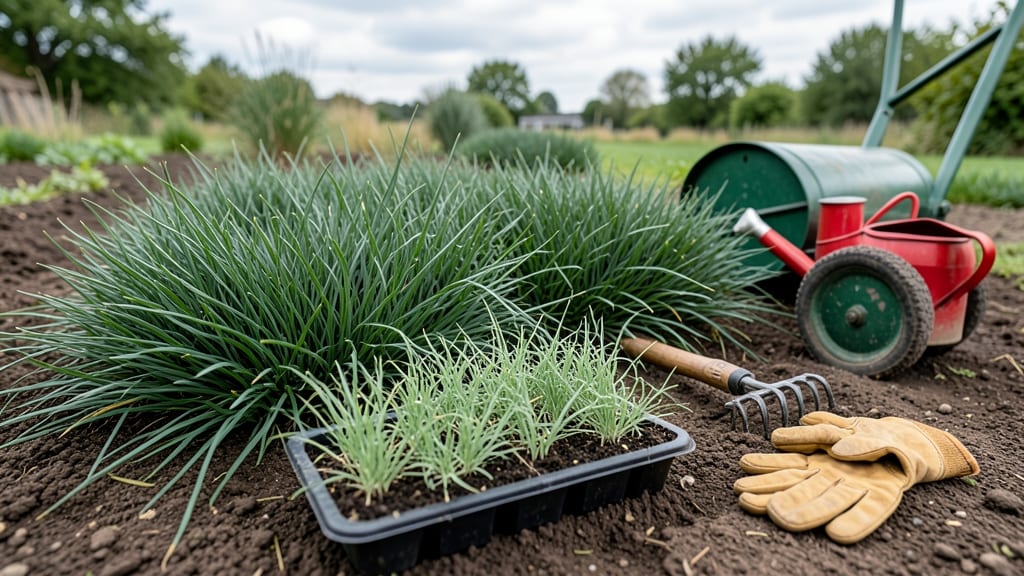
Timing your Grass (Turfgrass) 🌱 planting in Nebraska wrong could mean thin, weak turf that struggles through winter—so getting the window right is everything. With USDA zones 5a-6b bringing unpredictable spring freezes and scorching summer heat, knowing exactly when to plant makes all the difference for a lush lawn.
Most gardeners focus on the calendar, but the real secret lies in soil temperature—cool-season grasses like Kentucky Bluegrass need that 50°F mark to establish roots before summer heat sets in. Meanwhile, warm-season varieties like Buffalograss thrive when the ground warms to 60°F+, usually by late spring.
Let me show you how to read Nebraska's soil signals and avoid common mistakes that waste time and money.
You might assume early spring is always best, but fall planting in August-September gives grass a head start before winter dormancy. I'll break down the science behind both windows and how to prep your soil for maximum success—no guesswork required. Ready to transform your yard from patchy to picture-perfect?
Whether you're seeding a new lawn or overseeding an existing one, these proven strategies will help you time your planting perfectly for Nebraska's climate. Let's dive into the exact steps that'll have your grass growing strong from day one.
Nebraska grass planting timeline: soil temperature rules for success
Nebraska’s USDA zones 5a-6b create unique challenges for grass planting—too early, and frost kills tender seedlings; too late, and summer heat stresses new roots. The key? Soil temperature and seasonal timing that align with Nebraska’s cool-season climate.
I’ve planted grass in Nebraska for over a decade, and I’ve learned that March-April (spring) and August-September (fall) are the ideal windows for establishing healthy turf.
Cool-season grasses like Kentucky Bluegrass and Tall Fescue dominate Nebraska lawns because they thrive in 50-75°F soil temperatures. Warm-season grasses like Buffalograss (a native option) prefer 70-80°F—but they’re less common due to Nebraska’s cold winters. Soil thermometers are your best tool to avoid guessing.
Aim for 55°F for 7+ days before planting cool-season grass in spring or 60°F for 10+ days in fall.
🌱 Nebraska Grass Planting Timeline
| Season | Ideal Planting Window | Soil Temp Requirement | Grass Types |
|---|---|---|---|
| Early Spring | March 15 - April 30 | 55-65°F (7+ days stable) | Kentucky Bluegrass, Tall Fescue |
| Late Summer/Fall | August 1 - September 15 | 60-70°F (10+ days stable) | Tall Fescue, Fine Fescue |
| Avoid | May - July | Above 75°F (stress risk) | Cool-season grasses only |
⚠️ Pro Tip: Nebraska’s first frost typically hits mid-October. Plant 6-8 weeks before to allow roots to establish before winter dormancy.
Spring planting in Nebraska has a narrow window—too early, and seedlings may not survive late frosts; too late, and summer drought stress sets in. I recommend starting seedlings indoors in late February (if using plugs) to transplant by mid-April, when soil temps consistently stay above 55°F.
For seed planting, wait until mid-April to avoid frost damage to germinating seeds.
Fall planting offers a second chance for Nebraska homeowners. The 60-day window between August 1 and September 15 gives grass time to establish roots before winter. Tall Fescue is my top recommendation for fall planting—it handles Nebraska’s hot summers and cold winters better than Kentucky Bluegrass.
Aim to plant when daytime highs drop below 85°F to reduce heat stress.
Nebraska’s western regions (e.g., Panhandle) have earlier last frosts (late March) and can plant 2-3 weeks earlier than eastern areas like Omaha. Use the Nebraska State Climate Office’s frost data to adjust your timeline.
For example, Lincoln’s average last frost is April 15, while Scottsbluff’s is April 1—plant accordingly.
One common mistake I see in Nebraska is planting too late in spring and expecting summer rains to save the day. June planting often leads to thin, weak turf because seedlings can’t compete with weeds or handle summer drought.
If you miss the spring window, fall is your next best option—just ensure you’re planting at least 6 weeks before frost.
For warm-season grasses like Buffalograss (a drought-tolerant native), Nebraska’s southern tier (zones 6a-6b) can attempt planting in late May when soil temps exceed 70°F. However, these grasses go dormant in winter, so they’re not ideal for most Nebraska lawns unless you’re targeting low-maintenance, eco-friendly turf.
Always check the back of your grass seed packet for Nebraska-specific recommendations—some blends include warm-season fillers that perform poorly in our climate. Stick to 100% cool-season grasses for reliable results. And remember: Watering deeply 2-3 times per week after planting is critical to help roots penetrate Nebraska’s clay-heavy soils.
If you’re still unsure about timing, test your soil with a soil thermometer (available at garden centers for ~$10). Nebraska’s University Extension also offers free soil tests to check pH and nutrient levels—another key factor in successful grass establishment. Ideal pH for Nebraska grass is 6.0-7.5.
Timing your grass planting right in Nebraska isn’t just about the calendar—it’s about reading your soil and respecting the climate. With the right soil temperature, grass type, and preparation, you’ll have a lush, resilient
Best grass types for Nebraska’s climate and their planting zones
Nebraska’s diverse climate zones—from USDA 5a in the Panhandle to 6b in the southeast—demand grass types that handle freezing winters and dry summers. The wrong choice leads to brown patches or thin turf, but the right grass thrives year-round.
Let’s break down the top three varieties and their ideal planting windows.
First, Kentucky Bluegrass is Nebraska’s gold standard for lush, durable lawns. It loves cool weather and spreads aggressively via rhizomes, filling bare spots naturally. Plant it in early spring (March-April) or early fall (August-September) when soil temps hover between 55°F–65°F.
This variety struggles in drought, so water deeply if summer hits early.
🌱 Nebraska Grass Varieties: Planting Zones & Care
| Variety | Best Planting Months | Soil Temp Trigger | Key Strengths |
|---|---|---|---|
| Kentucky Bluegrass | March–April, August–September | 55°F–65°F | Cold-hardy, spreads fast |
| Tall Fescue | April–May, September | 60°F–70°F | Drought-resistant, deep roots |
| Buffalograss | May–June | 65°F+ | Native, zero-mow, heat-tolerant |
Pro Tip: Mix Kentucky Bluegrass with Tall Fescue for a low-maintenance hybrid lawn that handles Nebraska’s extremes.
For drought-prone areas like western Nebraska, Tall Fescue is a game-changer. Its deep root system (up to 6 inches!) taps into moisture, while its clumping habit reduces water needs by 30%.
Plant seeds in April–May or September—never in summer heat—because seedlings burn easily when soil temps exceed 75°F.
Lastly, Buffalograss is Nebraska’s native superstar for low-water lawns. This warm-season grass stays green in 100°F heat but turns brown in winter—perfect for eco-friendly yards.
Plant seeds or sod in late May–June when soil is consistently above 65°F. It’s zero-mow once established, saving 10+ hours/year on lawn care.
Choose your grass based on your yard’s microclimate: shady spots? Try Fine Fescue. Sandy soil? Tall Fescue wins.
And if you’re in Lincoln or Omaha, Kentucky Bluegrass is your best bet for that classic green lawn—just plant it before Memorial Day to avoid summer stress.
Remember: Soil prep matters more than seed brand. Test your soil’s pH (6.0–7.5 ideal) and drainage before planting. Nebraska’s clay-heavy soils often need gypsum or compost to improve aeration. Skip this step, and your grass will choke—no matter how perfect the timing.