
Plants
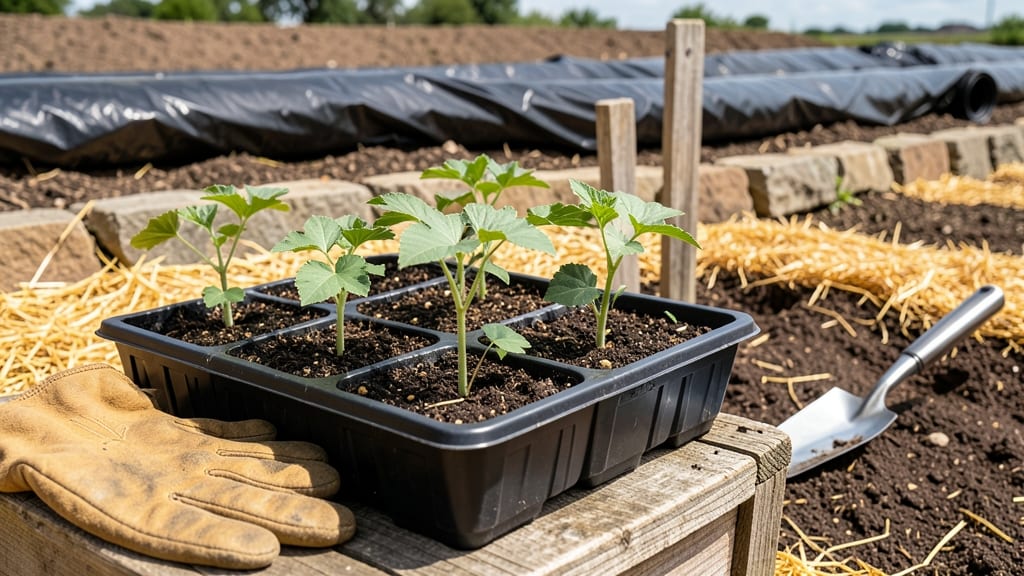
Knowing when to plant cantaloupe in Alabama can mean the difference between a bountiful harvest and wasted effort. Alabama’s warm climate is perfect for growing sweet, juicy 🍈 cantaloupes, but timing is critical to avoid frost damage or heat stress.
Most Alabama gardeners should plant cantaloupe seeds outdoors between mid-April and early June, once soil temperatures consistently reach 70°F or higher. This window ensures your vines have enough warmth to thrive without competing with early spring chill.
If you’re in USDA zones 7b-8b, like most of Alabama, you’ll want to start seeds directly in the garden—no need for indoor starts. The key is planting after the last frost date, which typically falls around March 15 in northern regions.
With the right timing, you could be harvesting ripe cantaloupes as early as July, just in time for summer’s peak heat. Let’s break down the exact steps to maximize your yield.
Alabama’s cantaloupe planting zones: heat zone deadlines by region
Cantaloupe thrives in Alabama’s heat, but timing your planting is critical to avoid frost damage or overheating. The state’s USDA Zones 7b-8b offer 210 frost-free days, but regional differences mean your last frost dates and soil warmth vary dramatically.
Let’s break down the ideal planting windows for North, Central, and South Alabama to ensure a bountiful harvest.
Your cantaloupe seeds need soil temperatures of 70°F+ to germinate. In Alabama, this typically aligns with mid-April to early June, but your exact planting deadline depends on where you live.
For example, Mobile’s coastal warmth lets you start earlier than Huntsville’s cooler highlands. Missing these windows risks slow growth or pest infestations from prolonged heat stress.
Here’s how to align your planting schedule with Alabama’s three key regions:
| Region | Last Frost Date | Ideal Planting Window | Soil Temp Threshold | Transplant Deadline |
|---|---|---|---|---|
| North Alabama (Birmingham/Huntsville) | April 15 | Mid-April to May 15 | 70°F+ (late April) | June 1 (heat tolerance) |
| Central Alabama (Montgomery) | March 30 | Late March to early May | 70°F+ (early April) | June 10 |
| South Alabama (Mobile) | March 15 | Early March to late April | 70°F+ (mid-March) | June 20 |
If you’re in North Alabama, wait until after April 15 to plant—earlier seeds risk frost damage or slow germination. In Central Alabama, you can start as early as late March, but soil warmth is your best guide: use a soil thermometer to confirm 70°F+.
For South Alabama, early March plantings are safe, but heat stress becomes a risk by mid-June, so prioritize shade cloth for young vines.
Pro tip: Direct-sow seeds after your last frost date—cantaloupe hates transplanting. Bury seeds 1 inch deep in well-draining soil and space them 3-5 feet apart to give vines room to spread.
If you’re starting indoors, begin seeds 3-4 weeks before your region’s last frost date in biodegradable pots to avoid root disturbance.
For maximum yield, aim to harvest before July’s peak heat. Cantaloupes need 75-90 days to mature, so late May plantings in North Alabama or early April plantings in South Alabama align perfectly with July-September harvests.
Miss this window, and you’ll face overripe fruit or pests like cucumber beetles thriving in stressed vines.
Use black plastic mulch to warm soil faster in cooler regions, or row covers to protect young plants from late spring frosts. In urban areas, heat islands can push soil temps up earlier—monitor closely!
The key is balancing frost risk and heat tolerance for healthy vines and sweet melons.
Remember: Cantaloupe thrives in heat, but extreme conditions (above 95°F) can stunt growth. Morning watering and drip irrigation help maintain consistent moisture without stressing the plants. With the right planting timing, you’ll enjoy homegrown cantaloupe that’s sweeter and more flavorful than store-bought!
Alabama’s cantaloupe planting zones: heat zone deadlines by region
Alabama’s three distinct climate zones—North, Central, and South—dictate the perfect planting windows for cantaloupe.
In North Alabama (Birmingham area), where last frosts linger until mid-April, wait until soil reaches 70°F+ (usually late April). Central Alabama (Montgomery) gardeners can plant 2-3 weeks earlier, around early April, while South Alabama (Mobile) enjoys a 6-week head start, planting as early as late February.
These heat zone deadlines ensure your cantaloupe vines thrive without frost damage or heat stress.
For example, planting in North Alabama before May risks late spring frosts, while planting in South Alabama after early June may mean overly hot conditions that stunt growth. Transplanting seedlings (instead of direct sowing) can extend your window by 2-3 weeks in cooler zones.
| Region | Last Frost Date | Ideal Planting Window | Soil Temp Threshold | Harvest Window |
|---|---|---|---|---|
| North (Birmingham) | Mid-April | Late April–Early May | 70°F+ | July–Early August |
| Central (Montgomery) | Early April | Early–Mid April | 70°F+ | Late June–August |
| South (Mobile) | Late March | Late February–Early April | 65°F+ | June–September |
For maximum yield, aim to transplant seedlings when they’re 3-4 weeks old and have 2-3 true leaves.
In North Alabama, this means starting seeds indoors by late March under grow lights. Central and South Alabama gardeners can direct-sow seeds as early as February (with row covers) or March (without). Black plastic mulch can warm soil 5-10°F faster, giving you an extra 2-week head start.
Miss the ideal window? Don’t panic! Succession planting works for cantaloupe—sow new seeds every 2 weeks until early June to stagger harvests through September.
Just ensure 100+ frost-free days remain for each batch. High-altitude areas like Huntsville may need to wait until mid-May due to cooler nights, while urban heat islands (like downtown Birmingham) can plant 1-2 weeks earlier thanks to warmer microclimates.
Pro tip: Use a soil thermometer to confirm 70°F+ soil temps before planting—cantaloupe won’t germinate in cooler soil. Slow germination (10+ days) is a red flag. Pre-warming soil with clear plastic sheeting for 1-2 weeks can help if temps lag. Test your soil’s pH too; cantaloupe thrives in 6.0-6.8 pH.
Timing isn’t just about avoiding frost—it’s about optimizing heat. Cantaloupe needs consistent 80°F+ days to sweeten properly.
Planting too early in North Alabama risks blossom-end rot from cool nights, while planting too late in South Alabama may lead to overly fibrous fruit from intense summer heat. Balance is key!