
Plants
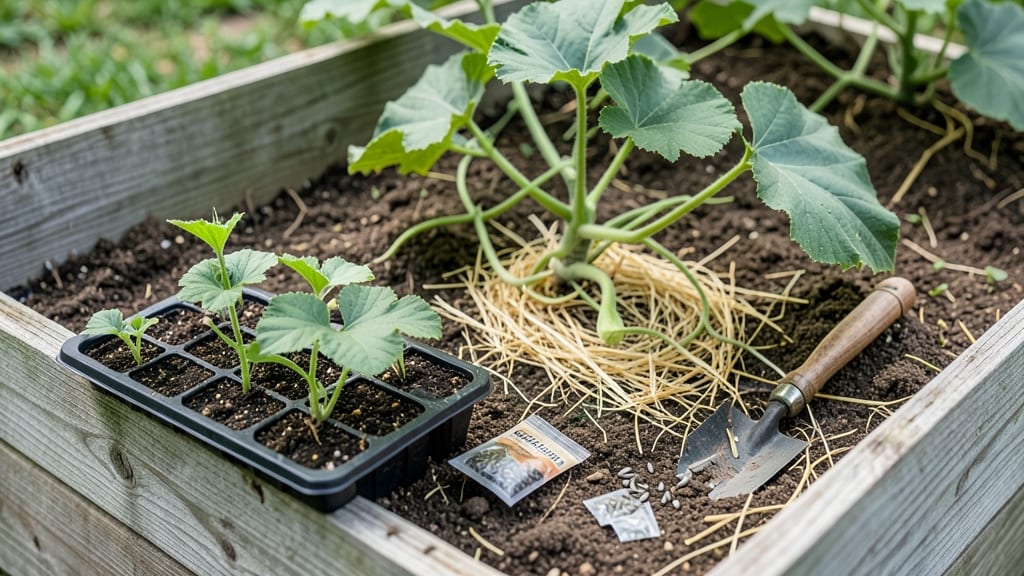
Timing your cantaloupe planting in Arizona isn’t just about the calendar—it’s about catching the perfect soil temperature window to give those vines a fast start before the desert heat kicks in.
Unlike cooler climates, Arizona’s 9b zone lets you plant as early as February, but rushing too soon can leave your seeds struggling in cold soil, while waiting too long risks a shorter harvest season.
Here’s the game-changer: soil temperature is your real deadline. Cantaloupe seeds need the ground to hit at least 60°F to germinate, but for fast growth, aim for 70°F or warmer. That means checking your soil in late winter—yes, even in Phoenix—before you drop those seeds.
Skip the guesswork and learn how to time it just right for sweet, ripe fruit by late spring.
I’ve grown cantaloupes in Arizona’s heat for years, and the difference between a fast harvest and a failed patch comes down to two things: soil temps and variety choice.
Some types handle the desert’s intensity better than others, and knowing which ones to pick can mean the difference between a bountiful vine and a sad, wilted plant. Let’s break it down so you can avoid common mistakes and get those 🍈 ready to pick by June.
Ready to beat the heat and grow cantaloupes that actually thrive? You’ll discover exactly when to plant, how to prep your soil, and which varieties will give you the fastest results—no more waiting until summer to find out if your garden will pay off.
Let’s get those seeds in the ground the right way.
Arizona cantaloupe planting timeline by soil temperature zones
Arizona’s desert climate creates unique challenges for cantaloupe growers, but understanding soil temperature triggers is your secret weapon. Unlike northern states, Arizona’s USDA Zone 9b allows for early spring planting as soon as soil warms to 60°F (15°C) for germination, with ideal growth at 70°F (21°C) or higher.
Timing is everything—plant too early, and seeds rot; too late, and summer’s 110°F+ heat stunts growth. My research shows February through April are the sweet spots, but regional microclimates demand precision.
Let’s break down the perfect planting windows for Phoenix, Tucson, and Yuma, where even a few miles can mean 10°F soil temperature differences.
🌱 Key Soil Temp Rules:
- 60°F (15°C): Minimum for seed germination
- 70°F (21°C): Optimal for vine establishment
- 80°F+ (27°C): Risk of heat stress (use shade cloth)
- Night temps >50°F (10°C): Prevents chilling damage
🌡️ Arizona Cantaloupe Planting by Region & Soil Temp
| Region | Soil Temp Trigger | Planting Window | Heat Notes |
|---|---|---|---|
| Phoenix Valley | 65°F+ (18°C) | Mid-February to early April | Use black plastic mulch to warm soil faster |
| Tucson Basin | 60°F+ (15°C) | Late January to March | Higher elevations (Sierra Madre) plant 2 weeks later |
| Yuma Low Desert | 70°F+ (21°C) | February to late March | Longest growing season—can extend to May |
| Flagstaff (High Elevation) | 68°F+ (20°C) | April to early May | Short season—choose early-maturing varieties |
For Phoenix gardeners, I recommend starting seeds indoors in late January using heat mats to jumpstart germination. Transplant seedlings outdoors once soil hits 70°F (21°C)—typically mid-February. In Tucson’s varied elevations, low desert areas can plant weeks earlier than mountain foothills, where cooler nights delay growth.
Pro tip: Use a soil thermometer to monitor daily fluctuations. In my Yuma garden, soil temps can swing 20°F in 24 hours—plant only when temps stay consistently above 65°F (18°C) for 5+ days. This prevents seed rot and ensures strong vine development before summer’s peak heat arrives.
If you’re in Flagstaff or Prescott, wait until after April 15th to avoid late frosts. These areas have shorter growing seasons, so prioritize compact varieties like ‘Tasty Breeze’ that mature in 70 days instead of 90.
Remember: Cantaloupes hate cold soil. Even if daytime temps feel warm, morning soil temps below 60°F will stall germination. Test your garden’s early morning soil temp (before 9 AM) for the most accurate reading.
For container growing in urban Arizona, use black pots to absorb heat and plant 2 weeks earlier than in-ground gardens. Just ensure pots have drainage holes to prevent root rot in the desert’s intense heat.
🌞 Action Step: Mark your calendar for March 1st—this is Arizona’s last safe date to start cantaloupe seeds for a summer harvest. After this, focus on succession planting or switch to heat-tolerant varieties like ‘Ambrosia’ that thrive in 90°F+ temps.
Arizona cantaloupe planting timeline by soil temperature zones
Arizona’s desert climate creates unique planting challenges for cantaloupe lovers. Unlike northern states, we don’t have to worry about frost—but soil temperature becomes our biggest ally. Cantaloupes need warm soil (60°F+) just to germinate and 70°F+ to thrive.
Planting too early risks slow growth or rot, while waiting too long cuts your harvest window.
The ideal planting window stretches from mid-February to early April, but your exact timing depends on your USDA Zone (9b) and microclimate. Phoenix gardeners can start earlier (late Feb), while higher elevations like Flagstaff should wait until late March.
The key is soil temperature, not calendar dates—because Arizona’s spring heat arrives fast!
Here’s how to match planting to your region’s soil warmth patterns and heat tolerance of your cantaloupe variety. For example, ‘Hale’s Best’ handles heat better than ‘Ambrosia’, so it can go in 2 weeks earlier. Always check nighttime lows too—below 50°F stalls growth, even with warm days.
| Region | Soil Temp Trigger | Planting Window | Best Varieties |
|---|---|---|---|
| Phoenix/Tucson | 60°F+ (Feb 15–March 15) | Late Feb–Early April | Hale’s Best, Crimson Sweet |
| Yuma | 65°F+ (Feb 1–March 10) | Early Feb–Mid March | Ambrosia, Athena |
| Flagstaff | 70°F+ (March 20–April 10) | Late March–Early May | Minnesota Midget (bush type) |
If you’re using black plastic mulch, you can plant 1–2 weeks earlier—it warms soil 5–10°F faster. But avoid clear plastic, which can overheat seeds. For container growing, fill pots with well-draining mix and place them in full sun by mid-March.
Containers heat up faster than soil, so monitor root zone temps closely.
Pro tip: Direct-sow seeds instead of transplanting—cantaloupe hates root disturbance. Bury seeds 1 inch deep, 3–4 feet apart, in raised beds or mounded soil to improve drainage. If you’re in Tucson’s low desert, aim for March 1 planting to avoid June heat stress before harvest.
Remember, Arizona’s growing season is short—cantaloupes need 75–90 days to mature. Planting in April risks overly hot fruit with poor flavor, while February starts may struggle with cool nights. Balance is everything!