
Plants
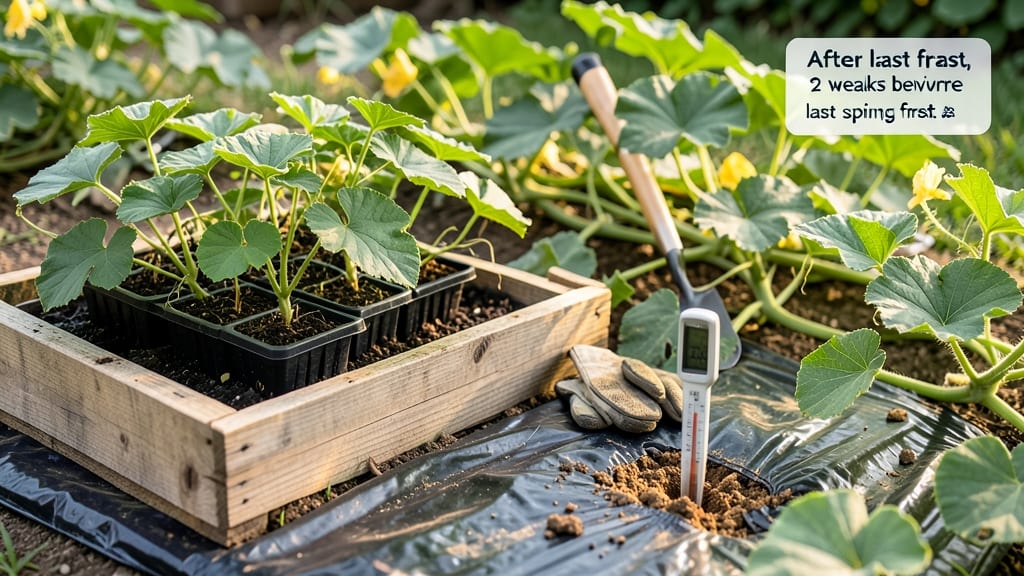
If you’ve ever planted cantaloupe in Arkansas only to watch your seedlings wilt in cool soil or your vines struggle through a short summer, you’re not alone. The perfect timing for planting 🍈 depends on more than just the calendar—it’s about heat zones, frost risk, and soil temperature.
Get this wrong, and you’ll miss the sweet harvest window entirely.
Most Arkansas gardeners know the broad rule: wait until after the last frost, but that’s not enough. Your cantaloupe needs soil that’s at least 70°F and night temperatures consistently above 55°F—or your plants will languish.
In zones 7a-8b, that means aiming for mid-April to early May, but regional microclimates (like the cooler Ozarks vs. the warmer Delta) can shift your window by weeks.
Here’s the game-changer: I’ll break down the exact planting windows for your corner of Arkansas, including how to stretch your season with row covers or cold frames.
Whether you’re a first-timer or a veteran gardener, these tips will help you avoid the #1 mistake that kills cantaloupe yields in the state.
Ready to turn your garden into a cantaloupe goldmine? Let’s dive into the heat zone timeline that’ll give you zero frost risk and a bumper crop by July.
Arkansas cantaloupe planting dates by heat zone (with frost risk charts)
Cantaloupes thrive in Arkansas’ long, hot summers—but only if you plant them at the perfect time. The key is waiting until soil temperatures hit 70°F+ and nighttime lows stay above 55°F.
In northern Arkansas (USDA Zone 6b-7a), this usually means mid-April to early May, while southern Arkansas (Zones 7b-8a) can start as early as late March. Miss this window, and you risk frost damage or underripe fruit before fall’s first chill.
Arkansas’ last frost dates vary wildly: March 15 in the Ozarks (Zone 6b) vs. February 28 in the Delta (Zone 8a). But don’t rush—cantaloupes hate cold soil. Use a soil thermometer to confirm readiness; anything below 65°F will stunt growth.
Pro tip: Black plastic mulch warms soil faster, giving you a 1-2 week head start in cooler zones.
Here’s your heat zone breakdown, including frost risk timelines and ideal planting windows tailored to Arkansas’ microclimates:
For direct sowing (planting seeds outdoors), Arkansas gardeners should aim for April 15–May 1 in most regions. But if you’re starting seeds indoors, begin 4–6 weeks before your last frost date (e.g., late February for southern Arkansas, early March for the north).
Use biodegradable pots to avoid root disturbance when transplanting.
Northern Arkansas (Zones 6b-7a) faces the highest frost risk. If you plant in early April, cover seedlings with floating row covers until soil warms. In contrast, southern Arkansas (Zones 7b-8a) can push planting to early April with minimal risk—just monitor humidity spikes, which can encourage powdery mildew in warm, moist conditions.
Cantaloupes need 75–90 days to mature, so late May plantings in northern Arkansas may not yield ripe fruit before fall’s first frost (typically November 15).
For a second harvest, try succession planting in early June, but prioritize fast-maturing varieties like ‘Athena’ (70 days) or ‘Hale’s Best’ (80 days) for cooler microclimates.
Pro move: Check Arkansas Cooperative Extension Service frost maps for your exact county. For example, Fayetteville (Zone 7a) averages a last frost on March 15, while Little Rock (Zone 7b) sees frost-free soil by March 1. Adjust your timeline by 7–10 days if your area runs warmer or cooler than the norm.
Once planted, cantaloupes love heat—80°F+ days speed up ripening. But avoid planting after June 15 in northern Arkansas; the growing season is too short for full maturity.
In southern Arkansas, you can extend to early July for a late-summer crop, but watch for late-season pests like cucumber beetles.
🌱
How to extend your cantaloupe season in Arkansas (cold frames, row covers & succession planting)
Arkansas’ short growing season and unpredictable spring frosts can make cantaloupe planting feel like a gamble. But with smart extensions, you can push your planting window 3-4 weeks earlier or even squeeze in a late-summer harvest. The key? Protecting tender seedlings from late frosts and maximizing soil warmth.
For northern Arkansas (USDA Zone 6b-7a), a cold frame or mini greenhouse lets you start seeds 4-6 weeks before your last frost date. Southern Arkansas (Zone 7b-8a) gardeners can use row covers to shield young plants from unexpected chilly snaps in May.
🌱 3 Proven Ways to Extend Your Cantaloupe Season
- 1. Cold Frames: Start seeds indoors 6 weeks early (Feb-March) and transplant after last frost. Use clear plastic lids to trap heat during daytime (remove at night to prevent overheating).
- 2. Row Covers: Lay floating fabric covers over seedlings to protect from 32°F+ temps. Remove when flowers appear to prevent heat stress.
- 3. Succession Planting: Sow new seeds every 2 weeks from April-June for staggered harvests. Southern Arkansas can try a late-July sowing for fall melons.
Don’t overlook soil warming hacks—black plastic mulch can raise soil temps by 10-15°F in just days. For Arkansas’ humid summers, pair mulch with drip irrigation to keep roots cool while preventing fungal diseases like powdery mildew.
Microclimates matter! Gardeners in the Arkansas Delta (warmer, flatter terrain) can plant 2 weeks earlier than those in the Ozark Mountains. Use a soil thermometer to confirm 70°F+ soil temps before planting—this is non-negotiable for cantaloupes.
For a second harvest, try succession planting in late June. Choose fast-maturing varieties like ‘Athena’ (65 days) or ‘Hale’s Best’ (75 days) to beat Arkansas’ first frost (typically mid-November). Just be prepared to harvest quickly—these melons won’t wait!
Pro tip: Pair cantaloupes with bush beans or radishes as companion plants. The beans fix nitrogen in the soil, while radishes deter pests—win-win for your extended-season garden! 🌱