
Plants
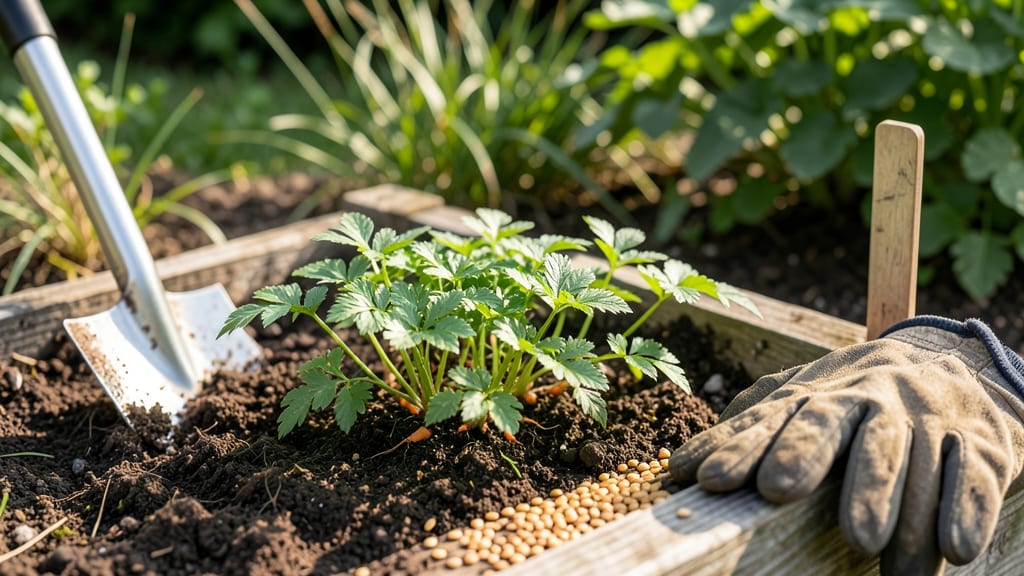
Georgia’s 3 microclimates & their exact carrot planting windows
Georgia’s diverse climate—from humid coastal regions to cooler mountain valleys—means one planting schedule doesn’t fit all. Carrots thrive in 55-75°F soil, but timing varies by USDA zones 7a-8b and microclimate. Here’s how to align your planting with Georgia’s three key regions to avoid bolting or frost damage.
Coastal Georgia (e.g., Savannah, Brunswick) has warmer winters and longer growing seasons, while the Piedmont (Atlanta area) faces earlier frosts. Mountain regions (Blue Ridge) can have shorter frost-free periods, requiring earlier starts.
Let’s break down the exact planting windows for each—plus how to adjust for unpredictable weather.
🌱 Key Insight: Carrots planted in soil below 50°F risk poor germination, while soil above 80°F triggers bolting (flowering). Georgia’s ideal window is when soil temps hover between 55-70°F.
| Region | USDA Zone | Last Frost Date | First Frost Date | Spring Planting Window | Fall Planting Window |
|---|---|---|---|---|---|
| Coastal (e.g., Savannah) | 8a-8b | Mid-February | Mid-November | Late Jan–Early Mar | Late Aug–Early Oct |
| Piedmont (e.g., Atlanta) | 7b-8a | Late February | Late October | Early Feb–Mid-Mar | Mid-Aug–Late Sep |
| Mountain (e.g., Blue Ridge) | 6b-7a | Early March | Early November | Mid-Mar–Early Apr | Late July–Mid-Sep |
🌡️ Pro Tip: Use a soil thermometer to confirm temps before planting. Coastal areas can plant 2 weeks earlier than Piedmont.
For coastal Georgia, start seeds indoors in late January for a March transplant, or direct-sow in February. The extended frost-free season lets you squeeze in two harvests: one in May-June and another in October-November.
In the Piedmont, where frosts linger longer, aim for February-March plantings. Use row covers if temps dip below 40°F at night. For fall crops, plant by mid-August to harvest before first frost.
Mountain gardeners should focus on short-season varieties like 'Early Nantes' or 'Paris Market'. Plant in March-April for summer harvests, and again in July for a fall crop before early frosts.
🌱 Soil Prep Matters: Carrots need loose, stone-free soil to grow straight. Work in 2-3 inches of compost and avoid fresh manure, which can cause forked roots. Test soil pH—carrots prefer 6.0-7.0.
If you’re unsure about your microclimate, check local frost dates from the Georgia Climate Project or use the Old Farmer’s Almanac. Adjust planting dates by 1-2 weeks based on historical trends in your area.
For bolting prevention, avoid planting after mid-June in most of Georgia. Instead, opt for shade cloth or succession planting in late summer for cooler soil temps. Next, we’ll cover how to stagger plantings for continuous harvests—no gaps!
How to stagger carrot plantings for continuous harvests in Georgia
Georgia’s long growing season lets you enjoy fresh carrots from spring through fall, but the key is succession planting. By spacing out your plantings every 3-4 weeks, you’ll avoid the dreaded summer bolting while ensuring a steady supply.
Start with spring sowings in February and March, then shift to late summer for fall harvests.
For spring crops, begin in late January to early February in the Piedmont and mid-February along the coast. Use row covers if nighttime temps dip below 40°F to protect tender seedlings. In the mountains, wait until late March when soil temps hit 50°F consistently.
Piedmont: 1st-15th
Piedmont/Mtn: 15th-31st
Piedmont: 15th-31st
After your initial planting, sow new seeds every 3 weeks until mid-April for spring crops. For fall harvests, begin in early August and continue through mid-September. This staggered approach ensures you’re always harvesting mature carrots while avoiding the heat stress of mid-summer planting.
Pro tip: Use shorter-day varieties like 'Paris Market' for fall plantings—they mature faster in cooler temps. Pair your carrots with onion sets or leeks to deter carrot flies while improving flavor. Space seeds ¼ inch apart and thin to 2-3 inches when seedlings are 3 inches tall.
Monitor soil moisture closely during dry spells, especially in sandy coastal soils that dry out quickly. Mulch with straw or shredded leaves to retain moisture and suppress weeds. With this method, you’ll enjoy harvests from May through November—no grocery store needed!