
Plants
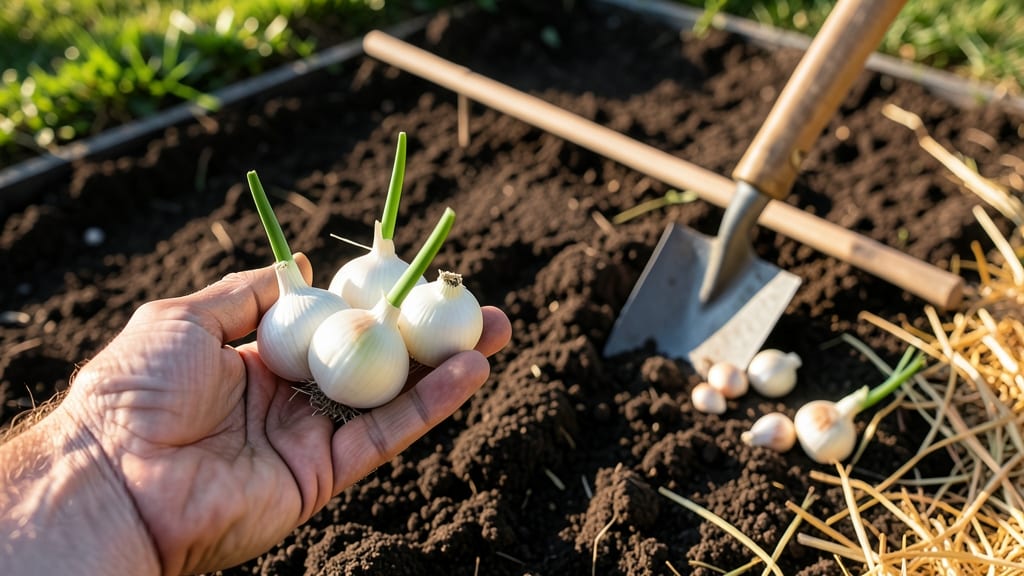
If you've ever planted 🧅 onion sets in Zone 5 only to watch them bolt or rot before harvest, you're not alone. The difference between a thriving crop and wasted effort often comes down to one critical timing window—and missing it can leave you scratching your head come summer.
Zone 5 gardeners face a unique challenge: frost dates that shift yearly, soil that warms unpredictably, and varieties that demand precision. Plant too early, and your onions might freeze. Too late, and they'll struggle to mature before heat sets in.
But here's the good news: with the right approach, you can lock in perfect planting dates that guarantee strong starts and bountiful harvests.
I'll break down exactly when to plant—whether you're aiming for a spring harvest or planning ahead for fall—plus how to adjust for your local microclimate. No more guesswork, just actionable timing that works for your garden.
Ready to turn your onion patch from "maybe" to "perfect"? Let's get started with the frost-date calculator method that's saved my crops year after year.
Zone 5 onion set planting dates: exact timing by frost timeline
Onion sets thrive in Zone 5 when planted during two key windows: early spring and late summer/early fall. These periods align with your region’s frost dates and soil temperatures, which are critical for successful germination and bulb formation.
In Zone 5, where the last frost typically arrives around mid-April and the first frost hits mid-October, timing is everything.
For spring planting, aim to get your onion sets in the ground 4-6 weeks before your last frost date. This usually lands between late March and early April.
Fall planting, on the other hand, should occur 8-10 weeks before your first frost, typically late August to early September. These windows ensure your onions mature before harsh weather sets in.
Soil temperature is just as important as calendar dates. Onion sets need soil that’s warmed to at least 40-50°F to sprout reliably. In Zone 5, this often happens in mid-to-late March, but cooler microclimates may require waiting until April.
Use a soil thermometer to confirm readiness—don’t rush planting if the ground is still chilly.
Your local microclimate plays a huge role. Urban areas or low-lying spots may experience frost 1-2 weeks later than rural zones. Check your USDA Plant Hardiness Zone Map and adjust planting dates accordingly.
For example, if your last frost is April 15, plant onion sets by March 25 for a head start.
Here’s a quick reference for Zone 5 gardeners: Spring-planted onions will be ready to harvest in mid-to-late summer, while fall-planted sets will mature the following year. Both strategies work, but spring planting is more common for home gardeners due to its shorter growing season.
🌱 Pro Tip: If you’re unsure about your frost dates, use the Old Farmer’s Almanac Frost Calculator or check with your local Cooperative Extension Service for hyper-local advice. These resources can adjust your planting window by days or even weeks.
| Planting Window | Zone 5 Timing | Soil Temp | Key Notes |
|---|---|---|---|
| Early Spring | Late March – Early April | 40-50°F | Plant 4-6 weeks before last frost; harvest mid-to-late summer. |
| Late Summer/Early Fall | Late August – Early September | 50-60°F | Plant 8-10 weeks before first frost; harvest next summer. |
| Soil Prep Window | Early March – Mid-March | N/A | Amend soil with compost 2-3 weeks before planting. |
| Harvest Window (Spring-Planted) | Mid-July – Late August | N/A | Pull when tops yellow and bulbs reach 1-2 inches. |
If you’re planting onion sets in containers or raised beds, you’ll need to adjust slightly. These microenvironments warm up faster than in-ground soil, so you can plant 1-2 weeks earlier in spring. Just ensure your containers have drainage holes to prevent waterlogging, which can stunt growth.
For gardeners in northern Zone 5 (e.g., Minneapolis, Detroit), err on the side of planting later—closer to mid-April—to avoid frost damage. In southern Zone 5 (e.g., Nashville, St. Louis), you can start as early as late February if your soil is workable and frost isn’t a threat.
One common mistake is planting onion sets too early in hopes of an earlier harvest. But cold soil and frost can kill young plants or cause them to rot. Always prioritize soil temperature over calendar dates—your onions will thank you with bigger, healthier bulbs.
💡 Did You Know? Onion sets planted in fall often produce sweeter, milder onions because they mature over winter. This is a great strategy if you’re short on summer garden space!
5 Critical factors that affect onion set success in Zone 5
Timing your onion sets correctly in Zone 5 is only half the battle—soil conditions, sunlight exposure, and post-planting care can make or break your harvest. Even with perfect planting dates, poor soil moisture or shady spots can stunt growth or trigger bolting.
Let’s break down the 5 critical factors that ensure your onion sets thrive from seedling to harvest.
First, soil temperature is non-negotiable. Onion sets need soil that’s at least 40°F (4°C) to sprout, but ideal germination occurs between 50-60°F (10-15°C).
In Zone 5, this usually means waiting until mid-April for spring plantings, unless you’re using cold-hardy varieties like ‘Red Baron’ or ‘Sweet Sandwich’, which tolerate cooler soils.
Next, sunlight exposure directly impacts bulb size and flavor. Onions crave 6+ hours of full sun daily, but in Zone 5’s shorter days, prioritize south-facing beds or use reflective mulch to maximize light.
If your garden gets partial shade, expect smaller bulbs and milder flavors—great for green onions but not ideal for storage varieties.
Don’t overlook soil drainage. Onions hate soggy roots, which can lead to rot or fungal diseases. Amend heavy clay soil with compost or sand to improve aeration.
A quick test: Dig a hole, fill it with water, and if it drains in 1 hour, your soil is ready. If not, hold off on planting until you’ve improved drainage.
Weed competition is another silent harvest killer. Onion sets are shallow-rooted and struggle against aggressive weeds like crabgrass or dandelions. Mulch with straw or grass clippings to suppress weeds while retaining moisture. Pro tip: Apply mulch after the soil warms to avoid trapping cold air around the sets.
Finally, post-planting care—like fertilization and watering—can turn good harvests into great ones. Avoid high-nitrogen fertilizers after planting, as they promote leafy growth over bulb development. Instead, use a balanced 10-10-10 fertilizer lightly in early spring and again when bulbs form.
Water deeply once a week, focusing on the soil, not the leaves, to prevent disease.
By mastering these 5 factors, you’ll transform your Zone 5 onion sets from mere survivors to thriving, high-yielding crops. The key? Pay attention to your garden’s microclimate and adjust care based on what your soil and plants actually need—not just the calendar. 🌱