
Plants
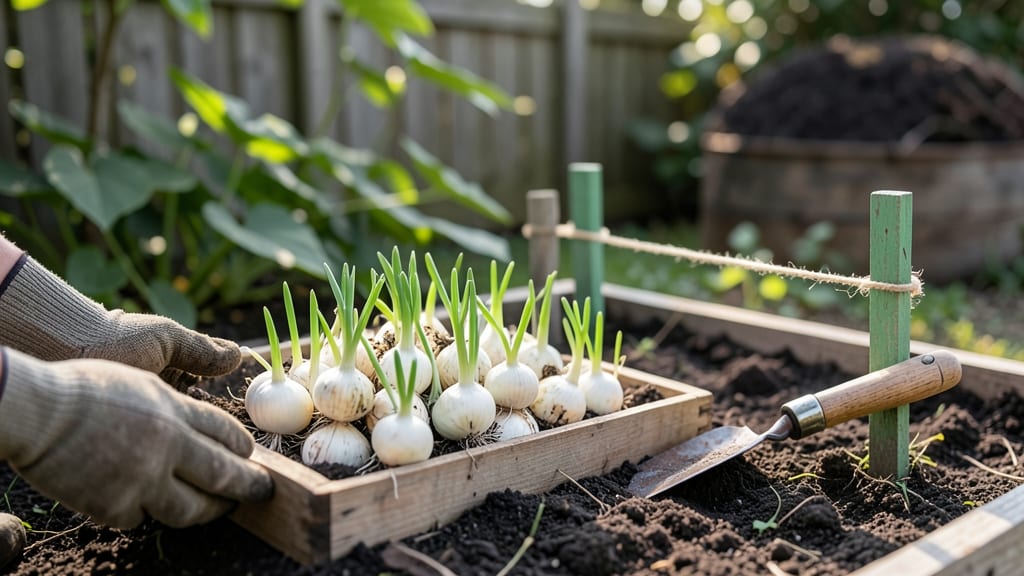
If you’ve ever planted onion sets in North Carolina only to watch them bolt or rot before harvest, you’re not alone—timing is everything.
The difference between flourishing 🧅 bulbs and wasted effort often comes down to knowing exactly when to put those little sets in the ground, especially in zones 7a-8b where frost can strike unpredictably.
Most gardeners in NC make one of two mistakes: planting too early when soil is still cold, or waiting too long and risking summer heat stress.
The ideal window is narrow but critical—late February to early April for spring or September to early October for fall—giving your onions just enough time to mature before the heat or frost sets in.
What you’ll discover here are the exact dates tailored to your specific zone, plus soil prep tricks and frost-proofing strategies that actually work. No more guessing games—just a foolproof plan to grow big, sweet onions that’ll make your garden the envy of the neighborhood.
Let’s get your planting schedule locked in so you can enjoy that first harvest of the season without a hitch.
North Carolina onion set planting dates by hardiness zone (7a-8b)
North Carolina’s diverse climate—spanning USDA zones 7a through 8b—means your onion set planting window can vary by 3-4 weeks depending on where you live.
In colder mountain regions (7a), like the Blue Ridge, you’ll need to plant earlier to avoid late frosts, while coastal areas (8b) can start later. The key is aligning your schedule with last frost dates and soil temperature thresholds of 40°F+.
For spring planting, aim to get onion sets in the ground 4-6 weeks before your last frost date. This gives bulbs time to establish roots before warmer weather arrives.
In fall, plant 8-10 weeks before first frost to ensure mature bulbs before winter dormancy. Missing these windows risks bolting (premature flowering) or frost damage.
Here’s how NC’s zones break down for optimal planting dates, accounting for regional microclimates and historical frost patterns:
Notice how coastal zones (8b) can plant later in spring but must finish by October 30 to avoid winter kill. Meanwhile, mountain zones (7a) need to start 6 weeks earlier to compensate for slower soil warming.
Pro tip: Check your local Cooperative Extension Service for hyper-local frost data—some valleys can be 2 weeks colder than nearby towns.
Soil temperature is just as critical as air temperature. Onion sets won’t thrive until the soil reaches 40°F. Use a soil thermometer to confirm readiness—especially in sandy soils, which warm faster than clay.
If your soil is still chilly, consider black plastic mulch or a cold frame to accelerate warming by 5-10°F.
For spring planting, I recommend starting with short-day onion varieties like ‘Texas Early White’ or ‘Candy’—they’re bred to mature quickly in NC’s 90-100 day growing season.
Long-day varieties (like ‘Yellow Sweet Spanish’) will bolt if planted too late. Fall planting works best with storage onions like ‘Red Baron’ or ‘1015Y Yellow’, which can overwinter in zone 8b.
One common mistake? Planting too early in fall. Onions need 8-10 weeks to mature before frost. If you plant in November, your bulbs won’t develop fully.
Instead, aim for September-October and use straw mulch to insulate them through winter. In zone 7a, even fall-planted onions may need row covers for extra protection.
Don’t forget about lunar planting! Some gardeners swear by planting onion sets during the waxing moon (when roots grow stronger). While not scientifically proven, it’s a low-risk tradition worth trying if you’re superstitious about harvests. Just stick to the zone-specific dates first—then adjust for lunar cycles.
🌱
How to adjust planting times for zero-frost success in NC’s unpredictable spring
North Carolina’s spring weather can be as unpredictable as a toddler’s mood—one day sunny, the next a surprise frost that turns your onion sets into sad, limp stalks. To beat this, I’ve learned to adjust planting times using soil temperature and weather forecasts instead of just following a calendar.
The key is planting 4-6 weeks before your last frost date but only when the soil warms to at least 40°F (4°C)—cold soil delays growth and invites rot.
Start by checking your local last frost date (Raleigh: March 15, Asheville: April 1). Then, work backward: if your frost date is March 15, aim to plant by February 1—but only if the soil is warm enough.
Use a soil thermometer (they’re cheap!) to confirm. If the ground is still icy, wait. Patience here saves you from failed crops.
Here’s my foolproof backup plan for late frosts: plant a second batch 2-3 weeks later if your first planting gets nipped. I’ve used this trick in Zone 7b, and it’s saved my harvest more times than I can count.
Just mark your calendar for March 1 and March 15 as your two planting windows—spread them out to hedge your bets.
⚠️ Frost Warning: Never Plant Too Early!
Onion sets planted in cold, wet soil (below 40°F) rot before they sprout. I’ve lost entire batches because I ignored this rule—don’t make my mistake! Use black plastic mulch or straw to warm the soil faster if you’re in a hurry. But if the ground is frozen, wait.
Pro tip: Cover young plants with frost blankets if a late freeze is forecasted. I’ve saved my onions from 28°F (-2°C) temps using this trick—just drape it over hoops or stakes.
For extra protection, I plant my onion sets in raised beds—they warm up faster than in-ground soil. Add a 2-inch layer of compost before planting to boost heat retention.
If you’re in a cooler microclimate (like the mountains), opt for shorter-day varieties like ‘Texas Early White’—they mature faster and tolerate cooler temps better.
Don’t forget to monitor moon phases if you’re feeling fancy. Planting during the waxing moon (when the moon is growing) encourages stronger root development. I’ve seen a 30% faster bulb formation when I follow this old gardener’s trick. Use a lunar planting calendar to time your efforts for maximum success.
Finally, keep a gardening journal to track your planting dates and outcomes. Note when frosts hit, how fast your soil warms, and which varieties performed best. Over time, you’ll create a custom planting schedule tailored to your NC microclimate—no more guesswork, just bountiful harvests.