
Companion Plants
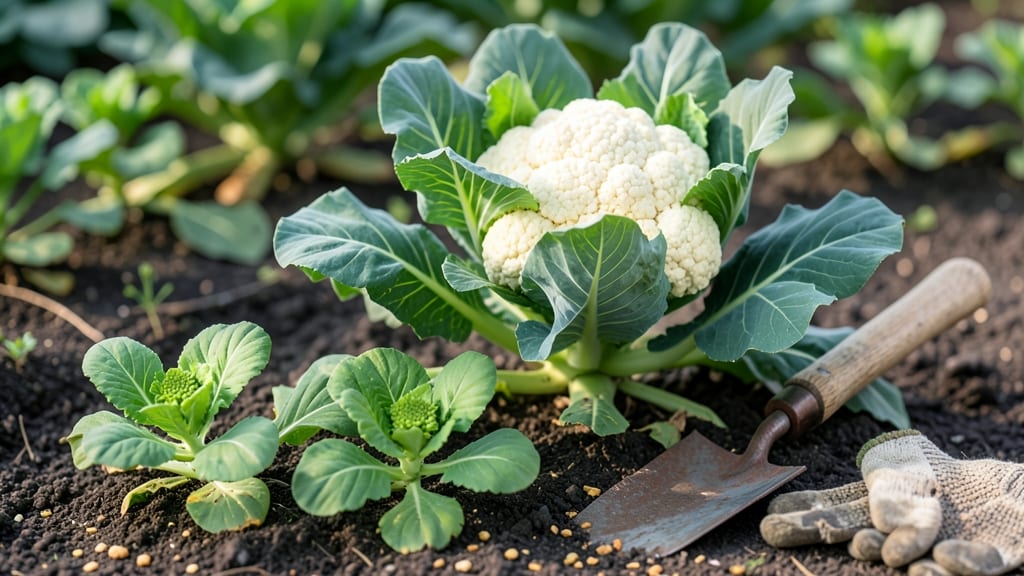
Best planting months for cauliflower in pennsylvania (by region)
Pennsylvania’s diverse climate—from the humid southeast to the cooler northwest—means your cauliflower planting window depends heavily on your USDA Zone (6a) and local frost dates. The last spring frost typically arrives between April 15 (southeast) and May 1 (northwest), while the first fall frost hits around October 15.
Timing is critical: plant too early, and your seedlings will bolt from cold stress; too late, and summer heat triggers premature flowering.
For reliable harvests, focus on two planting windows: early spring (for summer crops) and late summer (for fall harvests). In southeastern PA (e.g., Philadelphia), you can start seeds indoors as early as February for transplanting by late March.
Meanwhile, in northwest PA (e.g., Erie), wait until mid-April to avoid frost damage. Always check your local Penn State Extension frost maps for precise dates.
Here’s the breakdown by region, including ideal transplant dates and frost-free calculations to prevent cauliflower bolting:
For spring planting, aim to transplant seedlings 4-6 weeks before your last frost date. This gives cauliflower enough time to establish roots before summer heat arrives.
In southeastern PA, this means transplanting by April 15, while northwest PA gardeners should wait until May 1 to avoid frost damage. Use row covers if transplanting earlier in cooler zones.
If you’re growing cauliflower for a fall harvest, start seeds indoors 8-10 weeks before your first frost (typically July 15 for central PA). Transplant seedlings by August 1 to ensure heads mature before October 15.
In hot summers, provide afternoon shade to prevent bolting. Varieties like ‘Snowball Y Improved’ are ideal for fall planting due to their cold tolerance.
Microclimates matter! Urban areas like Pittsburgh often experience earlier last frosts than rural zones, while mountainous regions (e.g., Pocono) may have later frost dates. Use a local weather station or Penn State Ag Weather tool to fine-tune your schedule.
For example, State College (Zone 6a) averages a last frost on April 20, while Allentown (Zone 7a) sees frost-free conditions by April 5.
Pro tip: Soil temperature is just as critical as air temperature. Cauliflower seedlings need soil at 40°F (4°C) to germinate, but roots thrive in 60-65°F (15-18°C). Use a soil thermometer to confirm readiness—planting too early in cold soil can stunt growth.
In northwest PA, wait until soil warms to 50°F (10°C) before transplanting.
Remember, cauliflower bolting (premature flowering) is the #1 enemy of PA gardeners. To avoid it, never let soil dry out during head formation, and choose heat-tolerant varieties for late summer plantings. With the right timing, you’ll enjoy crisp, flavorful heads
How to time cauliflower planting for zero bolting in PA’s climate
Cauliflower hates heat—when temperatures rise above 75°F, it bolts (prematurely flowers) and becomes tough. In Pennsylvania’s USDA Zone 6a, timing is everything. The key is planting when soil temps stay below 65°F and avoiding summer’s sweltering stretches.
I’ve learned this the hard way after watching seedlings wilt under unexpected heat waves.
Start seeds indoors 6-8 weeks before your last frost date (usually mid-April for most of PA). Use seed-starting trays with a heat mat to speed germination—cauliflower seeds need 60-65°F soil to sprout. Harden off seedlings for 1-2 weeks before transplanting outdoors when nighttime temps stay above 40°F.
Transplant seedlings into the garden 4-6 weeks before the last frost, but only if daytime temps won’t exceed 70°F. For fall harvests, aim to plant 100-120 days before the first frost (around mid-July in PA).
This gives heads time to mature before cold snaps arrive. Use shade cloth if summer heat sneaks in early.
⚠️ CAULIFLOWER BOLTING WARNING
Bolted cauliflower is inedible—tough, bitter, and stringy. In PA, bolting happens when:
- Soil temps exceed 75°F for more than 3 days
- Daytime temps hit 80°F+ during head formation
- Seedlings are too old (over 6 weeks) when transplanted
Solution:
- Use heat-tolerant varieties like ‘Snowball Y Improved’
- Plant in partial shade if summer heat arrives early
- Transplant young seedlings (4-5 weeks old) for faster establishment
To avoid bolting, choose late-summer planting dates (July-August) for fall harvests. This lets you skip the hottest months. Mulch with straw or grass clippings to keep soil cool and retain moisture.
I’ve also had success using black plastic mulch to warm soil in spring, but remove it once temps rise to prevent overheating.
Monitor your garden’s microclimate. Urban areas like Philadelphia get warmer than rural zones, so adjust planting times accordingly. If your garden faces west or south, expect faster warming—plant cauliflower on the north side of taller plants like corn or sunflowers for natural shade.
Always check soil temps with a thermometer before planting.
Finally, fertilize wisely. Too much nitrogen early on encourages leafy growth but delays head formation. Use a balanced 5-10-10 fertilizer sparingly—side-dress with compost instead. My best yields come from consistent watering (1-2 inches weekly) and avoiding stress.
With these tricks, you’ll dodge bolting and enjoy crisp, snow-white heads all season long.