
Plants
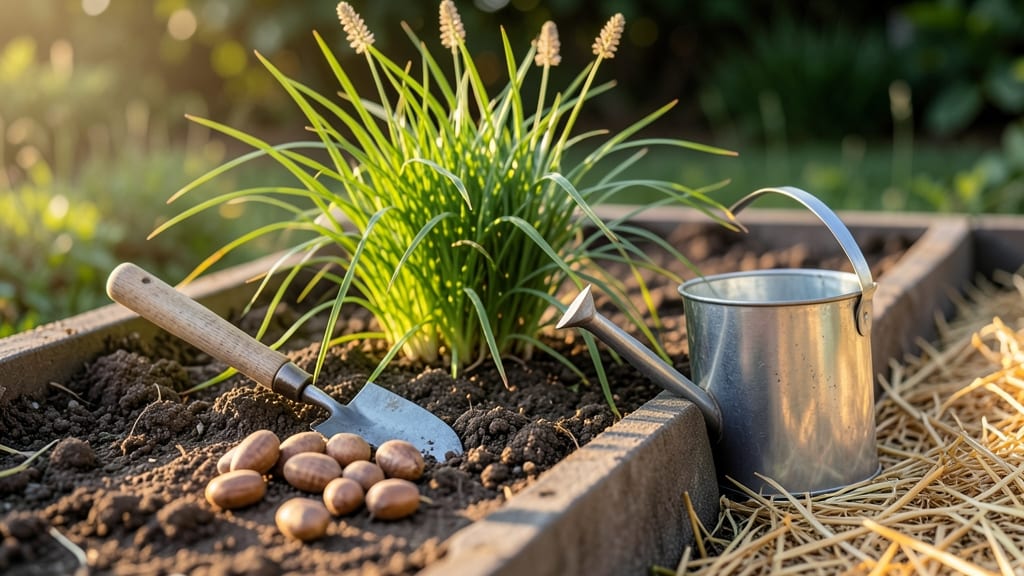
If you're dreaming of planting chufa in GA but wondering when to plant chufa in Georgia, timing is the secret ingredient to success—or failure. Planting too early risks frost damage, while waiting too long means summer’s scorching heat will stress your tubers before they mature.
Georgia’s 7b-8b climate gives you a narrow but sweet window: late spring to early summer (April–June). This is when soil warms to 65°F+, triggering those tiny tubers to sprout like clockwork.
But one wrong move—like ignoring your county’s last frost date—could turn your harvest hopes into a sad, wilted pile.
I’ll break down exactly when to plant in North vs. South GA, how to test soil warmth, and what to watch for as fall frost sneaks up. No guesswork—just a foolproof plan to get your chufa thriving from seed to harvest.
Ready to turn your garden into a chufa powerhouse? Let’s get those tubers in the ground at the perfect moment—because in Georgia, timing isn’t just important. It’s everything.
Georgia’s ideal chufa planting dates based on soil temperature
Georgia’s humid subtropical climate gives chufa (Cyperus esculentus) a perfect growing window, but timing your planting based on soil temperature and frost risk is critical. Chufa thrives when soil reaches 65°F or warmer, which typically happens in late April to early June across most of Georgia.
Planting too early risks frost damage, while waiting too long may stress tubers in peak summer heat.
North Georgia’s cooler microclimates (USDA zones 7a-7b) often require later planting dates compared to South Georgia (zones 7b-8b). For example, Atlanta gardeners should wait until mid-May when soil consistently stays above 65°F, while Savannah gardeners can start as early as late April.
Always check your local last frost date—Georgia’s average final frost is March 15, but microclimates can vary by 1-2 weeks.
To test soil warmth accurately, use a soil thermometer buried 2 inches deep in your planting area. Aim for 65°F for 5+ days before planting—this ensures optimal germination and tuber development.
Morning readings are most reliable since soil cools overnight. If your soil is still below 60°F, consider black plastic mulch or row covers to warm it faster.
Chufa’s growth timeline is tightly linked to soil warmth: tubers need 90-150 days to mature, so planting in May or early June ensures harvest before first frost (November 15).
In North Georgia, aim for a June 1 planting deadline to avoid late-season stress, while South Georgia can extend planting until early July.
Here’s how Georgia’s regions compare for chufa planting windows:
For urban gardeners in cities like Athens or Augusta, microclimates near concrete or pavement may warm 2-3°F faster than rural areas. Use these spots to extend your planting window if needed. Always monitor 7-day forecasts for unexpected cold snaps, especially in May.
Chufa’s sandy soil preference means it drains quickly, so well-draining loam with 10-20% sand is ideal. Amend heavy clay soils with compost and perlite to improve drainage.
A pH of 6.0-7.0 is perfect—test your soil 2 weeks before planting to adjust with lime (to raise pH) or sulfur (to lower pH) if needed.
Pro tip: Plant chufa in raised beds if your native soil is too dense or cold. Raised beds warm up 1-2 weeks faster than in-ground plots, giving you an earlier start. Fill beds with a 50/50 mix of garden soil and coarse sand for optimal tuber growth.
If you’re in a transition zone (like Northwest Georgia near Chattanooga’s influence), err on the side of planting later—even a single frost event can kill young chufa plants. Use frost cloth as a backup if early planting is tempting.
🌱
Georgia’s ideal chufa planting dates based on soil temperature
Georgia’s humid subtropical climate makes late spring to early summer the perfect window for planting chufa (Cyperus esculentus). The key is waiting until the soil reaches 65°F or warmer, which signals tubers will thrive without frost risk.
In North GA (USDA Zone 7b), this typically happens around mid-April to early May, while South GA (Zone 8b) gardeners can start as early as late March.
Chufa tubers hate cold soil—planting too early can stunt growth or invite rot. Use a soil thermometer to confirm warmth before sowing. If your garden runs cooler, opt for black plastic mulch to accelerate soil heating by 5-10°F in just days.
This trick is especially useful in higher-elevation areas like Blue Ridge, where frost lingers longer.
Here’s the critical soil temperature timeline for Georgia:
| Region | Ideal Planting Window | Soil Temp Threshold | Frost Risk |
|---|---|---|---|
| North GA (Zone 7b) | Mid-April to early May | 65°F+ (consistent) | High until May 15 |
| Central GA (Zone 7b-8a) | Late March to early April | 60°F+ (minimum) | Moderate until April 15 |
| South GA (Zone 8b) | Late February to March | 55°F+ (minimum) | Low after March 1 |
For maximum tuber production, aim to plant when daytime highs consistently hit 75°F+. This ensures rapid root development and minimizes stress. In South GA, this often aligns with late April to May, while North GA gardens may need to wait until mid-to-late May for optimal results.
Always check your local Almanac frost dates—a late frost in April can wipe out young seedlings.
Pro tip: If you’re in Zone 7b, plant a test row in early April under row covers. If the soil stays below 60°F for more than 3 days, your chufa will struggle. Adjust your main planting date accordingly. This low-risk trial saves time and prevents wasted seed.
Once soil temps stabilize, direct-sow seeds 1 inch deep in well-draining, sandy soil. Chufa tubers detest soggy conditions, so amend heavy clay with coarse sand or perlite to improve aeration. Water lightly after planting, then keep soil moist (not wet) until germination, which takes 14-21 days.
Timing your chufa planting around Georgia’s humidity peaks (June-July) also reduces pest pressure like squirrels and raccoons, which love fresh tubers. Planting in early June gives you a 120-day growing season before first frost—perfect for a fall harvest of plump, nutty chufa.