
Plants
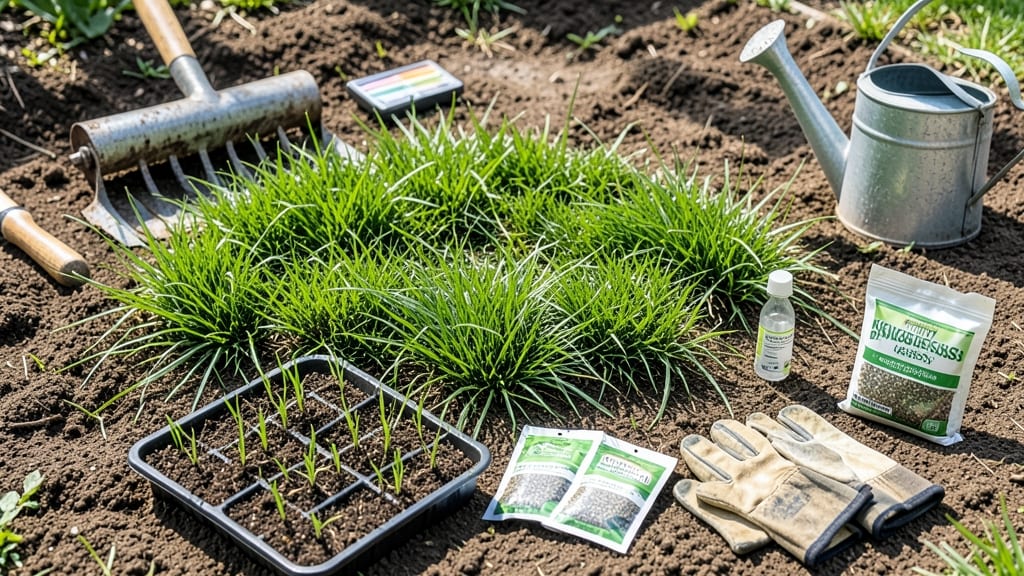
Wisconsin spring grass seed planting timeline: soil temperature rules to avoid frost damage
Timing your grass seed planting in Wisconsin isn’t just about the calendar—it’s about soil temperature. Cool-season grasses like Kentucky bluegrass and fescue need soil temps of 40°F or warmer for 5+ consecutive days to germinate properly.
Northern Wisconsin’s USDA Zone 4a often lags behind Southern Wisconsin’s Zone 5b, so regional adjustments matter.
Use a soil thermometer (inserted 2 inches deep) to confirm readiness. If temps drop back below 40°F after planting, your seeds may fail to sprout.
This is why late April is the safest bet for most of the state, though early March works in warmer southern regions like Milwaukee or Madison.
Here’s the critical rule: Plant when your average daily soil temperature stays above 50°F for at least a week. This ensures roots establish before summer heat arrives. Miss this window, and you’ll face dormancy stress or uneven germination.
🌱 Wisconsin Spring Grass Seed Planting Timeline
| Region | Ideal Planting Window | Soil Temp Threshold | Frost Risk |
|---|---|---|---|
| Southern WI (Zone 5b) | Mid-March to Early April | 40°F+ for 5+ days | Low after March 20 |
| Central WI (Zone 4b) | Late April to Early May | 50°F+ for 7+ days | Moderate until May 10 |
| Northern WI (Zone 4a) | Early May to Mid-May | 55°F+ for 10+ days | High until May 20 |
📌 Pro Tip: Check the National Weather Service’s Wisconsin frost forecast weekly for updates.
For extra accuracy, combine soil temp checks with a 3-step verification process:
- Soil thermometer reading (2" deep, morning reading).
- Frost date tracker (Wisconsin State Climatology Office).
- Local gardening forums (e.g., UW Extension posts).
Northern Wisconsin gardeners should wait until May 10–20 to plant, while southern regions can start as early as March 15. The key is consistency: If nights dip below 32°F after planting, cover seeds with straw mulch to prevent frost damage.
Once you’ve nailed the timing, prep your seedbed by loosening soil to 1/4 inch deep and removing debris. This ensures optimal seed-to-soil contact for faster germination. Water lightly after planting to settle seeds without washing them away.
After germination (typically 7–21 days depending on variety), reduce watering to 1 inch per week to encourage deep root growth. Avoid walking on new grass until it reaches 3–4 inches tall—this prevents root damage and uneven growth.
Remember: Spring planting in Wisconsin is a race against time. The earlier you plant, the more time your grass has to establish before summer heat arrives. But don’t rush—soil temperature trumps the calendar every time. 🌱
Wisconsin spring grass seed planting timeline: soil temperature rules to avoid frost damage
Wisconsin’s spring weather is notorious for its unpredictable frost cycles, making timing critical for grass seed success. The ideal planting window starts when soil temperatures consistently reach 40°F (4°C) for 5+ days, signaling safe germination.
In Southern Wisconsin, this often falls in late March to early April, while Northern regions may need to wait until mid-April. Always verify with a soil thermometer—never guess!
Using a soil thermometer is non-negotiable. Check temperatures 2–4 inches deep in the morning (when soil is coolest). If readings dip below 40°F (4°C) at night, delay planting.
Pro tip: Rent a thermometer if you don’t own one—most garden centers offer them for a few dollars. This small step prevents frost-heaving and wasted seed.
Avoid the March temptation to plant early, even if snow has melted. Early seeding risks frost damage to tender sprouts, leaving bare patches. Instead, wait for stable 50°F (10°C) daytime temps—this ensures faster germination and stronger root establishment.
Patience here pays off with a thicker, healthier lawn by summer.
| Region | Safe Planting Window | Soil Temp Threshold | Frost Risk |
|---|---|---|---|
| Southern WI (Madison, Milwaukee) | Late March–Early April | 40°F+ for 5+ days | Low after April 1 |
| Central WI (Green Bay, Wausau) | Mid-April | 45°F+ for 5+ days | Moderate until April 15 |
| Northern WI (Minneapolis, Duluth) | Late April | 50°F+ for 5+ days | High until May 1 |
🌡️ Pro Tip: Use the Wisconsin State Climatology Office frost map for real-time updates.
Once you’ve nailed the soil temperature, monitor the 7-day forecast for frost warnings. If nighttime temps drop below 32°F (0°C) after planting, cover seeds with lightweight row covers or straw.
This temporary protection buys time for roots to establish. Remember: Grass seeds need warmth to germinate, not cold—so don’t rush!
After planting, maintain consistent moisture (1 inch of water weekly) until germination. In Wisconsin’s dry springs, this may require daily watering. Use a sprinkler with gentle mist to avoid displacing seeds. Morning watering (before 10 AM) minimizes evaporation and fungal risks—critical for seedling survival.
If you miss spring, don’t despair—early fall (August–September) is the second-best window. Fall planting takes advantage of cool soil temps and fall rains, reducing summer stress.
Just ensure seeds germinate 4–6 weeks before first frost (typically by October 15). Either way, timing is everything for a lush Wisconsin lawn. 🌱