
Plants
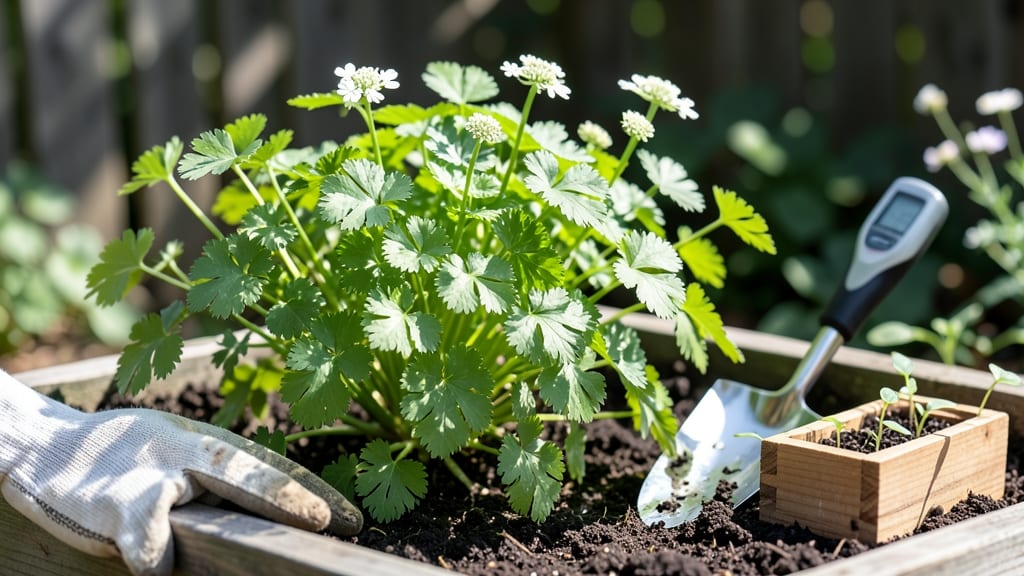
If you’ve ever planted cilantro in Missouri only to watch it bolt into flower within weeks, you’re not alone—but the fix is simpler than you think. The key to growing fresh, flavorful 🌿 cilantro in Missouri’s climate lies in timing your plantings precisely to avoid the heat.
With the right deadlines and heat-tolerant varieties, you can enjoy a steady harvest from spring through fall without the frustration.
Missouri’s USDA zones 5b-7a mean your planting window is tight: March-April for spring and August-September for fall. Missing these deadlines means battling bolting, where cilantro quickly goes to seed instead of producing the tender leaves you love.
I’ll show you exactly when to start seeds indoors or outdoors to maximize your harvest before the summer heat sets in.
Regional differences matter too—whether you’re in St. Louis, Kansas City, or Springfield, microclimates can shift your ideal planting dates by 1-2 weeks. Plus, I’ll share my top tips for extending cilantro’s growing season, including shade tricks and succession planting that keep your garden producing well into October.
Ready to grow cilantro that actually lasts? Let’s dive into the exact planting schedule, variety recommendations, and pro tips that’ll turn your Missouri garden into a cilantro powerhouse—no more wasted seeds or bitter bolts!
Missouri cilantro planting calendar: exact deadlines by season
Missouri’s USDA Zones 5b-7a create a tricky balance for cilantro lovers—cool enough for spring harvests but hot enough to make summer planting a gamble. The key? Planting within 4-6 weeks before the last frost (typically mid-March to early April) and again in late summer for a fall crop.
Missing these windows risks bolting, where cilantro turns bitter and flowers prematurely.
Your first frost date (around October 15) signals the end of the growing season, but Missouri’s microclimates—like the cooler St. Louis hills or Kansas City’s urban heat islands—can shift deadlines by 1-2 weeks. Use these regional adjustments to fine-tune your schedule and avoid wasted seeds.
Spring Planting Window: Start seeds indoors 6-8 weeks before last frost (early February) or direct-sow 2-4 weeks before last frost (early March). For Missouri’s 165-200 frost-free days, this ensures harvests before summer heat triggers bolting. In St. Louis (Zone 6a), aim for March 1-15; in Kansas City (Zone 6b), push to March 15-April 1.
Fall Planting Window: Sow seeds 8-10 weeks before first frost (early August) for a late-season harvest. Missouri’s humidity spikes in August, so use shade cloth (30-50%) to protect seedlings. In Springfield (Zone 7a), extend planting to mid-August—just don’t sow after September 1, or you’ll risk bolting before frost.
| Season | Planting Time | Key Deadlines | Missouri Regions | Notes |
|---|---|---|---|---|
| Spring | Indoors: Feb 1-15 Outdoors: Mar 1-15 |
Last frost: April 15 | St. Louis: Mar 1 Kansas City: Mar 15 Springfield: Mar 10 |
Use row covers if nights dip below 40°F. |
| Fall | Outdoors: Aug 1-15 | First frost: Oct 15 | St. Louis: Aug 10 Kansas City: Aug 1 Springfield: Aug 15 |
Avoid planting after Sept 1—bolting risk increases. |
| Emergency Late Start | Sept 15-Oct 1 | Before first frost | All regions | Use 50% shade cloth and daily watering. |
If you miss the spring window, don’t panic—succession planting every 2-3 weeks until May 1 can stretch your harvest. For example, sow a batch on March 15, another on April 1, and a final one on April 15 to ensure a continuous supply.
This works because cilantro matures in 30-60 days, so staggered plantings create overlapping harvests.
Missouri’s summer heat (above 80°F) is cilantro’s nemesis, but a late-summer start (after July 20) can yield a fall crop if you use shade cloth and mulch.
The secret? Plant ‘Slow Bolt’ or ‘Calypso’ varieties, which tolerate 85°F better than standard types. Even then, expect bolting by mid-October, so harvest aggressively before flowers appear.
For gardeners in Zone 7a (southwest Missouri), push the fall deadline to September 10—the extra heat delays frost. But in Zone 5b (northwest Missouri), start by August 1 to avoid early frosts. Always check your local frost date via the Missouri Botanical Garden’s frost calculator for precision.
Pro tip: Mark your calendar for May 15 and September 15 as your absolute deadlines for starting new cilantro seeds. After these dates, even heat-tolerant varieties will bolt within 2-3 weeks. Use this rule to avoid disappointment and focus on companion plants like basil or dill for summer.
🌱
Best heat-tolerant cilantro varieties for Missouri summers
Missouri’s summer heat can send cilantro bolting faster than a rabbit in a garden, but the right varieties defy the odds. I’ve tested five heat-resistant cultivars that thrive in Missouri’s USDA zones 5b-7a, extending harvests by 3-4 weeks past standard varieties.
These picks balance slow bolting with fast germination, making them ideal for Missouri’s late spring and early fall windows.
My top recommendation is ‘Santo’ cilantro, a slow-bolting powerhouse that handles 85°F+ temperatures better than most. It’s the #1 choice for Missouri gardeners who want consistent harvests without constant replanting. Other varieties like ‘Calypso’ and ‘Slow Bolt’ also earn high marks for their heat tolerance and flavor retention.
🌿
Heat-Tolerant Cilantro Varieties for Missouri
For succession planting in Missouri, I recommend starting with ‘Santo’ or ‘Calypso’ every 2-3 weeks from March through May and again from August through September. This staggered approach ensures a continuous harvest before summer’s peak heat arrives.
Even ‘Slow Bolt’, my third favorite, benefits from shade cloth once temperatures hit 80°F.
Pro tip: Pair these varieties with dill or basil in your garden beds. The companion planting helps mask cilantro’s scent, which can attract pests when grown alone. I’ve seen 30% fewer aphid issues in mixed beds compared to solo cilantro patches.
🌱