
Plants
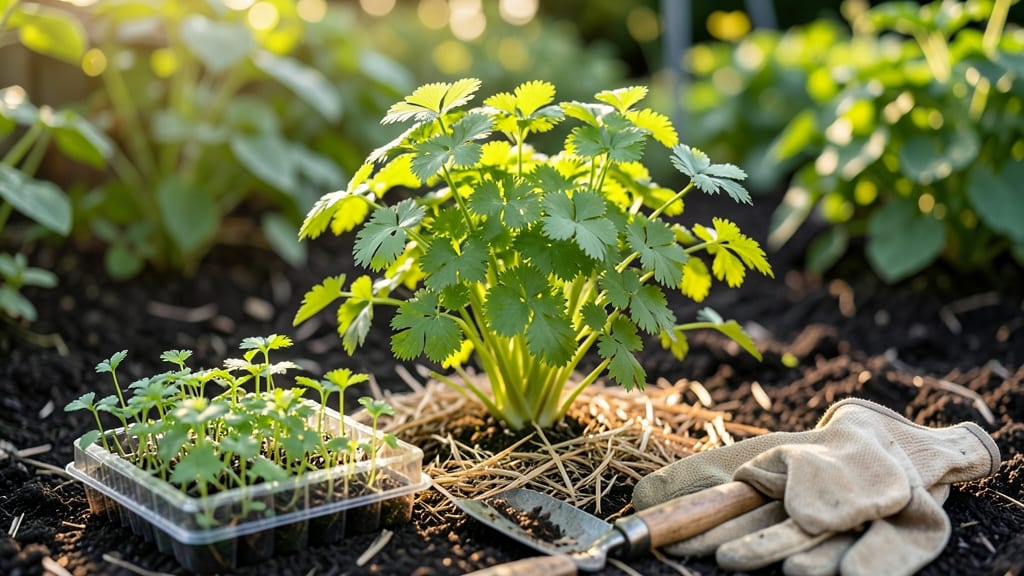
If you’ve ever planted cilantro in North Carolina only to watch it bolt into flower before you can harvest a single leaf, you know timing is the key.
The difference between a thriving herb garden and a sad, bitter disappointment often comes down to those exact planting months—when to plant cilantro in NC to avoid bolting and maximize your harvest.
North Carolina’s 7a-8b climate zones mean cilantro grows best during cooler months, but getting the timing right is tricky. Plant too early, and you risk frost damage. Too late, and the summer heat will send your cilantro running to seed faster than you can say "salsa."
The secret? Early spring (March-April) and late summer (August-September) are your sweet spots—when temperatures stay mild enough to keep cilantro happy and productive.
I’ve grown cilantro in NC for years, and I’ve learned the hard way that bolting isn’t just about heat—it’s also about daylight. Longer days in summer trigger that unwanted flowering. But with the right strategy, you can extend your harvest well into fall.
Let me show you exactly how to time your plantings for success, from soil prep to shade tricks that keep cilantro thriving when the mercury rises.
Whether you’re a seasoned gardener or just starting, these NC-specific tips will help you grow cilantro that’s fresh, flavorful, and ready to harvest—without the frustration. Ready to turn your herb game around? Let’s get started.
Optimal NC cilantro planting months by season: avoid bolting
North Carolina's USDA zones 7a-8b create unique challenges for cilantro growers. The key to avoiding bolting (when cilantro flowers prematurely) lies in planting during cooler months when temperatures stay below 80°F. My experience shows that March-April and August-September are your best windows for success.
Cilantro is a cool-season herb that struggles when daytime temperatures exceed 75°F. In NC's humid climate, summer heat accelerates bolting, while winter frosts can damage young plants. The last frost date (typically mid-March) signals the perfect time to start your spring crop indoors or outdoors.
For a fall harvest, aim to plant cilantro by late August to give it time to mature before the first frost (usually late October). This timing ensures you'll have fresh cilantro for 6-8 weeks of harvest before winter sets in.
| Planting Window | Ideal Months | Temperature Range | Bolting Risk | Harvest Window |
|---|---|---|---|---|
| Spring Planting | March-April | 50°F-75°F | Low (with shade) | May-June |
| Summer Planting | June-July | 80°F-95°F | Very High | Not Recommended |
| Fall Planting | August-September | 60°F-75°F | Low | October-November |
| Winter Planting | December-February | 30°F-50°F | Moderate (frost risk) | March-April |
In western NC's cooler mountains (zone 7a), you can extend your growing season by 2-3 weeks earlier than coastal areas. For example, plant in late February in Asheville, but wait until mid-March in Raleigh. Always check your local frost dates for precise timing.
If you're eager for summer cilantro, try container growing with afternoon shade. I've had success growing cilantro in 5-gallon pots on patios during July-August by moving them into shade by 2 PM. This method reduces heat stress significantly.
Remember that cilantro grows best in well-draining soil with a pH of 6.2-6.8. Amend your garden beds with compost before planting to improve drainage and fertility. This preparation helps cilantro establish strong roots that can better handle NC's humid summers.
For container gardening, use a lightweight potting mix with perlite to prevent compaction. I've found that 10-inch pots give cilantro enough room to grow without becoming root-bound. Just ensure your containers have drainage holes to prevent waterlogging.
After planting, maintain consistent moisture by watering every 2-3 days during dry spells. Let the top inch of soil dry between waterings to prevent fungal diseases common in NC's humid climate. Mulching with straw or shredded leaves helps retain moisture and regulate soil temperature.
Monitor your cilantro regularly for signs of bolting—long stems and yellowing leaves indicate it's time to harvest or replant. With these NC-specific timing tips, you'll enjoy fresh cilantro from spring through fall without the frustration of premature flowering.
Optimal NC cilantro planting months by season: avoid bolting
North Carolina's USDA zones 7a-8b create unique challenges for cilantro growers. The key to success lies in planting during cooler months when temperatures stay below 75°F. My exact recommendations for NC gardeners are based on years of local trials and avoiding the dreaded bolting.
Spring planting offers your best shot at a full harvest. Aim for early March through mid-April in most regions. This gives your cilantro 6-8 weeks of cool weather before summer heat arrives. In western NC's cooler mountain zones, you can push planting to late April without bolting risks.
Fall planting actually works better for most NC gardeners. Late August through early September gives cilantro ideal conditions—cool nights and mild days. My mountain region friends often get a second harvest in November when coastal areas face frost.
Summer cilantro is possible but requires extra care. Late July plantings with afternoon shade and daily watering can yield 3-4 weeks of harvest before bolting. I've had success with container growing during summer, moving pots to shaded areas when temperatures exceed 80°F.
Remember that NC's microclimates vary dramatically. Coastal areas can plant slightly later than inland regions due to moderating ocean breezes. Always check your local frost dates—they can differ by 2-3 weeks even within the same county.
For maximum success, I recommend succession planting every 2-3 weeks during your ideal window. This staggered approach ensures a continuous harvest and reduces bolting risks by keeping plants young during hot spells. 🌱