
Plants
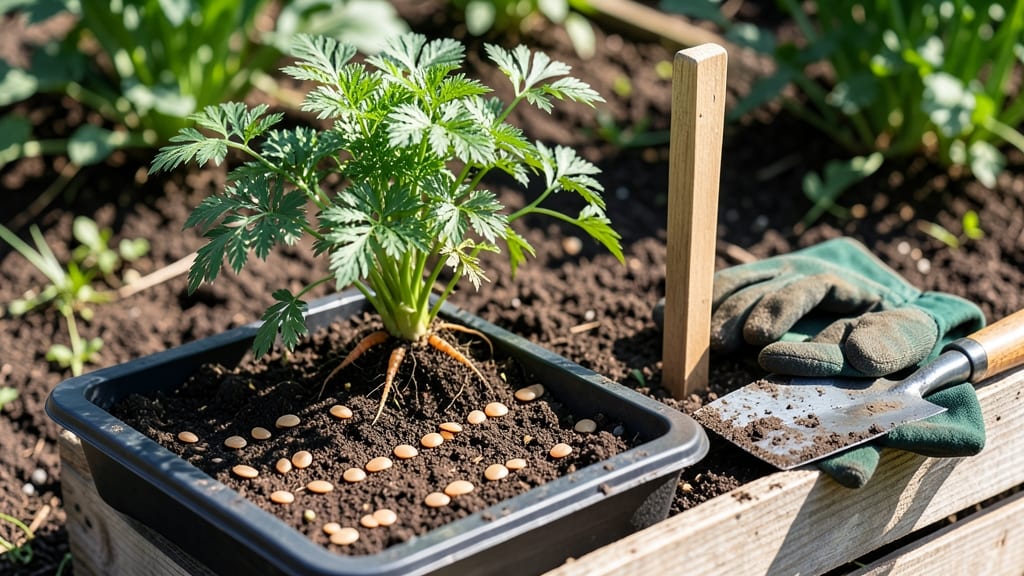
If you've ever wondered when to plant carrots in North Carolina for that perfect harvest, timing is the secret ingredient that separates a thriving garden from a disappointing one.
The Tar Heel State's unique climate—with its varied zones from 7a to 8b—means you can grow sweet, crisp 🥕 all year long if you play it smart.
Most gardeners in NC focus on two prime windows: early spring (March-April) and late summer (August-September). But here's the catch: planting too early in cold soil can stunt growth, while waiting too long risks bolting before you even get a harvest.
The key is understanding your specific zone's frost dates and soil temperature thresholds.
In this guide, I'll break down the exact frost-free timelines for planting carrots in North Carolina's different regions, so you can maximize your yields without guessing. We'll cover everything from soil prep to extending your growing season with simple tricks that actually work.
Ready to grow carrots that are sweeter and more abundant than ever? Let's dive into the precise planting schedule that'll have your garden producing 🥕 perfection twice a year.
North Carolina carrot planting zones: exact frost-free dates by region
North Carolina spans USDA Zones 5a through 8b, meaning frost dates vary dramatically from the mountains to the coast. For carrots, timing is critical—plant too early in cold soil, and you’ll get hard, misshapen roots.
Too late, and pests or heat stress ruin your harvest. Let’s break down the exact windows for each zone, including soil temperature and frost-free dates to maximize your yield.
Carrots thrive when soil temperatures reach at least 50°F (10°C). In North Carolina, this typically happens in early March in Zone 8b (coastal areas) but not until mid-April in Zone 5a (mountains).
The key is to plant when the ground is warm enough but not baked—ideal soil temps for germination hover around 60-70°F (15-21°C). Use a soil thermometer to check before sowing.
Here’s how to align your planting with North Carolina’s microclimates. Each zone has its own last frost date, which determines your fall planting window.
For example, Zone 7a (Piedmont) has a last frost around March 15, while Zone 8a (coastal) can plant as early as February 15. Miss these windows, and you risk bolting (premature flowering) or rot from soggy soil.
| Zone | Last Frost Date | First Frost Date | Spring Planting Window | Fall Planting Window | Soil Temp for Planting |
|---|---|---|---|---|---|
| 5a (Mountains) | April 15 | November 1 | April 15–May 15 | August 1–September 1 | 60–70°F |
| 6a (Foothills) | March 30 | October 15 | March 30–April 30 | July 15–August 15 | 55–65°F |
| 7a (Piedmont) | March 15 | November 1 | March 15–April 15 | July 1–August 15 | 50–60°F |
| 7b (Coastal Plain) | February 28 | November 15 | February 28–April 15 | June 15–August 1 | 55–65°F |
| 8a (Outer Banks) | February 15 | December 1 | February 15–March 30 | May 15–July 1 | 60–70°F |
Spring vs. fall carrot planting in North Carolina: which offers better yields?Deciding between spring and fall planting for carrots in North Carolina can feel tricky, but both seasons offer unique advantages. Spring planting gives you an early harvest, while fall often delivers sweeter, more flavorful roots. Let’s break down the pros and cons of each to help you choose the best approach for your garden. For spring planting, aim to sow seeds 2-4 weeks before your last expected frost—typically between mid-March and early April in most of NC. This timing ensures your carrots mature before summer’s intense heat. However, spring planting comes with risks like pest pressure and potential bolting if temperatures spike too early. On the other hand, fall planting (August-September) often yields better results in NC’s humid climate. Cooler temperatures reduce pest threats, and carrots develop sweeter flavors as they grow in milder weather. Fall also allows you to harvest before the first frost, which usually hits around mid-November in most zones. 🌱 Key Advantages & Disadvantages
If you’re growing short-season varieties, spring planting works well, but for the best flavor and fewer headaches, fall planting is often the winner in NC. Just be sure to choose fast-maturing varieties (60-70 days) to avoid winter frost. For soil prep, whether you plant in spring or fall, focus on loose, well-draining soil with a pH between 6.0 and 7.0. Add compost before planting to improve texture and fertility. Mulch heavily after sowing to retain moisture and suppress weeds, which is especially critical in NC’s hot, humid summers. Pro tip: If you’re eager for both seasons, try a successive planting strategy—sow a small batch in spring and another in early fall. This way, you’ll enjoy fresh carrots from June through November. Just remember, thin seedlings properly to avoid overcrowding, which can lead to stunted roots. 🌿 |