
Plants
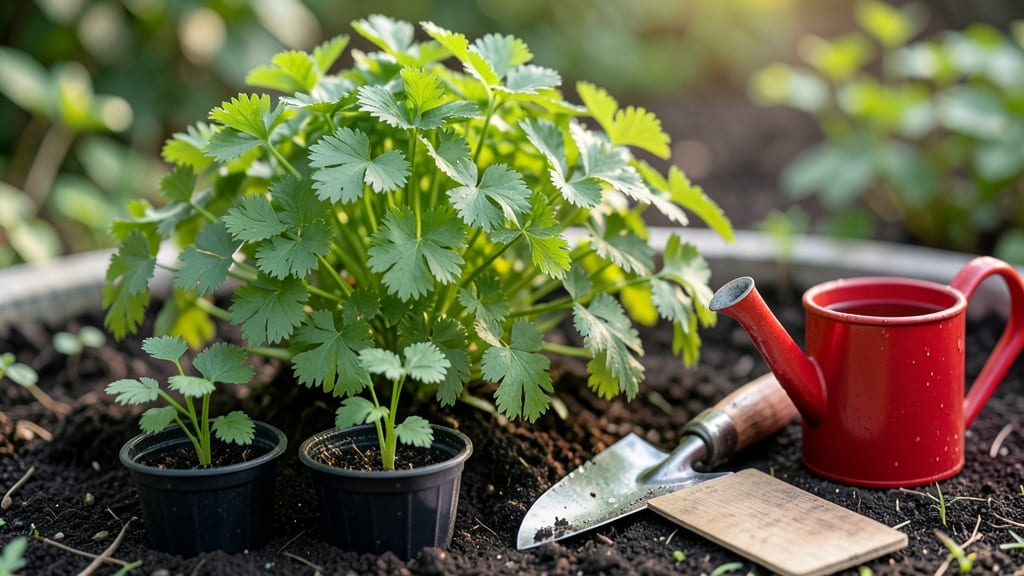
Timing your cilantro planting in Ohio could mean the difference between a thriving herb garden and a sad, bolting disappointment. The 6a zone’s unpredictable spring frosts and summer heat make this herb tricky—but get the schedule right, and you’ll enjoy fresh 🌿 cilantro from May through October.
Most gardeners in Ohio swear by two key planting windows: early spring (March–April) and late summer (August–September). Why? Because cilantro hates heat—once temperatures climb above 80°F, it bolts faster than a rabbit in a vegetable patch.
But with the right timing, you can outsmart Ohio’s climate and keep your cilantro happy.
Here’s the secret: plant your cilantro 2–3 weeks before the last frost (around mid-April) for a spring harvest, then repeat in August for fall. This two-season strategy works because Ohio’s shorter summer days and cooler nights give cilantro the perfect conditions to mature without rushing into bolting.
Ready to grow cilantro that lasts? I’ll walk you through the exact frost-free timeline, soil prep tricks, and even which varieties hold up best in Ohio’s unpredictable weather. Let’s get your garden growing!
Ohio’s cilantro planting calendar: frost dates and heat tolerance limits
Ohio’s USDA Zones 5-6 create a tricky balance for growing cilantro. The state’s last spring frost typically arrives between April 15 (south) and May 1 (north), while first fall frost hits around October 15.
This short 165-day frost-free window demands precise timing to avoid heat stress or frost damage.
Cilantro thrives in cool temperatures (60-70°F) but bolts quickly when exposed to consistent temps above 80°F. Ohio’s summer heat makes spring and fall plantings your best bets for success. Let’s break down the ideal planting windows based on your region in Ohio.
Northern Ohio (Zones 5) gardeners should aim for late March to early April plantings. The soil should be at least 40°F and warming, while the air temperature should stabilize above 50°F at night. For a fall harvest, sow seeds in mid-August to allow mature plants to develop before frost.
Southern Ohio (Zones 6) has a slightly longer growing season. Start cilantro in early March for spring harvests and again in late July for fall. The warmer microclimates here mean you can push the envelope slightly, but avoid planting after June 15—the heat will trigger bolting within weeks.
| Region | Last Spring Frost | First Fall Frost | Spring Planting Window | Fall Planting Window | Heat Risk |
|---|---|---|---|---|---|
| Northern Ohio (Zones 5) | April 15 - May 1 | October 10 - 15 | Late March - Early April | Mid-August | High after June 1 |
| Central Ohio (Zones 5-6) | April 1 - April 15 | October 5 - 10 | Early March - Mid-April | Late July - Early August | Moderate after June 15 |
| Southern Ohio (Zones 6) | March 20 - April 1 | October 15 - 20 | Early March - Early April | Late July - Mid-August | Low before July 15 |
For urban gardeners in Columbus or Cincinnati, microclimates near buildings or water can extend the growing season by 1-2 weeks. If you’re unsure about your local frost dates, check the Old Farmer’s Almanac or your county’s agricultural extension office for precise data tailored to your ZIP code.
When planting, use slow-bolting varieties like ‘Santo’ or ‘Calypso’ to give yourself a buffer against Ohio’s heat spikes. These varieties can tolerate temperatures up to 75°F for short periods, but they’ll still bolt if exposed to consistent 80°F+ heat for more than a week.
To maximize your harvest, direct-sow seeds rather than transplanting seedlings. Cilantro has a delicate root system that doesn’t tolerate disturbance well. Plant seeds ½ inch deep and 2 inches apart in rows spaced 12-18 inches apart for optimal airflow and sunlight penetration.
Once your cilantro is established, mulch around the base with straw or shredded leaves to retain moisture and regulate soil temperature. This is especially important in Ohio’s hot, dry summers, where soil can heat up quickly and stress the plants.
Remember, cilantro is a cool-season crop, so don’t be tempted to plant it in mid-summer unless you’re using shade cloth. Even then, expect a shorter harvest window before bolting sets in.
Plan your plantings carefully, and you’ll enjoy fresh cilantro from late spring through early fall in Ohio’s unpredictable climate. 🌱
How to extend cilantro’s growing season in Ohio’s harsh climate
Ohio’s hot summers and unpredictable frosts can turn cilantro into a short-lived herb—but with the right strategies, you can enjoy fresh leaves from spring through fall. The key? Succession planting, shade solutions, and smart companion planting to delay bolting.
Let’s break down how to stretch your cilantro harvests when the weather turns against you.
First, succession planting is your best friend. Instead of planting all your cilantro seeds at once, stagger plantings every 2-3 weeks from March through May. This ensures a steady supply of young plants that won’t bolt prematurely.
For fall harvests, start your last batch in mid-August so it matures before the first frost in October.
Ohio’s summer heat (especially in July and August) can cause cilantro to bolt quickly. To combat this, use 30-50% shade cloth during the hottest afternoon hours. This simple trick can lower soil and air temperatures by 10-15°F, giving your cilantro the cool conditions it craves.
Pair this with morning watering to keep roots cool and soil moist.
🌿 3 Proven Strategies to Extend Your Cilantro Season
- Succession Planting: Sow seeds every 2-3 weeks from March to May, then again in mid-August for fall harvests.
- Shade Cloth: Use 30-50% shade cloth in summer to reduce heat stress and delay bolting.
- Companion Planting: Grow cilantro alongside dill, lettuce, or brassicas to improve flavor and slow bolting.
For urban gardeners or those with limited space, container gardening is a game-changer. Use 5-7 inch pots with well-draining soil and place them in partial shade during peak summer. Containers warm up faster than garden beds, so bury pots slightly deeper to stabilize soil temperature.
This method also makes it easier to move plants to shadier spots when needed.
Don’t underestimate the power of companion planting. Cilantro thrives near lettuce, spinach, and beans, which provide shade and improve soil nutrients. Avoid planting it near parsley or coriander, as they can cross-pollinate and affect flavor.
My favorite combo? Cilantro + dill—they both love similar conditions and repel pests like aphids.
Finally, harvest regularly to encourage bushier growth. Pinch off flower buds as soon as they appear to redirect energy to leaf production. With these tactics, you’ll enjoy fresh cilantro for months, even in Ohio’s challenging climate! 🌱