
Plants
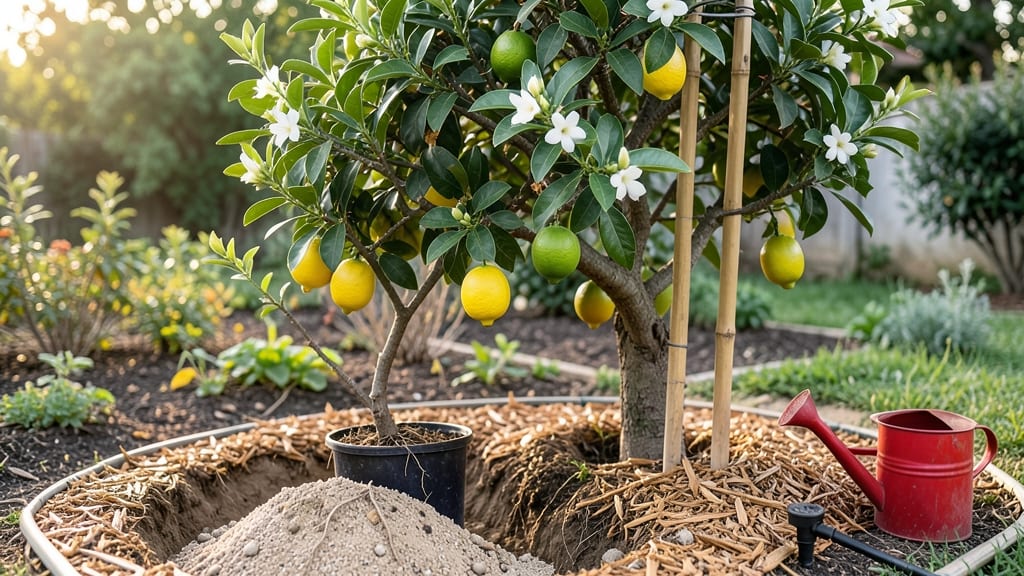
Planting citrus trees in Arizona might seem tricky with its extreme heat and occasional frost, but timing is everything for success. The best window—November through March—lets your 🍊 establish roots before summer’s brutal sun.
Skip this, and you risk stunted growth or worse, especially in zones like 9b where cold snaps can sneak up.
Why does this matter? Because citrus thrives when planted cool-season, giving roots time to spread before Arizona’s scorching summers kick in. I’ve seen gardeners rush planting in spring only to watch their trees struggle by July. The key? Cool soil, minimal stress, and a head start on hydration.
In this guide, I’ll break down the exact months to plant by Arizona’s microclimates—low desert vs. high desert—and share pro tips to beat the heat. Whether you’re a beginner or a seasoned gardener, these strategies will help your citrus trees grow strong and fruitful.
Ready to avoid common mistakes and set your citrus up for years of harvests? Let’s dive into the details that make all the difference in Arizona’s climate.
Best months to plant citrus trees in Arizona’s climate zones
Arizona’s diverse climate zones—from the Low Desert to the High Desert—mean planting citrus isn’t one-size-fits-all. The ideal window for planting citrus trees spans November through March, but the exact timing depends on your elevation and frost risk.
In the Low Desert (Phoenix, Tucson), you can push planting to late March, while High Desert gardeners (Flagstaff, Prescott) should plant by late February to avoid frost damage.
Citrus trees thrive when planted during cooler months when soil temperatures stay below 75°F (24°C). This allows roots to establish before the 100°F+ (38°C+) summers. Planting in October is risky due to monsoon rains and fungal diseases, while April plantings may stress young trees as temperatures rise.
Always check your local last frost date—Arizona’s varies from mid-December in Phoenix to mid-January in Flagstaff.
Here’s how Arizona’s microclimates affect your planting schedule:
| Climate Zone | Ideal Planting Window | Soil Temp Threshold | Frost Risk | Pro Tip |
|---|---|---|---|---|
| Low Desert (Phoenix, Tucson) | November – March (push to late March) | Below 75°F (24°C) | Low (rare frost) | Use drip irrigation to combat summer heat. |
| High Desert (Flagstaff, Prescott) | November – Late February | Below 65°F (18°C) | Moderate (frost possible) | Choose cold-hardy varieties like Satsuma mandarins. |
| Mountain Regions (Sedona, Jerome) | October – Early December | Below 60°F (15°C) | High (frost likely) | Plant in containers for winter protection. |
If you miss the November–March window, your next best option is October—but only if you’ve planted after the monsoon season (late September) to avoid root rot from standing water.
Avoid planting in April or May, as young citrus trees can’t handle Arizona’s intense summer heat without established roots. For container-grown citrus, you can plant year-round, but fall or winter still gives the best results.
Another critical factor is soil temperature. Use a soil thermometer to confirm temps are below 75°F (24°C) before planting. In the Low Desert, this usually aligns with November–February, while High Desert soils may stay cool into March.
Pro tip: Mulch heavily (3–4 inches of organic mulch) to regulate soil temperature and retain moisture during Arizona’s dry spells.
For container planting, timing is more flexible, but still aim for cool months. Containers heat up faster than ground soil, so morning sun exposure and shade cloth (30–50%) can help young trees acclimate.
If you’re in a windy area (common in Arizona), plant near a windbreak like a fence or shrubs to prevent desiccation of leaves.
One common mistake is planting citrus too early in October, when monsoon rains can lead to fungal diseases like root rot. Wait until rains subside (usually late September) and soil dries out slightly.
Conversely, planting too late—like April—can stress trees as temperatures climb. The sweet spot is December–February, when days are cool, and roots can focus on growth without competing with extreme heat.
Remember: Citrus trees are evergreens, but they slow growth in winter. Planting in the optimal window ensures they’re ready to burst into growth when spring arrives. For bearing trees, this also means faster fruit production—because well-established roots mean more energy for blooms and fruit!
🌱
How to prepare your Arizona soil and site for citrus planting success
Arizona’s alkaline soil and intense sun demand special prep before planting citrus. Without proper soil prep, your trees face nutrient deficiencies or root rot from poor drainage. Start by testing your soil’s pH level—citrus thrives in 6.0–7.0, but Arizona’s native soil often hits 7.5–8.5.
Adjust with elemental sulfur or peat moss to lower pH gradually over 2–3 months before planting.
Citrus trees despise waterlogged roots, so prioritize well-draining soil. Amend heavy clay soil with 50% compost and 30% coarse sand or perlite to create a loose, airy mix.
For sandy soils, blend in 20% organic matter like aged manure or coconut coir to retain moisture. A raised bed works wonders in low-lying areas where water pools after rain.