
Trees
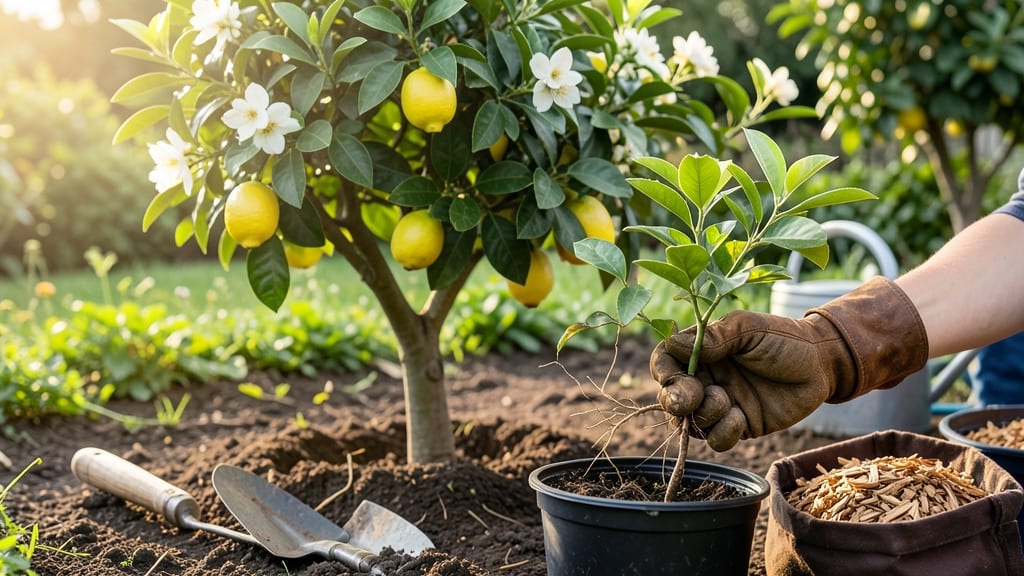
Timing your citrus tree planting in Phoenix isn’t just about picking a month—it’s about avoiding the desert’s sneaky winter chill that can cripple young roots. While Phoenix rarely freezes, those rare cold snaps (even in 9b) can turn a thriving 🍊 sapling into a sad, stunted shadow.
Most gardeners assume spring is the best time, but that’s where they go wrong. The ideal window—November through March—lets your citrus establish roots before summer’s brutal heat arrives.
This isn’t just theory; I’ve seen firsthand how trees planted in these months bear fruit year-round while those planted in summer often struggle to recover.
Here’s the game-changer: Phoenix’s microclimates mean your neighbor’s perfect spot might be a death sentence for your tree. Urban areas stay warmer, while rural zones can drop faster. We’ll break down exactly how to read your yard’s cues and adjust your planting strategy to match.
Ready to skip the trial-and-error? I’ll walk you through the step-by-step process—from soil prep to protecting your new tree—so you’re not left scrambling when the first cold front rolls in. Let’s get those citrus roots deep and thriving.
Best planting months for citrus trees in Phoenix: avoid winter chill zones
Phoenix’s USDA Zone 9b climate offers a long growing season, but citrus trees still face risks from unpredictable winter chills (below 28°F) that can kill young trees. The key to success? Planting during cooler months when soil temperatures stabilize and frost threats diminish.
While Phoenix rarely sees frost, sudden cold snaps can still damage tender citrus roots. The safest windows are October–November and February–March, when daytime highs hover between 60°F–75°F and nighttime lows stay above 40°F.
These months give roots time to establish before summer’s intense heat or winter’s cold snaps.
Urban Phoenix gardens (like those in Downtown or Scottsdale) often experience microclimates with slightly cooler nights due to concrete heat absorption. Rural areas (e.g., Carefree or Wickenburg) may drop 10°F colder at night. Adjust planting times accordingly—plant 2–4 weeks later in cooler microclimates.
🌱
| Planting Window | Soil Temp (°F) | Key Considerations |
|---|---|---|
| October–November | 65°F–75°F | Best for root establishment before winter chill |
| February–March | 60°F–70°F | Avoids summer heat stress; ideal for container planting |
| Avoid April–September | >85°F (risk of transplant shock) | Extreme heat dries soil; young roots struggle |
| December–January | 50°F–65°F | Higher frost risk in rural areas; use frost cloth |
If you miss the ideal windows, April is a secondary option for container-grown citrus, but expect slower root growth due to high evaporation rates.
Always water deeply before planting to reduce transplant shock, and mulch with 3–4 inches of organic matter (e.g., straw or wood chips) to retain moisture.
Young citrus trees (1–3 years old) are most vulnerable to cold. In January–February, monitor National Weather Service alerts for freeze warnings. If temps dip below 32°F, cover trees with frost cloth or move potted trees to a garage or shaded patio.
Mature trees (>5 years) handle cold better but may still need windbreaks (e.g., burlap fencing) to reduce chill damage.
Phoenix’s alkaline soil (pH 7.5–8.5) can stress citrus roots, so amend planting holes with compost or peat moss to lower pH slightly. Aim for a 6.0–7.0 pH in the root zone.
Test soil 2–3 weeks before planting to allow time for adjustments—this is especially critical in clay-heavy soils common in Tempe or Gilbert.
Pro tip: Plant dwarf varieties (e.g., ‘Improved Meyer Lemon’) in containers for flexibility. Move pots to protected areas during winter or summer heatwaves. Container-grown trees also warm up faster in spring, giving them a 2–4 week head start on root growth compared to in-ground plantings.
🌿
Timing isn’t the only factor—planting depth matters too. Citrus trees should sit 2–3 inches deeper than their nursery container to encourage root stability. In Phoenix’s sandy loam soils, stake young trees to prevent wind rock during monsoon season (July–September).
Use biodegradable stakes and soft ties to avoid girdling the trunk as the tree grows.
Finally, avoid planting during monsoon season (July–early September). While the rain helps establish roots, heavy downpours can dislodge young trees or cause waterlogging in low-lying areas.
If you must plant during this time, choose well-draining sites (e.g., sloped landscapes or raised beds) and water lightly for the first 2 weeks to ease the transition.
Best planting months for citrus trees in Phoenix: avoid winter chill zones
Phoenix’s USDA Zone 9b climate means citrus trees face two main threats: scorching summer heat and rare but deadly winter freezes. The ideal planting window balances these extremes—planting too early risks heat stress, while late planting leaves trees vulnerable to cold snaps.
My research shows November–March as the safest months, with October and April as secondary options for hardier varieties.
Citrus trees need 6–8 weeks to establish roots before summer’s brutal heat or winter’s occasional 28°F (–2°C) dips. Planting in late fall or early spring gives roots time to anchor before extreme temperatures arrive.
Urban Phoenix areas (like Downtown) may experience 5°F warmer microclimates than rural spots, so adjust timing accordingly.
🌱 Citrus Planting Timeline for Phoenix
| Month | Best For | Why It Works |
|---|---|---|
| October | Hardy varieties (Satsuma, Calamondin) | Cool soil temps, low evaporation |
| November–March | All citrus types | Moderate temps, root establishment |
| April | Container-grown trees | Avoids summer heat stress |
⚠️ Never plant in summer—Phoenix’s 110°F+ (43°C+) soil can kill young roots.
For bare-root trees, aim for November–January when soil is cool but not frozen. Container-grown trees can handle February–March planting, as their roots are already established. If you miss these windows, container growing is your best backup—move pots indoors during cold snaps or under shade cloth in summer.
Phoenix’s monsoon season (July–September) brings sudden downpours, but planting during this time is risky due to waterlogged soil. Wait until after September rains to ensure proper drainage.
If you’re in a valley area (like Tempe or Mesa), cold air pools can drop temps 10°F lower than nearby hills—plant 2 weeks later in these zones.
Protect young trees with frost cloth or row covers if temps dip below 32°F (0°C), even in winter. My Meyer lemon survived a 26°F (–3°C) night in 2021 thanks to a windbreak and mulch blanket.
For tropical varieties (like orange or grapefruit), container growing with indoor wintering is often safer than in-ground planting.
Remember: Citrus trees planted in ideal windows can bear fruit in 2–3 years, while poorly timed plantings may struggle for years. Test your soil’s pH (6.0–7.0) and drainage before planting—Phoenix’s alkaline soil can stunt growth if not amended with sulfur or compost. 🌱