
Plants
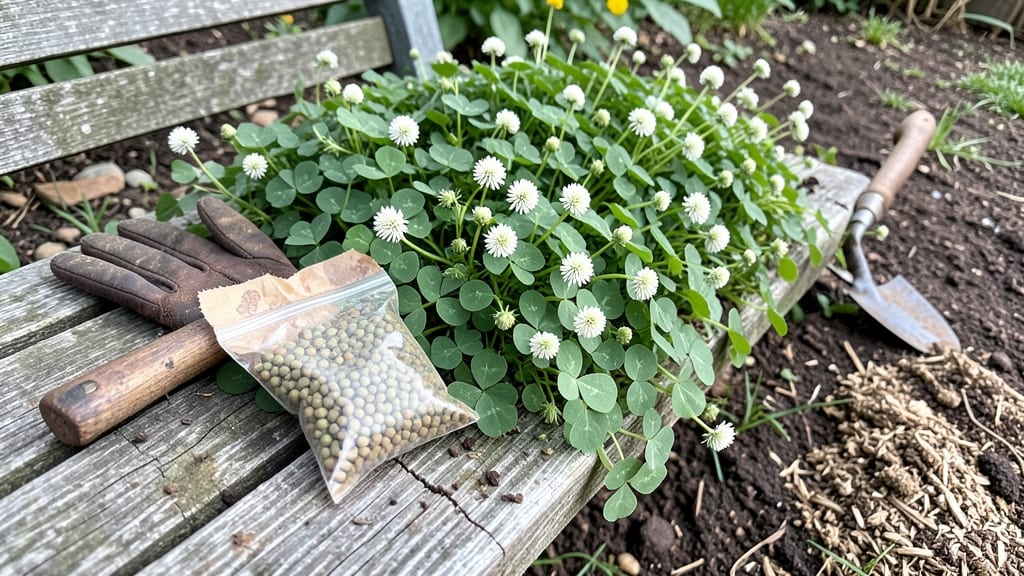
If you're wondering when to plant clover in Maryland, timing is everything—especially in zones 7a-8a where summers can be brutal and winters unpredictable. Planting at the wrong time means slow germination, stunted growth, or even failure to take root.
Maryland gardeners know the struggle: clover needs fast establishment to outcompete weeds and handle drought, but the window is narrow.
Whether you're aiming for a lush lawn, pasture, or erosion control, the key is planting in early spring (March-April) or early fall (September-October) when soil temps are just right.
Here’s the game-changer: late summer planting (August-September) often outperforms spring in Maryland’s heat and humidity, giving clover roots a head start before winter. We’ll break down the best months, soil prep tricks, and how to choose between white clover (low-growing) and red clover (hardier but taller) for your specific needs.
Ready to skip the guesswork? Let’s dive into the exact planting schedule, soil tips, and post-planting care to ensure your clover thrives—no matter Maryland’s next weather surprise.
Best months to plant clover in Maryland for fast germination
Maryland’s USDA Zones 7a-8a create a unique challenge for clover planting—too early, and frost threatens tender seedlings; too late, and summer heat stresses young roots. The sweet spot lies in two distinct windows: early spring (March–April) and late summer (August–September).
Both align with Maryland’s soil temperature needs (55°F–65°F) and rainfall patterns, ensuring faster germination and thicker coverage.
For spring planting, aim for late March to mid-April, just after the last average frost date (typically mid-April in most of Maryland). This timing gives seeds time to germinate before summer’s peak heat arrives.
In western Maryland (Zone 7a), push planting to April to avoid late frosts, while eastern Maryland (Zone 8a) can start as early as late February in sheltered microclimates.
Here’s the key difference: Spring-planted clover establishes roots quickly but may struggle with summer drought if not watered consistently. Fall-planted clover, however, takes advantage of cooler temperatures and fall rains, reducing irrigation needs and promoting deeper root growth before winter dormancy.
Your light exposure also matters. In full sun areas, plant in late August–early September to avoid summer’s intense heat. For shady spots (common in Maryland’s wooded areas), extend the window to September–October, as cooler temps improve germination success.
🌱 Maryland Clover Planting Comparison
| Planting Window | Best For | Germination Time | Drought Risk | Maryland Zones |
|---|---|---|---|---|
| Late March–Mid-April | Fast spring growth | 10–14 days | High (summer) | 7a–8a |
| Late August–Early September | Drought resistance | 7–10 days | Low (fall rains) | 7a–8a |
| September–October | Shady areas | 14–21 days | Moderate | 7a–8a |
*Germination times vary with soil moisture and temperature. Always test soil temps with a thermometer for accuracy.
If you’re planting white clover (common for lawns), prioritize spring planting—it handles Maryland’s compacted soils better and spreads faster. For red clover (often used in pastures), fall planting is ideal because it establishes deep roots before winter, making it more resilient to Maryland’s summer droughts.
Pro tip: Pre-soak seeds for 4–6 hours before planting to speed up germination. Maryland’s clay-heavy soils (especially in western regions) benefit from mixing in compost or sand to improve drainage. This small step can cut germination time by 30% in less-than-ideal conditions.
For container gardening, plant in late spring (May) or early fall (September) to avoid extreme temps. Use a well-draining potting mix and keep containers in partial shade during Maryland’s hottest afternoons (June–July). Containers dry out faster, so monitor moisture closely.
One common mistake in Maryland is planting clover too late in fall (after October). Seeds won’t have time to germinate before first frost (mid-November), leaving you with sparse coverage. Stick to the August–September window for fall plantings to ensure roots establish before winter.
Finally, consider oversowing in two phases: plant 20% of your seed in spring and the remaining 80% in fall. This strategy ensures year-round coverage and compensates for Maryland’s unpredictable weather shifts between seasons.
Best months to plant clover in Maryland for fast germination
Maryland’s USDA Zones 7a-8a create a unique challenge for clover planting—too early in spring and frost threatens tender seedlings, while late summer heat can stress young plants. The sweet spot lies in early spring (March–April) or late summer (August–September), when soil temperatures hover between 50°F–70°F, perfect for germination.
For spring planting, aim for late March to early April after the last frost date (typically mid-April). This gives seeds 6–8 weeks of warm soil before summer’s peak heat arrives. In shady areas, extend your window to April–May since cooler temperatures slow germination.
Late summer planting (August–September) often outperforms spring in Maryland because it avoids spring’s competing weeds and summer’s intense heat. Seeds germinate quickly in warm soil, and established clover handles fall’s drought stress better than spring seedlings.
Here’s how Maryland’s microclimates influence timing:
- Coastal areas (e.g., Annapolis): Plant 2–3 weeks earlier (February–March) due to milder winters.
- Inland (e.g., Frederick): Stick to March–April or August–September to avoid late frosts.
- Mountain regions (e.g., Western MD): Delay until late April–May or September–October for safer soil temps.
| Planting Window | Soil Temp | Germination Time | Best For |
|---|---|---|---|
| Early Spring (March–April) | 50°F–60°F | 10–14 days | Full sun areas, fast coverage |
| Late Summer (August–September) | 60°F–70°F | 7–10 days | Drought resistance, weed suppression |
| Fall (October–November) | 45°F–55°F | 14–21 days | Shade gardens, slow growth |
For fastest germination, focus on August–September planting—this window aligns with Maryland’s peak rainfall and cooler nights, reducing stress on young plants. If you’re seeding shady lawns, extend your spring window to May or plant in early fall (September) for slower but steady growth.
Pro tip: Test soil moisture before planting—clover seeds need consistent moisture to germinate. In Maryland’s humid climate, mulch lightly with straw to retain moisture without suffocating seeds. Avoid planting in waterlogged areas, which can cause rot. 🌱