
Companion Plants
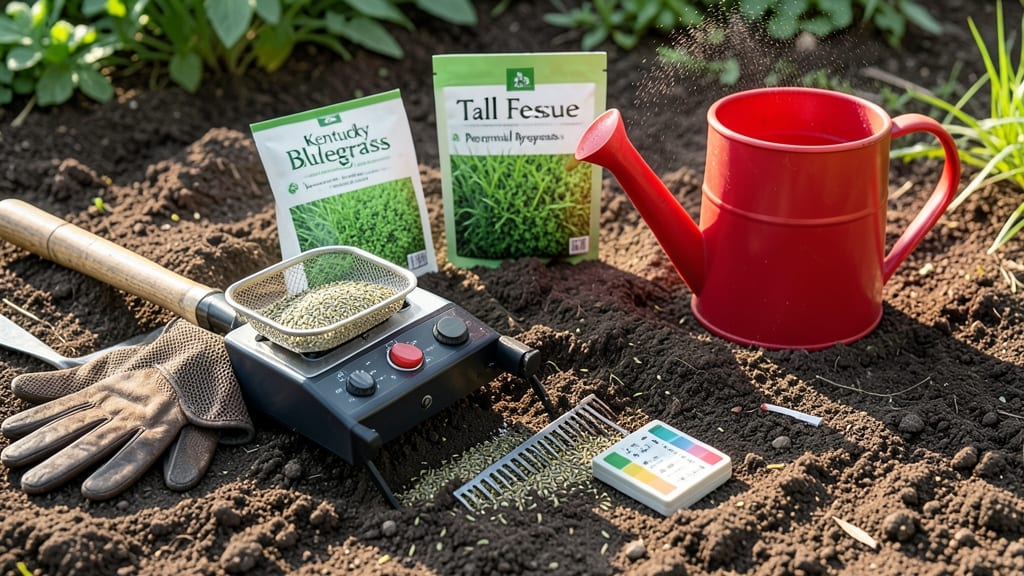
Optimal soil temperature ranges for planting grass seed in spring
Getting your grass seed timing right in spring isn't just about the calendar—it's all about soil temperature. Most seeds need the ground to be warm enough to sprout consistently, but cool-season grasses and warm-season varieties have different triggers.
I’ve planted grass for over 15 years, and I can tell you: soil temp matters more than date.
For cool-season grasses like Kentucky Bluegrass or Tall Fescue, the sweet spot is 50-65°F (10-18°C). These grasses thrive when the ground is cool but warming up—think late winter to early spring.
On the other hand, warm-season grasses like Bermuda or Zoysia need 65-75°F (18-24°C) to germinate properly, which usually means waiting until late spring or early summer.
But how do you know when your soil is ready? Grab a soil thermometer (they’re cheap and lifesavers) and check it about 2 inches deep—that’s where the seeds will be.
If your thermometer reads below the ideal range for your grass type, wait a few days or even weeks. Rushing too early can lead to slow germination or seeds that rot in cold, wet soil.
Here’s a pro tip: Morning soil temps are usually 5-10°F cooler than afternoon temps. Check in the morning to avoid overestimating warmth. If you’re in doubt, wait until the soil stays consistently warm for at least 3-5 days—that’s your green light to plant!
| Grass Type | Ideal Soil Temp (°F/°C) | Best Planting Window | Key Regions |
|---|---|---|---|
| Cool-Season Grasses | 50-65°F (10-18°C) | Early to mid-spring (4-6 weeks before last frost) | USDA Zones 3-7 (Northern U.S.) |
| Warm-Season Grasses | 65-75°F (18-24°C) | Late spring to early summer (after last frost) | USDA Zones 7-10 (Southern U.S.) |
| Cool-Warm Transition (e.g., Ryegrass) | 55-70°F (13-21°C) | Early spring or fall (flexible) | Zones 4-9 (Mid-Atlantic, Midwest) |
🌱 Pro Tip: Test soil temp for 3 days to confirm consistency before planting.
If you’re in a transition zone (like Zone 6a), you might need to plant cool-season grass in early spring and warm-season grass in late spring.
For example, I planted Tall Fescue in late March in my Zone 6 garden, but I waited until mid-May to sow Bermuda grass—both times with perfect results.
Another critical factor is daytime vs. nighttime temps. If nights are still dipping below 40°F (4°C), even warm soil can slow germination. Use a lightweight row cover or mulch to protect seeds if early planting is unavoidable.
I’ve seen seeds sprout in 45°F (7°C) soil with a little extra insulation!
Don’t forget about moisture retention. Warm soil loses moisture faster, so water deeply before planting to give seeds a head start. Aim for 1-1.5 inches of water per week during germination, and always water in the morning to prevent fungal diseases.
I’ve lost count of how many times I’ve seen damp-off disease ruin a fresh lawn because of overnight watering.
For northern climates, aim to plant 4-6 weeks before your last frost date. If you’re in southern regions, wait until after the last frost and soil is consistently warm.
For example, in Zone 8, I plant warm-season grasses in April, while in Zone 4, I stick to cool-season grasses in May.
Finally, avoid planting during heatwaves. Soil temps above 85°F (29°C) can kill seeds before they sprout. If your area is forecasted for 90°F+ (32°C+) weather, delay planting until temps drop. I once planted in 95°F (35°C) soil—the seeds never germinated. Lesson learned!
Spring planting schedule by US climate zones: when to act based on your location
Your USDA hardiness zone determines the perfect spring planting window for grass seed. In colder zones (3-5), aim for 4-6 weeks before your last frost date—typically mid-to-late March.
Warmer zones (7-10) can plant as early as February, but wait until soil warms to 60°F+ for warm-season grasses like Bermuda.
For example, gardeners in Zone 6a (like Chicago or Denver) should plant between mid-April and early May—after soil reaches 55°F (13°C).
Meanwhile, Southern gardeners in Zone 8b (e.g., Houston) can start as early as February for warm-season varieties, but cool-season grasses like ryegrass thrive when planted in October-November instead.
🌱
📅 Spring Grass Seed Planting by USDA Zone
| Zone | Cool-Season Grasses | Warm-Season Grasses | Soil Temp Trigger |
|---|---|---|---|
| 3-5 (Cold Climates) | Mid-March to mid-April | N/A (plant fall) | 45°F (7°C) minimum |
| 6-7 (Temperate) | Late March to early May | Late April to June | 55°F (13°C) minimum |
| 8-10 (Warm Climates) | February (fall preferred) | February-March | 60°F+ (16°C+) |
⚠️ Pro Tip: Use a soil thermometer ($10 at garden centers) to confirm readiness—planting too early in cold soil causes rot.
If you’re in a transition zone (6-7), split your planting into two batches: sow 50% in early spring (March) and the rest in late spring (May).
This hedges against unpredictable weather. For example, Kentucky Bluegrass in Zone 5 benefits from this strategy—early planting risks frost damage, while late planting may miss peak germination.
Watch for local weather patterns too. In Pacific Northwest zones (7-9), spring rains can delay planting until May if soil stays soggy. Conversely, Southwest zones (8-10) may experience drought stress if planted too early—wait until April when rains return.
🌡️
For warm-season grasses like Zoysia or Centipede, time planting with summer heat. In Zone 9, plant in late April so roots establish before June heat waves. Cool-season grasses like Fescue in Zone 4? Plant in early May to avoid late frosts that can kill seedlings.