
Companion Plants
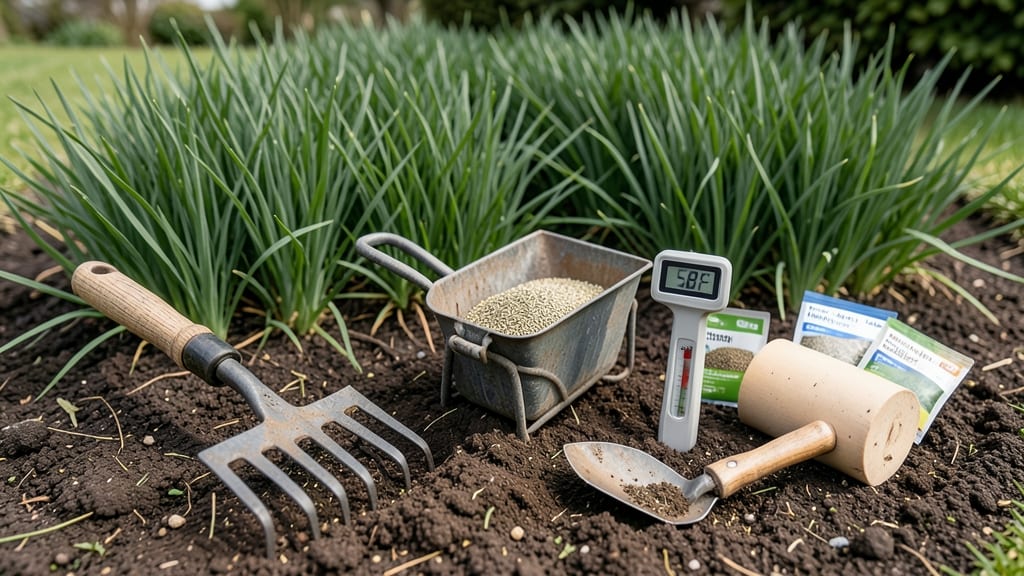
Timing your grass seed planting in Pennsylvania’s unpredictable spring climate can mean the difference between a lush, green lawn and wasted effort. With USDA zones 5-7 and fluctuating frost dates, getting it right is the key to success.
You don’t want to rush too early when frost is still lurking or wait too long and miss the optimal window.
Most Pennsylvania gardeners plant their 🌱 lawn grass in early spring, but the exact timing depends on soil temperatures and regional microclimates. Cool-season grasses like Kentucky bluegrass and fescue thrive when the ground warms to 55-65°F, which typically happens between late March and early April.
Waiting until after the last frost date—usually around April 15—gives your seed the best chance to establish strong roots.
If you’re eager to get started, there are a few pro tips to keep in mind. First, test your soil temperature with a simple thermometer to ensure it’s ready.
Second, prepare your soil by removing debris and leveling the area for even growth. These small steps can make a big difference in how quickly your lawn takes hold.
Ready to transform your yard? Let’s break down the best soil temperatures, frost-free timelines, and preparation steps so you can plant with confidence. By following these guidelines, you’ll be well on your way to a vibrant, healthy lawn that stands up to Pennsylvania’s spring challenges.
Optimal soil temperature ranges for planting grass seed in PA spring
Pennsylvania’s spring weather can be as unpredictable as a toddler’s mood—one day sunny, the next freezing. But the soil temperature is the real game-changer for your grass seed. Most cool-season grasses (like Kentucky bluegrass and tall fescue) thrive when soil temps hover between 50°F and 65°F.
Warm-season grasses (like Bermuda) need 70°F+, but they’re rare in PA lawns. Here’s the breakdown:
For cool-season grasses, the sweet spot is 55°F to 60°F. This range ensures seeds germinate quickly without risking frost damage. In PA, this typically aligns with late March to early April in most regions, but soil temps lag behind air temps—so don’t rush!
Use a soil thermometer (only $10) to confirm before planting.
If you plant too early (below 50°F), seeds may rot or sprout too slowly, leaving them vulnerable to late frosts. If you wait too long (above 70°F), germination slows, and drought stress kicks in.
PA’s USDA zones 5-7 add another layer—higher elevations (like the Poconos) stay cooler longer, while cities (like Philadelphia) warm up faster.
🌱 Pro Tip: Test soil temps at 4-inch depth in the morning—this mimics where seeds will be. If temps dip below 50°F at night, wait a week or two.
🌱 Grass Seed Soil Temp Guide for PA Spring
| Grass Type | Ideal Soil Temp | PA Planting Window | Risk Below 50°F |
|---|---|---|---|
| Kentucky Bluegrass | 55°F–65°F | Late March–Early April | Frost damage, slow germination |
| Tall Fescue | 50°F–60°F | Early April–Mid-April | Rot risk, weak roots |
| Fine Fescue | 45°F–55°F | Late March–Early April | Dormancy if too cold |
| Bermuda (Warm-Season) | 70°F+ | Late May–June | Poor germination |
*PA’s microclimates (urban vs. rural) can shift these windows by 1–2 weeks. Always verify with a soil thermometer!
PA’s western regions (like Erie) often hit ideal temps 1–2 weeks earlier than the eastern mountains (e.g., Scranton). Check local Almanac frost data or ask your county extension office for hyper-local advice.
For example, Pittsburgh might be ready by mid-March, while State College could wait until early April.
Another trick? Mulch lightly after planting with straw or peat moss—this keeps soil temps stable and moisture high. Avoid thick layers, though, or you’ll smother sprouts. Think of it like a cozy blanket for your seeds, not a burial shroud.
Finally, remember that evening soil temps matter more than daytime highs. If nights drop below 50°F, your seeds are in the danger zone. Use a row cover or garden fabric for extra protection if frost is forecasted within 5–7 days of planting.
✂️ Key Takeaway: Plant when soil temps consistently stay above 50°F for 5+ days, and you’ll give your grass the best shot at thriving. Rushing leads to regret—and no one wants a brown, patchy lawn by summer.
PA spring frost-free timeline: when to avoid late freezes
Pennsylvania’s spring weather can be as unpredictable as a rollercoaster ride—one day sunshine, the next a surprise frost. To plant grass seed successfully, you need to time it right and avoid those sneaky late freezes that can kill tender new sprouts.
The key is understanding your local frost-free timeline and how Pennsylvania’s diverse regions differ.
Most of Pennsylvania falls within USDA Hardiness Zones 5-7, but even within these zones, frost dates vary dramatically. For example, Philadelphia’s last frost typically arrives around April 15, while higher elevations in the Poconos might still see frost as late as May 10.
Knowing these dates helps you plant grass seed when the soil is warm enough but before summer’s scorching heat sets in.
If you’re unsure about your local frost dates, check the National Weather Service or use the USDA Plant Hardiness Zone Map as a starting point. For extra safety, consider using frost cloth or a seed blanket if you plant early and a late frost threatens.
These simple tools can protect your new grass from damage and give it the best chance to establish strong roots.
Don’t forget that microclimates play a huge role. A south-facing slope warms up faster than a shady backyard, and urban areas often stay warmer than rural ones. Pay attention to these details, and you’ll be well on your way to a thriving lawn without the heartbreak of frost damage. 🌱
For the best results, aim to plant grass seed 4-6 weeks before your area’s average last frost date. This gives your grass enough time to germinate and grow a strong root system before summer’s heat kicks in.
If you’re in a cooler region like the Poconos, you might even consider waiting until late April or early May to avoid frost entirely. 🌡️