
Plants
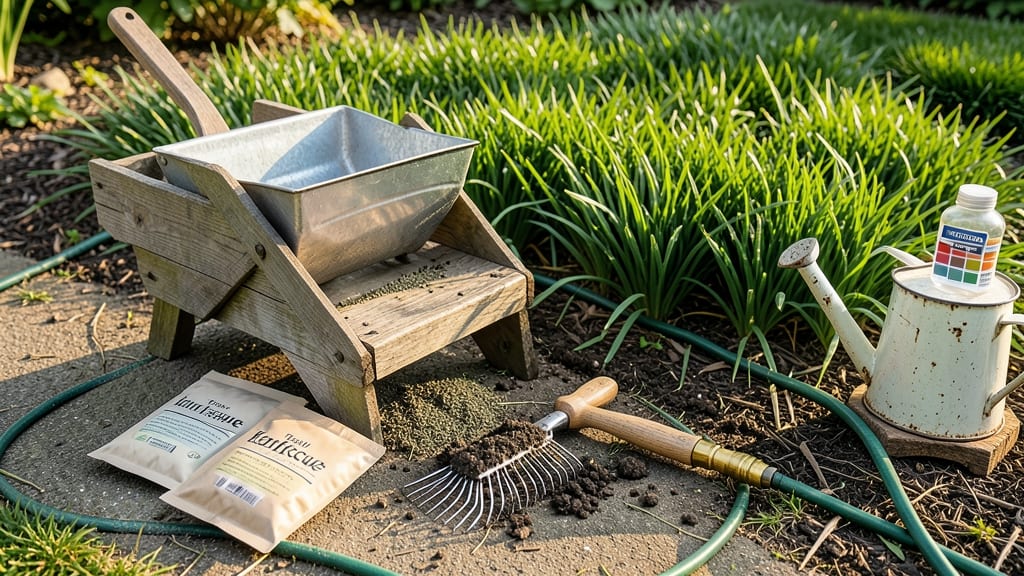
Planting grass in Massachusetts spring isn't just about waiting for warmer weather—it's about understanding exactly when the soil and air align to give your lawn the best possible start.
With USDA zones 5b-6b bringing unpredictable frost patterns, getting the timing wrong can leave you with patchy, slow-growing grass that never quite reaches its full potential.
I've seen firsthand how a just-right window—typically between late March and early May—can transform a struggling lawn into something vibrant by summer. But here's the catch: coastal areas like Cape Cod might be ready weeks earlier than inland spots near Worcester, where cold air lingers longer.
The key isn't just watching the calendar; it's paying attention to soil temperature and local microclimates.
In this guide, I'll walk you through the precise timing based on real Massachusetts data, plus the grass types that thrive here and how to prepare your soil for success.
Whether you're seeding a new yard or overseeding an existing one, these insights will help you avoid common mistakes that derail even the best-laid plans.
Let's cut through the guesswork so you can plant with confidence—and enjoy that lush, green lawn all season long.
Massachusetts frost-free dates by Zone: the exact window to plant cool-season grass
Massachusetts spans USDA hardiness zones 5b through 7a, which means frost dates vary dramatically from the coastal regions (like Cape Cod) to inland areas (like the Berkshires). For cool-season grasses like Kentucky bluegrass or Tall Fescue, planting too early risks frost damage, while waiting too long delays establishment.
The ideal planting window is 4-6 weeks before your last average frost date, but soil temperature matters just as much.
To pinpoint your exact window, check the NOAA Climate Normals or the Old Farmer’s Almanac for your specific zip code. Coastal areas (zones 6a-7a) typically see their last frost around April 15-20, while inland zones (5b-6a) often wait until May 1-10.
Planting too early can leave seedlings vulnerable to late frosts, while waiting too late risks summer drought stress before roots establish.
For example, if your last frost date is April 25, aim to plant between March 15 and April 10. This timing gives seeds time to germinate before summer heat arrives.
Always verify with local weather data—2023 saw late frosts in early May in many inland areas, catching gardeners off guard.
| USDA Zone | Last Frost Date | Ideal Planting Window | Grass Variety Recommendation |
|---|---|---|---|
| 6a-7a (Coastal) | April 15-20 | March 1-15 | Tall Fescue (best drought tolerance) |
| 5b-6a (Inland) | May 1-10 | March 20-April 15 | Perennial Ryegrass (fast germination) |
| 5b (Northern MA) | May 15-25 | April 1-15 | Fine Fescue (shade-tolerant) |
Microclimates add another layer of complexity. A south-facing slope warms up faster than a north-facing yard, so adjust your timeline accordingly. For example, if your yard sits in a frost pocket (common in valleys), err on the side of planting later to avoid late-season frosts.
Conversely, urban heat islands can push soil temperatures up earlier—monitor with a soil thermometer (ideal germination range: 50–65°F).
Another critical factor is soil preparation. Cool-season grasses thrive in well-draining, slightly acidic soil (pH 6.0–7.0). Test your soil in early spring—if it’s compacted or clay-heavy, amend with compost or sand at least 2 weeks before planting.
This step is often overlooked but can make or break your lawn’s success, especially in wet springs like 2022, when poor drainage led to fungal issues.
For gardeners in Zone 6a or warmer, consider a two-stage planting approach: sow a fast-germinating variety like Perennial Ryegrass in early spring, then overseed with Kentucky Bluegrass in early fall. This strategy leverages the cool, moist conditions of fall for deeper root growth before winter.
In colder zones (5b), focus on Tall Fescue blends, which handle frost better and establish more slowly but stay green longer into autumn.
Pro tip: Use row covers or straw mulch to protect newly planted seeds if a late frost is forecast. Even a 28°F night can kill young grass, so don’t skip this step if your weather service predicts unseasonably cold temperatures.
Monitor your local National Weather Service alerts in the weeks leading up to planting—2020’s late April frost in Western MA wiped out many early sowings.
Finally, avoid the common mistake of planting based on calendar dates alone. Instead, combine frost data, soil temperature, and local weather patterns for a foolproof timeline.
For instance, if your soil hits 55°F by March 20 but frost is still possible, use row covers until the risk passes. This precision ensures your grass gets the head start it needs to outcompete weeds by summer.
🌱
Soil temperature triggers for grass seed germination: what to watch beyond frost dates
Timing your grass planting isn’t just about avoiding frost—it’s also about understanding soil temperature triggers. Cool-season grasses like Kentucky bluegrass and fescue need soil temps between 50–65°F to germinate properly.
Planting too early when the ground is still cold can leave seeds dormant or even rot, while waiting too long risks summer heat stress.
Use a soil thermometer to check depth (2–4 inches down). If temps hover below 50°F, germination slows dramatically. In Massachusetts’ coastal areas, soil warms faster than inland zones, so adjust your schedule accordingly.
For example, Boston’s spring soil often hits 55°F by early April, while Western MA may lag until late April.
🌱
🌡️ Key Soil Temp Triggers for Grass Germination
Minimum for germination
Optimal for fast sprouting
Risk of heat stress
Pro Tip: If soil temps are too cold, use a lightweight mulch (straw or peat moss) to retain warmth without smothering seeds.
Avoid these common mistakes that stall germination: overwatering (which cools soil), planting on waterlogged ground, or using seeds that are too old (older than 1 year). Even if frost dates pass, cold, wet soil can delay sprouts by weeks.
For example, I once planted tall fescue in early April in Worcester, but heavy rains kept soil temps below 50°F for 3 weeks—my lawn took 6 weeks to establish instead of the expected 3.
To accelerate growth, try these tricks: Lay down row covers or black plastic mulch for 1–2 weeks before planting to warm the soil. Or, mix compost into the top 2 inches of soil to improve heat absorption.
Just avoid tilling when soil is damp—this can create a cloddy texture that blocks root growth.
If your seeds haven’t sprouted in 2–3 weeks, dig up a few to check for rot (black/mushy) or dormancy (hard but intact). Adjust watering—deep but infrequent watering (1 inch per week) works better than daily light sprinkles.
And remember: shade-loving grasses like fine fescue germinate slower, so give them extra patience in wooded or north-facing areas.
💧