
Plants
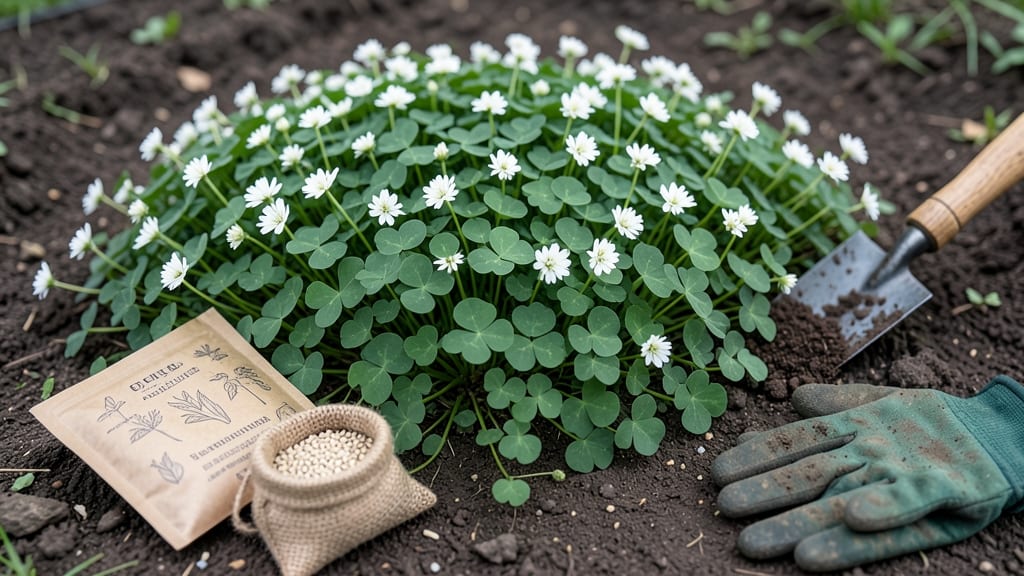
Planting clover in Minnesota at the wrong time means watching your hard work freeze before it even takes root—but get the timing right, and you’ll have a lush, frost-resistant lawn that thrives year after year.
With Minnesota’s USDA zones 3b-5a and unpredictable frost dates, knowing when to plant is the key to success.
The best windows for planting 🌱 clover in Minnesota are early spring (March-April) or early fall (August-September), when soil temperatures hit that sweet spot of 50°F or warmer. This ensures seeds germinate before the first frost hits in mid-October, giving your clover the best chance to establish strong roots.
Whether you’re in the Twin Cities or up in the 3b zone, microclimates play a huge role in planting success. Urban areas with heat islands may have slightly earlier planting opportunities, while rural spots near lakes might need a little extra patience.
I’ll break down exactly how to adjust your timing based on where you live.
Ready to transform your lawn? Let’s dive into the exact planting schedule that works for Minnesota’s climate, so you can enjoy that vibrant green clover all season long—no matter how many frost warnings pop up.
Minnesota’s frost zones & ideal clover planting windows by month
Minnesota’s USDA hardiness zones 3b-5a create unique challenges for clover growers, but understanding frost-free dates and microclimates can transform your success rate. The last spring frost typically hits mid-April in southern Minnesota, while northern regions may wait until late May—a 6-week difference that impacts planting timing.
For spring planting, aim to sow clover seeds 2-4 weeks before your last frost date. This gives young plants time to establish roots before late spring frosts—common in Minnesota’s Zone 4 areas.
In Zone 5, you can start as early as late March, while Zone 3 gardeners should wait until mid-April.
Fall planting offers another window, with early September being ideal in southern Minnesota and mid-September for northern areas. Seeds planted in fall benefit from cool soil temperatures and establish roots before winter dormancy, giving you a head start in spring.
Here’s how Minnesota’s three major regions align with planting windows:
| Region | USDA Zone | Spring Planting Window | Fall Planting Window | Key Consideration |
|---|---|---|---|---|
| Southern MN (Twin Cities) | Zone 4b-5a | Late March–Early April | Early–Mid September | Warmer microclimates near cities |
| Central MN (St. Cloud) | Zone 4a-4b | Mid-April–Early May | Mid–Late September | Cooler nights, shorter growing season |
| Northern MN (Duluth) | Zone 3b-4a | Late April–Early May | Late August–Early September | Longer frost risk, shorter season |
| All Regions | - | Soil temp ≥50°F | 6-8 weeks before first frost | Use soil thermometer for accuracy |
For white Dutch clover, the most frost-tolerant variety, you can push spring planting to early March in Zone 5 if you use row covers. However, red clover and alsike clover prefer warmer soil and should wait until mid-April in most of Minnesota.
Pro tip: Check the MN State Climatology Office for local frost date averages—these can vary by 1-2 weeks even within the same city. For example, Minneapolis might see its last frost on May 10, while St. Paul could be May 15.
If you’re planting for pollinators, aim for early spring to provide early-season nectar. For soil improvement, fall planting helps break down organic matter over winter, enriching soil for next year’s crops.
Always test your soil temperature before planting—50°F is the minimum for germination. Use a soil thermometer ($10 at garden centers) to avoid guessing. In Zone 3, wait until soil reaches 55°F for reliable germination.
Remember: Clover is a perennial, so establishing it correctly in its first year means years of low-maintenance ground cover. Don’t rush—patience with timing pays off with dense, frost-resistant growth.
How to adjust planting dates for Minnesota microclimates (urban vs. rural)
Minnesota’s microclimates can shift planting windows by weeks, especially when comparing urban heat islands to rural farmland. Cities like Minneapolis often experience earlier spring warmth due to concrete absorbing heat, while northern regions like the Iron Range may face delayed thawing by 2-3 weeks.
Always adjust your clover planting dates based on your specific location’s frost history.
For urban gardens, start seeds indoors by late February or sow directly in early April once soil reaches 50°F. Rural areas should wait until mid-April to avoid late frosts. Use a soil thermometer to confirm readiness—clover roots struggle in cold, wet soil.
Lake-effect zones near Lake Superior or Lake Minnesota can create localized frost pockets. Plant red clover in these areas 2 weeks later than recommended timelines, as cold air settles overnight. Monitor local weather forecasts for "black frost" warnings, which can kill young seedlings.
Microclimate Warning
Urban heat islands can trick you into planting too early—late frosts in May still occur. Rural areas may need fall planting pushed to late August to avoid early snow. Always verify with your local USDA frost map or MN DNR climate data.
Pro Tip: Use frost-free date calculators like the MN State Climatology Office tool to input your ZIP code for precise timing.
Northern Minnesota (USDA Zone 3b-4a) should prioritize fall planting (August) over spring. Clover seeds sown in late summer establish roots before winter, giving them a 30% survival advantage over spring-planted varieties.
Southern regions (Zone 5a) can attempt both spring and fall plantings but must monitor soil moisture closely—drought stress reduces frost hardiness.
Adjust spacing based on microclimate: urban gardens with compact soil can plant white Dutch clover every 6 inches, while rural fields should space seeds 12 inches apart to prevent competition. Mulch with straw in fall-planted beds to insulate roots during early winter thaws.
Always test your soil pH before planting—clover thrives in 6.0-7.0 range. Urban soils often test higher (alkaline) due to concrete runoff, while rural soils may be too acidic from pine needles. Amend with lime or sulfur as needed to avoid stunted growth.
Track your success with a planting journal! Note whether your local microclimate aligns with regional averages or deviates. Over time, you’ll refine your clover planting dates to match your unique Minnesota growing conditions. 🌱