
Plants
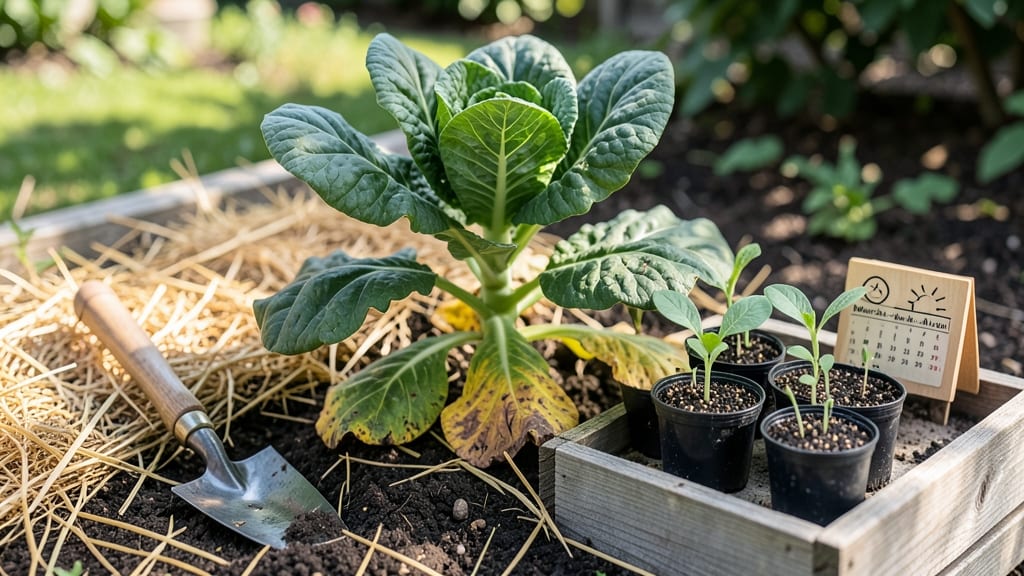
Best planting months for collard greens in Georgia’s climate zones
Georgia’s USDA zones 7b-8a offer two prime windows for planting collard greens: spring and fall. The key is aligning your schedule with soil temperatures and frost-free dates to avoid cold damage while maximizing harvests.
In most of Georgia, this means starting seeds 4-6 weeks before your last frost date—typically mid-March for North Georgia and late February for Coastal Plains.
For fall planting, aim to sow seeds 8-10 weeks before your first frost, which usually lands in late August to early September. This timing ensures collards mature before winter sets in but still benefit from cooler temperatures, which actually improve their flavor.
Georgia’s long growing season (210-240 frost-free days) makes both windows viable, but regional microclimates—like the Piedmont’s cooler nights or the Coastal Plain’s humidity—can shift ideal dates by 2-3 weeks.
| Planting Window | USDA Zones | Soil Temp | Key Notes |
|---|---|---|---|
| Spring (Direct Sow) | 7b-8a | 50-60°F | Plant March-April; avoid frost by using row covers if needed. |
| Spring (Transplant) | 7b-8a | 55-65°F | Transplant April-May after last frost; harden off seedlings first. |
| Fall (Direct Sow) | 7b-8a | 60-70°F | Sow August-September for harvests before first frost; ideal for winter storage. |
| Fall (Transplant) | 7b-8a | 55-65°F | Transplant July-August; choose fast-maturing varieties for late harvests. |
In North Georgia (zones 7a-7b), where frosts can linger into April, delay spring planting until mid-April to avoid cold damage. Meanwhile, the Coastal Plain (zones 8a-8b) can start as early as late February thanks to warmer soils.
For both regions, soil temperature is your best guide: collard seeds germinate best when soils reach 50-60°F, but transplants prefer 55-65°F for faster establishment.
Pro tip: Use a soil thermometer to monitor temperatures—especially in sandy soils (common in South Georgia) that warm up faster. If your soil is still cool in March, opt for transplants instead of direct sowing to jumpstart growth.
This is particularly useful in the Piedmont region, where clay-heavy soils retain cold longer.
For year-round harvests, stagger plantings every 2-3 weeks during both spring and fall windows. This ensures a continuous supply of leaves, whether you’re blanching for Southern-style cooking or serving fresh in salads.
In Atlanta’s zone 7b, for example, a March 15 planting will yield harvests by May, while an August 20 sowing will produce leaves until November.
Collards thrive in Georgia’s humidity and heat, but bolt resistance varies by variety. In summer plantings (June-July), choose slow-bolting varieties like ‘Vates’ or ‘Georgia Southern’ to avoid premature flowering. These varieties are bred to handle Georgia’s 90°F+ temperatures without sacrificing yield or flavor.
If you’re planting in June or July, pair collards with shade-tolerant companions like bush beans or Swiss chard to protect them from afternoon sun.
One common mistake Georgia gardeners make is planting collards too late in spring, which leads to bolting before harvest. To avoid this, stick to the March-April window for spring and August-September for fall.
If you’re in a high-altitude area (e.g., Blue Ridge Mountains), err on the side of earlier plantings)—these zones can experience unpredictable late frosts even in May.
For organic gardeners, amend your soil with compost or aged manure 2-3 weeks before planting to improve drainage and nutrient retention. Collards are heavy feeders, so a balanced 10-10-10 fertilizer applied at transplanting and again 6 weeks later will keep them productive.
In sandy soils, add a mulch layer (straw or pine needles) to retain moisture and cool roots during Georgia’s hot summers.
Finally, don’t overlook succession planting—this is how Southern gardeners ensure a steady supply of collards year-round. After your first harvest in May or October, sow a second batch 3-4 weeks later to fill the
Best planting months for collard greens in Georgia’s climate zones
Georgia’s diverse climate zones—from the humid Coastal Plain to the cooler Piedmont—create distinct planting windows for collard greens. In USDA Zones 7b-8a, your best bets are spring and fall plantings, each offering unique advantages.
Spring plantings (March–April) align with rising soil temperatures, while fall plantings (August–September) capitalize on cooling trends before frost. Let’s break down the exact timing for your region.
Soil temperature is your golden rule: collards thrive when soil reaches 50°F or warmer. In North Georgia (Zone 7b), wait until mid-March to early April—after the last frost date (typically March 15). Meanwhile, South Georgia (Zone 8a) can plant as early as February in protected microclimates. For fall, aim for August 1–September 15 to ensure a harvest before late-November frosts.
| Zone & Region | Spring Planting Window | Fall Planting Window | Key Consideration |
|---|---|---|---|
| North GA (Zone 7b) | March 15–April 15 | August 15–September 15 | Use row covers for frost protection |
| Central GA (Zone 8a) | February 28–March 31 | August 1–September 10 | Soil warms faster; plant earlier |
| South GA (Zone 8b) | February 15–March 15 | July 30–August 31 | Longer frost-free season; extend harvests |
For year-round harvests, stagger plantings every 2–3 weeks during your zone’s ideal window. This ensures a steady supply of dark, tender leaves from spring through fall. In North Georgia, where frosts linger, opt for cold-hardy varieties like ‘Georgia Southern’ and plant under floating row covers to push limits.
South Georgia gardeners enjoy a 6-month growing window, but watch for summer bolting if temperatures exceed 90°F.
Pro tip: Test your soil’s pH (6.0–7.0) before planting. Amend with compost or aged manure to improve fertility—collards are heavy feeders and reward rich soil with larger, sweeter leaves. Mulch with straw or pine needles to retain moisture and suppress weeds, especially during Georgia’s hot, humid summers.
Remember, fall plantings often yield the sweetest collards because cooler nights convert starches into sugars. If you’re new to growing collards, start with transplants (available at local nurseries) instead of seeds—they establish faster and reduce the risk of seedling diseases common in Georgia’s damp springs.
Need a backup plan? Container gardening works well for collards, letting you move pots to shadier spots during peak summer heat. Just ensure containers have drainage holes and use a lightweight potting mix to prevent root rot in Georgia’s heavy clay soils. 🌱