
Plants
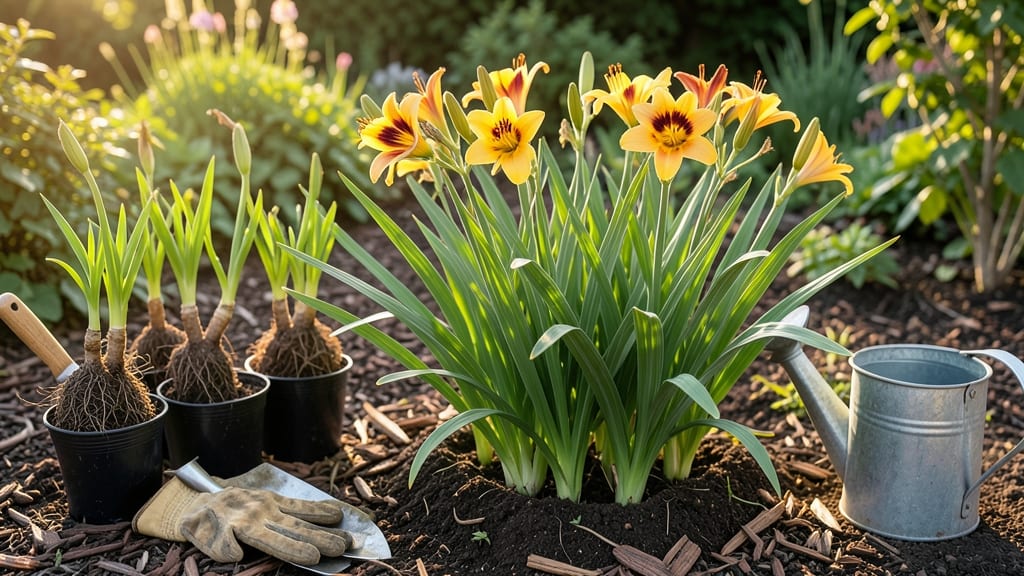
If you're asking "when to plant daylilies in Texas", timing is your secret weapon against the state's brutal summers and unpredictable winters. The 🌸 thrives in Texas' 8a-10b zones, but planting too early risks heat stress, while waiting too long leaves them vulnerable to frost.
Let's cut through the guesswork with a heat-zone-specific schedule that keeps your perennials blooming year after year.
Texas gardeners face unique challenges—from North Texas' late frosts to South Texas' scorching summers. The ideal window? Fall (September-November) or early spring (February-March), when soil temps cooperate and rainfall patterns favor root establishment.
We'll break down exactly when to dig in your region, plus how to prep soil for Texas' heavy clay and variable moisture.
Don't worry if you missed the perfect window—we'll cover how to adapt for late plantings and even year-round strategies for frost-free zones. You'll learn which daylily varieties handle Texas' extremes best, plus mulching and watering hacks that save time and water during 100°F+ summers.
Your zero-frost, maximum-bloom garden starts here.
The key to Texas daylily success? Soil prep and smart scheduling. I'll walk you through exactly what to do—from amending clay soil to choosing the right mulch—to ensure your 🌸 plants grow strong, bloom reliably, and survive Texas' punishing climate. Let's get those roots in the ground the right way.
Texas heat-Zone planting calendar for daylilies (avoiding frost & heat stress)
Texas’ diverse climate—from North Texas’ chilly winters to South Texas’ scorching summers—means daylilies need precise timing to thrive. Unlike cooler states, Texas gardeners must balance avoiding early frost with preventing heat stress during establishment.
The key? Plant when soil temps hover between 60°F–70°F, giving roots time to anchor before summer’s intensity or winter’s freeze.
Daylilies are perennials with a secret weapon: their drought-tolerant roots and heat-resistant foliage. But in Texas, fall planting (September–November) is ideal for most regions, while early spring (February–March) works in South Texas’ warmer zones.
Let’s break down the month-by-month calendar tailored to Texas’ USDA Zones 8a–10b, including regional adjustments for North vs. Central vs. South Texas.
⚠️ CRITICAL NOTE: Texas’ last frost dates vary wildly—February 15 in North Texas vs. April 1 in South Texas. Planting too early in Zone 8a risks frost damage, while Zone 10b gardeners can plant nearly year-round. Always check your local frost-free date before digging in!
Texas Daylily Planting Calendar
| Month | North Texas (Zone 8a) | Central Texas (Zone 8b-9a) | South Texas (Zone 9b-10b) |
|---|---|---|---|
| September | ✅ Best time; soil cools, frost risk drops | ✅ Ideal; avoid late Sept heatwaves | ⚠️ Possible; monitor for humidity/fungus |
| October | ✅ Prime window; 60°F soil temps | ✅ Top choice; balanced temps | ✅ Safe; minimal frost risk |
| November | ✅ Last chance; plant before first frost | ✅ Good; roots establish before winter | ✅ Year-round; frost-free |
| February | ❌ Avoid; frost risk until late Feb | ✅ Early spring; post-last-frost | ✅ Best spring; no frost threat |
| March | ✅ Safe; frost risk minimal | ✅ Good; warm soil speeds growth | ✅ Year-round; ideal temps |
| August | ❌ Risky; extreme heat stress | ⚠️ Possible; shade + mulch required | ⚠️ Possible; evening planting only |
Soil Temp Tip: Use a soil thermometer—daylilies thrive when soil is 60°F–70°F. In Zone 10b, plant anytime except peak summer (June–July) when temps exceed 95°F.
For North Texas gardeners (Zone 8a), September–October is the golden window. Planting in November is risky but doable if you mulch heavily and water consistently before the first frost.
In Central Texas (Zones 8b–9a), you’ve got flexibility—fall or early spring both work, but October is my top pick for root establishment before winter’s chill.
South Texas (Zones 9b–10b) is the lucky region: daylilies can go in almost year-round, except June–July when 100°F+ temps stress young plants. February–March is ideal here—warm soil + no frost
How to choose the right daylily varieties for Texas’ extreme heat & drought
Texas’ scorching summers and unpredictable droughts demand daylily varieties that thrive under pressure. Not all daylilies handle 100°F+ temperatures or low rainfall equally—some wilt while others bloom brighter. The key is selecting heat-tolerant cultivars with deep roots and drought-resistant foliage.
Varieties like ‘Stella de Oro’ and ‘Happy Returns’ are top picks for Texas gardens, offering vibrant blooms and minimal fuss.
When choosing daylilies, prioritize reblooming types for continuous color from spring to fall. These varieties produce multiple flower scapes per season, ensuring your garden stays lively even during Texas’ brutal heat waves.
Avoid single-bloom cultivars—they’re stunning but short-lived in our climate. Instead, opt for drought-resistant hybrids bred to survive with less water, like ‘Meteor’ or ‘Pardon Me’.
Sun exposure is another critical factor. Most Texas daylilies thrive in full sun (6+ hours), but some, like ‘Evening Star’, tolerate partial shade in West Texas’ intense afternoon heat.
If your garden gets scorching afternoon sun, consider varieties with silvery or blue-green foliage—they reflect heat better than darker leaves. Always check the USDA Hardiness Zone (8a-10b for Texas) to ensure your pick can handle local winters too.
| Variety | Heat Tolerance | Drought Resistance | Bloom Duration | Sun Needs |
|---|---|---|---|---|
| Stella de Oro | ⭐⭐⭐⭐⭐ | ⭐⭐⭐⭐⭐ | Spring-Fall | Full Sun |
| Happy Returns | ⭐⭐⭐⭐ | ⭐⭐⭐⭐ | Spring-Fall | Full Sun |
| Meteor | ⭐⭐⭐⭐⭐ | ⭐⭐⭐⭐ | Summer-Fall | Full Sun |
| Evening Star | ⭐⭐⭐ | ⭐⭐⭐⭐ | Summer | Partial Shade |
| Pardon Me | ⭐⭐⭐⭐ | ⭐⭐⭐⭐⭐ | Spring-Fall | Full Sun |
Color retention is a game-changer in Texas heat. Darker blooms like purple or deep red may fade faster under intense sunlight, while yellows, oranges, and whites hold their vibrancy longer.
If you’re planting in West Texas, where UV levels are extreme, look for varieties with natural sunscreen properties, like those with waxy petals. These stay fresher and last longer in your garden beds.
For North Texas gardeners, where winters can dip below freezing, choose varieties with strong cold tolerance, such as ‘Golden Chimes’ or ‘Illumination’. These handle 20°F temperatures without damage, ensuring your daylilies return year after year.
In South Texas, focus on heat endurance—prioritize ‘Stella de Oro’ or ‘Meteor’ for their ability to bounce back from heat stress and drought.
Pro tip: Buy daylily bareroot divisions in late winter or early spring for the best selection. Nurseries often carry Texas-bred varieties that outperform imported ones. Avoid planting tropical daylilies—they’ll struggle in our winters.
Instead, stick to native or adapted cultivars for foolproof results. With the right variety, your daylilies will reward you with bold blooms and minimal maintenance, even in Texas’ toughest conditions 🌸💦