
Plants
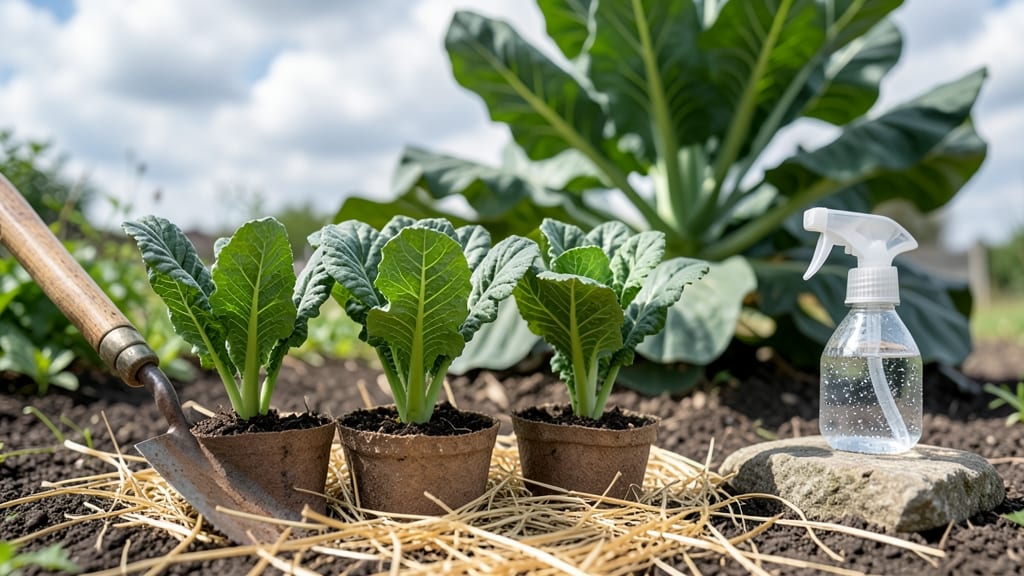
Planting collards at the wrong time in South Carolina can turn your garden into a bitter disappointment—unless you know the exact windows to avoid bolting and maximize those crisp, flavorful leaves.
This isn’t just about sticking seeds in the dirt; it’s about working with your 7b-8a climate to outsmart the heat and humidity.
The secret lies in timing: mid-March to early April for spring and August to September for fall, when temperatures cooperate. Skip these windows, and you’ll end up with tough, stringy greens—or worse, plants that bolt before you even taste them.
Let me show you how to align your planting with South Carolina’s unique growing seasons for foolproof results.
You don’t need a green thumb to grow collards—just the right strategy. We’ll cover everything from soil prep to transplanting tips, so you can enjoy 60-70 days of harvests without the guesswork. Ready to turn your garden into a collard powerhouse?
Whether you’re a first-time gardener or a seasoned pro, these insights will help you harvest like a local. Let’s get those 🥬 thriving!
South Carolina heat-Zone planting calendar for collards (avoiding bolting)
South Carolina’s humid subtropical climate creates perfect conditions for collards—but only if you plant at the right time. The key is avoiding heat stress and premature bolting, which turns tender greens into bitter, seed-bearing plants.
Most of SC falls in USDA Zones 7b-8a, meaning you have two ideal planting windows: early spring and late summer/fall. Let’s break down the exact timing for zero-bolt success.
Your last frost date in SC typically lands around March 15 in the Piedmont and March 1 along the coast. For fall planting, aim to get seeds in the ground by mid-August to ensure harvests before the first frost (November 15).
Coastal areas may extend this slightly due to milder winters, but inland zones need earlier starts to avoid heat damage.
🌱
Collard Planting Timeline for South Carolina
| Planting Window | USDA Zone 7b | USDA Zone 8a | Key Considerations |
|---|---|---|---|
| Early Spring | Mid-March to early April | Late February to mid-March | Soil temp ≥ 50°F (10°C) |
| Late Summer | Late July to early August | Mid-July to late July | Seedlings need 6+ weeks to mature before frost |
| Fall | August to September | August to October | 60-70 days to harvest before first frost |
| Winter (Coastal Only) | Not recommended | October (with frost protection) | Use row covers for extended harvests |
*Coastal areas (Zone 8a) can push fall planting later due to milder winters.
For spring planting, start seeds indoors 4-6 weeks before your last frost date. Transplant seedlings when soil temperatures reach 50°F (10°C)—this usually aligns with mid-March to early April in most of SC.
If you direct-sow, wait until soil warms to 60°F (15°C) to prevent slow germination. In Zone 8a, you can even start seeds as early as late February under protective coverings.
Fall planting is where SC gardeners truly shine. The 60-70 day harvest window means your last planting should occur by mid-September in Zone 7b and early October in Zone 8a. This ensures you harvest before the first frost knocks back growth.
Pro tip: Succession plant every 2-3 weeks in late summer to stagger harvests through winter.
One common mistake is planting collards in mid-summer (June-July). While they tolerate heat better than kale, temperatures above 85°F (29°C) for prolonged periods will cause bolting—where the plant focuses energy on flowering instead of leaf production.
If you love summer collards, opt for heat-tolerant varieties like 'Vates' and provide afternoon shade cloth during peak heat.
🌡️
Microclimates matter in SC! Coastal areas like Charleston (Zone 8a) can push planting windows 2-3 weeks later than inland zones like Greenville (Zone 7b). For example, while Greenville gardeners should finish fall planting by September 15, Charleston gardeners might extend until October 1.
Always check your local frost dates and adjust accordingly. Use a soil thermometer to confirm temperatures before planting—this simple tool prevents costly mistakes.
To maximize your harvest, pair collard planting with companion plants that thrive in the same conditions. Bush beans, radishes, and carrots all grow well alongside collards, while onions and garlic deter pests like cabbage worms.
In fall, interplant with turnips or spinach to make the most of your garden space as temperatures cool.
📅
5 Critical factors that determine collard planting success in SC
South Carolina’s humid subtropical climate creates unique challenges for growing collards. Unlike northern states, our long growing season and high summer heat demand precise timing to prevent bolting (premature flowering). Here are the 5 critical factors that separate successful harvests from disappointing failures.
First, soil temperature is your biggest ally or enemy. Collards thrive when soil stays between 50°F and 75°F (10°C-24°C). Plant too early when soils are cold, and growth stalls.
Plant too late in summer, and heat stress triggers bolting before you can harvest. Use a soil thermometer to confirm readiness—60°F (15°C) is ideal for transplanting.
Soil Temperature
- Optimal range: 50°F–75°F (10°C–24°C)
- Planting window: After last frost (March 15) or August–September for fall
- Tool needed: Soil thermometer (test 2" deep)
Second, frost dates dictate your planting windows. South Carolina’s average last frost is March 15 in most regions, but coastal areas may see frost as late as April 1.
For fall plantings, aim for August 1–September 15 to harvest before the first frost (November 15). Use row covers if you push into October for late harvests.
Frost Timing
- Last frost: March 15 (Piedmont)–April 1 (coastal)
- First frost: November 15 (statewide)
- Fall window: August 1–September 15
- Protection: Row covers for October plantings
Third, humidity and airflow prevent fungal diseases like downy mildew, which thrives in SC’s sticky summers. Space plants 12–18 inches apart and avoid overhead watering. Companion planting with marigolds or onions deters pests while improving airflow.
In high-humidity zones (coastal SC), prioritize heat-tolerant varieties like 'Georgia Southern' to reduce stress.
Fourth, succession planting extends your harvest by 3–4 months. Start a new batch every 2–3 weeks from March to September. For example, plant March 1, March 15, April 1, and August 1 to ensure continuous leaf production.
This strategy works especially well in USDA Zone 8a (Upstate SC), where winters are milder.
Finally, light exposure makes or breaks collard quality. While they tolerate partial shade, 6+ hours of sunlight yields the sweetest, most tender leaves. In South Carolina, south-facing beds or afternoon shade (to avoid wilting) are ideal.
If growing in containers, place them where they receive morning sun and filtered afternoon light.