
Plants
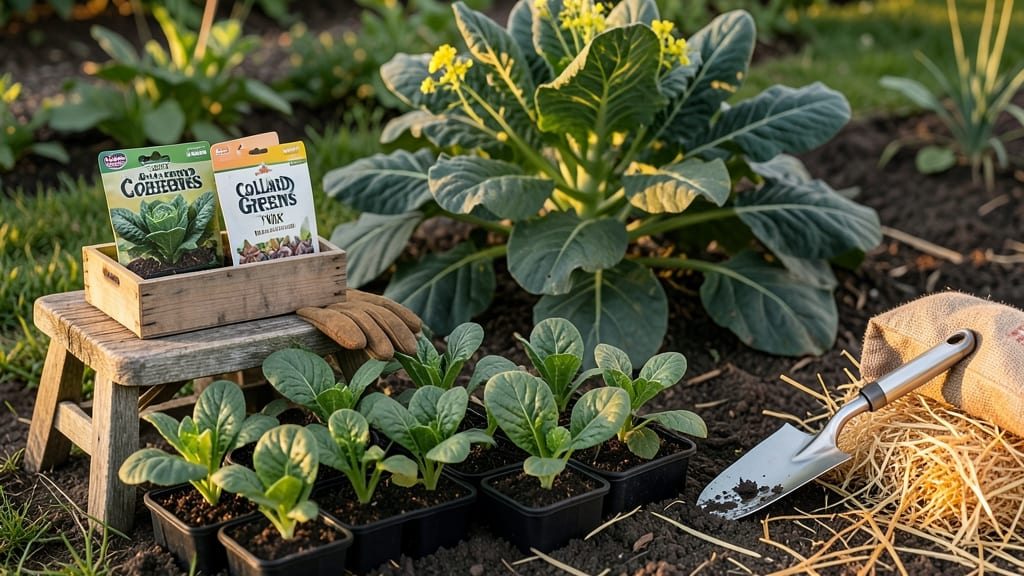
Timing is everything when it comes to when to plant collard greens in North Carolina, where your location can mean the difference between a thriving harvest and a frost-damaged disappointment.
Whether you're in the Coastal Plain or the mountains, planting at the wrong time can leave your greens struggling with heat or cold. The key is knowing exactly when to put those seeds in the ground for maximum success.
For most gardeners in USDA zones 7a-8b, the sweet spot arrives in early spring (March-April) and late summer (August-September)—just before the first frost or when soil temperatures hit that perfect growing range.
But here's the catch: your exact timing depends on whether you're dealing with the milder low country or the cooler mountain air. Get it wrong, and you might end up with bolting plants or stunted growth.
I'll walk you through the microclimate-specific planting windows that actually work in North Carolina, including when to start seeds indoors versus transplanting young plants. You'll also discover how to stretch your harvest season using simple succession planting techniques that keep your kitchen stocked with homegrown greens from fall through winter.
Ready to grow collard greens 🥬 that thrive year-round? Let's dive into the exact months and methods that will transform your garden from good to exceptional—no guesswork required.
Optimal planting months for collard greens by North Carolina microclimate
North Carolina’s three distinct regions—Piedmont, Coastal Plain, and Mountains—each offer unique growing conditions for collard greens. The key to success lies in aligning your planting schedule with local frost dates and heat tolerance.
In the Coastal Plain, where winters are milder, you can plant year-round, while the Mountains demand earlier starts to avoid late-season frost.
For direct sowing, aim for soil temperatures above 50°F (10°C). In the Piedmont, this typically means March to April for spring crops and August to September for fall harvests.
The Coastal Plain extends the window to February and October, while Mountain gardeners should start 4-6 weeks earlier to beat frost.
Using transplants gives you more flexibility. They can be set out 2-3 weeks earlier than direct-sown seeds, allowing for extended harvests. Just ensure your soil is well-draining and slightly acidic (pH 6.0-6.8)—a common oversight in NC’s clay-heavy soils.
| Region | Best Planting Window | Frost-Free Days | Heat Tolerance Note |
|---|---|---|---|
| Coastal Plain | Feb-March, Aug-Sept | 240+ days | Plants bolt in summer heat; use shade cloth |
| Piedmont | March-April, Aug-Sept | 200-220 days | Moderate heat tolerance; mulch to retain moisture |
| Mountains | Feb-March (earlier), July-Aug | 180-200 days | Short season; choose fast-maturing varieties |
In the Coastal Plain, where winters are frost-free, you can even plant collards in December for a spring harvest. However, avoid planting in July-August—the peak heat causes bolting (premature flowering). Instead, opt for shade-tolerant varieties like 'Georgia Southern' or 'Vates' during summer months.
For Mountain gardeners, focus on early spring and late summer plantings. The Asheville area (Zone 7a) has a last frost date of March 15, so start seeds indoors in February for transplants ready by early April. In the Highlands, consider row covers to extend the season.
Soil preparation is critical. Amend your beds with compost or aged manure to improve drainage, especially in clay-heavy Piedmont soils. A mulch layer (straw or leaves) helps regulate soil temperature and retains moisture—critical during NC’s hot, dry summers.
Pro tip: Use succession planting every 2-3 weeks from spring to fall to ensure a continuous harvest. This works especially well in the Coastal Plain, where you can stagger plantings through winter and spring.
Always check your local frost dates using the NC State Extension's Planting Calendar. Even within regions, microclimates vary—valleys may frost earlier than ridge tops. When in doubt, plant a test row to gauge your area’s unique conditions.
With the right timing, your collard greens will reward you with tender leaves from fall through winter, even in North Carolina’s diverse climates. Start with the right variety for your zone, and you’ll enjoy homegrown greens year-round.
Optimal planting months for collard greens by North Carolina microclimate
North Carolina’s three distinct climate zones—Coastal Plain, Piedmont, and Mountains—each offer unique planting windows for collard greens. The Coastal Plain, with its milder winters, allows for earlier and later plantings compared to the Mountains, where frost lingers longer.
Understanding these differences helps you avoid frost damage and maximize your harvest.
Collard greens thrive in cool weather and can even tolerate light frosts. In USDA Zones 7a-8b, the ideal planting times shift based on your location.
For most of North Carolina, the best windows are early spring and late summer, but timing varies by microclimate and whether you’re sowing seeds or using transplants.
🌱 COLLARD GREENS PLANTING GUIDE BY MICROCLIMATE
| Region | Last Frost Date | Ideal Planting Months | Best Method |
|---|---|---|---|
| Coastal Plain | Late February | February-March, August-September | Direct sow or transplants |
| Piedmont | Mid-March | March-April, August | Transplants preferred |
| Mountains | Early April | April-May, July-August | Transplants only |
In the Coastal Plain, where winters are milder, you can start planting as early as late February for a spring harvest or August-September for a fall crop.
This zone’s longer growing season allows for direct sowing or transplants, giving you flexibility. For Piedmont gardeners, aim for March-April or August to avoid late-spring heat stress.
The Mountains present the biggest challenge due to later frost dates. Plant transplants only in April-May for spring or July-August for a fall harvest. Soil temperatures in higher elevations stay cooler longer, so avoid sowing seeds too early—they won’t germinate well in cold soil.
Use row covers if planting early to protect seedlings from unexpected frosts.
For all regions, late summer plantings (August-September) are ideal for a fall harvest before the first frost. Choose heat-tolerant varieties like ‘Blue Max’ or ‘Georgia Southern’ to avoid bolting in summer’s residual heat. Always test your soil temperature—collard greens need soil at least 50°F (10°C) to germinate properly.
Pro tip: In the Coastal Plain, you can even plant a winter crop in October for a harvest in late winter or early spring. Just protect plants with mulch or row covers during hard freezes to keep them productive.