
Plants
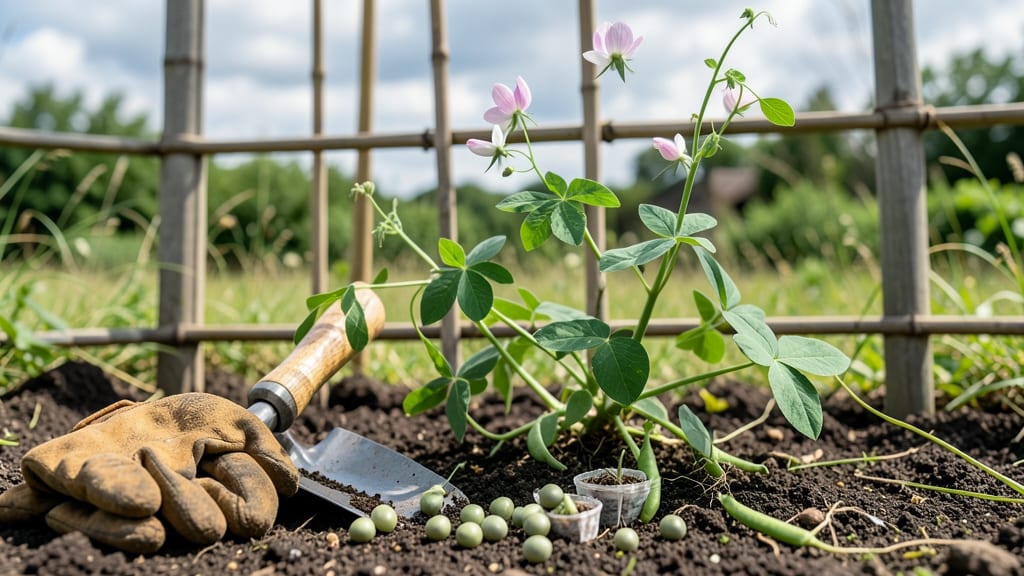
Timing your pea planting in Seattle perfectly means the difference between a garden bursting with sweet, crisp pods and a sad, stunted harvest. With Seattle’s famously unpredictable weather—cool, wet springs and mild winters—getting those seeds in the ground at just the right moment is the key to success.
Most gardeners here know peas are one of the first crops to plant, but did you know the ideal window actually spans two seasons?
Whether you're aiming for a spring harvest or a late-fall bounty, understanding Seattle’s microclimates—from the Puget Sound’s chilly coastal breezes to the Eastside’s slightly warmer pockets—can help you avoid common mistakes that ruin pea growth.
In this guide, I’ll walk you through the exact timing for planting peas in Seattle, including when to start seeds indoors (if you’re ambitious) and how to adjust for your specific neighborhood.
You’ll also discover how to protect your young plants from late frosts and extend your harvest season with simple, local strategies.
Ready to grow peas that thrive? Let’s dive into the best planting dates, soil prep tips, and varieties that do best in Seattle’s 8a climate, so you can enjoy fresh, homegrown peas from May through November.
Seattle’s microclimates: best pea planting zones and ideal dates
Seattle’s diverse geography means your pea planting dates can vary by 10 days or more depending on whether you're in West Seattle, the Eastside, or the South Sound.
The Puget Sound moderates temperatures, but urban heat islands in areas like Ballard or Bellevue can push frost dates back by 2-3 weeks.
For USDA Zone 8a (Seattle’s official zone), the average last frost date is March 15, but microclimates shift this window. Shelling peas (like Lincoln or Green Arrow) need 60-70 days to mature, while snap peas (like Sugar Snap) mature in 55-65 days.
Timing is critical—plant too early, and frost will kill seedlings; too late, and you’ll miss the spring harvest window.
Here’s how Seattle’s three key microclimates affect your planting schedule:
For fall planting, aim for September 1–15 to ensure peas mature before the first frost (November 15). Snow peas (like Oregon Sugar Pod) are the most cold-tolerant and can handle light frosts, making them ideal for Seattle’s late-season harvests.
Pro tip: Use Seattle’s frost-free calculator (like the National Weather Service or Old Farmer’s Almanac) to fine-tune your dates.
In 2023, West Seattle saw a late frost on April 5, while the Eastside stayed frost-free until April 12—a 7-day difference that could ruin your crop if ignored.
If you’re in a high-elevation area (like Queen Anne or Capitol Hill), plant 2 weeks earlier than the average. These spots can be 5°F colder than downtown, delaying soil warming and seed germination.
For container gardening, use black plastic pots to absorb heat and plant 1 week earlier than in-ground. Black pots can raise soil temperatures by 5–10°F, giving seedlings a head start in Seattle’s chilly springs.
Always test your soil’s pH (6.0–7.0) and drainage before planting. Seattle’s clay-heavy soil can cause root rot if not amended with compost or sand. A simple soil test kit (available at Local Organics or UW Extension) will save you from costly mistakes.
Remember: Peas fix nitrogen in the soil, so rotate them with heavy feeders like tomatoes or corn. Plant them near carrots or radishes to improve flavor and yield—this companion planting trick works especially well in Seattle’s compact urban gardens.
How to extend pea planting season in Seattle’s unpredictable spring
Seattle’s cool, wet springs and unpredictable frost dates can make pea planting a gamble if you don’t plan ahead. But with the right strategies, you can extend your harvest window and enjoy fresh peas for months.
The key is using cold-hardy varieties, protective covers, and succession planting to beat Seattle’s quirky weather.
For spring plantings, start with early-maturing varieties like 'Green Arrow' or 'Little Marvel'—they can tolerate light frosts and still produce pods in 50-60 days. If late frosts hit after planting, use floating row covers to shield tender seedlings.
These lightweight fabrics trap heat while allowing sunlight and water through, giving your peas a fighting chance even when temperatures dip below 25°F.
Don’t overlook fall planting either! While most gardeners focus on spring, September and early October are ideal for a second harvest. Varieties like 'Sugar Snap' or 'Oregon Sugar Pod' thrive in cooler fall weather and can produce until first frost (typically mid-November in Seattle).
Plant these 6-8 weeks before your expected frost date to ensure a full season.
🌱 Numbered Highlights for Extending Pea Season
- 1. Start with cold-tolerant varieties like 'Green Arrow' or 'Sugar Sprint'—they handle 25-30°F temps better than most.
- 2. Use row covers (like Agribon) to protect seedlings from late spring frosts or early fall chills.
- 3. Succession plant every 2 weeks in spring for a continuous harvest from April to July.
- 4. Plant fall peas in September for a harvest before first frost—they love cool weather!
- 5. Mulch heavily with straw to insulate roots and keep soil temps stable.
Another trick is succession planting. Instead of sowing all your peas at once, space out plantings every 2 weeks from early March through mid-April. This ensures a steady supply of fresh pods and reduces the risk of losing your entire crop to a single frost.
For container gardening, use deep pots (at least 12 inches deep) and plant multiple varieties at staggered times.
If you’re feeling ambitious, try overwintering peas! Some varieties, like 'Alderman' or 'Telephone', can survive light frosts and even produce in late winter if protected. Plant them in late September or October and cover with heavy mulch (like leaves or straw) to insulate the soil.
Check for sprouts in February or March—you might get an early harvest before spring planting begins!
Remember, soil temperature matters just as much as air temperature. Peas germinate best when soil is 45-75°F. In Seattle’s damp climate, soil can stay cool long after air temps warm up.
Use a soil thermometer to check before planting—if it’s below 45°F, wait a few days or use a black plastic mulch to warm it up faster.
With these strategies, you can turn Seattle’s unpredictable weather into an advantage and enjoy peas from early spring through late fall. Just keep an eye on the forecast, protect your plants when needed, and don’t hesitate to experiment with new varieties—your garden will thank you! 🌱