
Planting
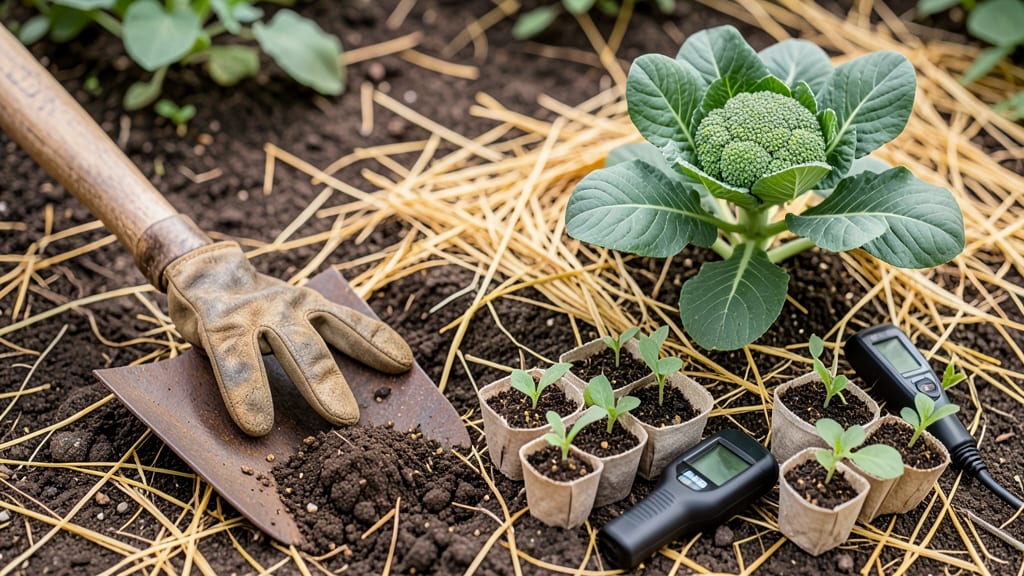
If you're dreaming of a bountiful fall garden in Central Texas, when to plant a fall garden in Central Texas is everything—and getting it wrong could mean watching your hard work vanish overnight with the first frost.
The key to success isn't just knowing what to plant, but when to put those seeds in the ground so your 🥬 harvest thrives before winter arrives.
Central Texas gardeners face a unique challenge: scorching summer heat gives way to unpredictable fall weather, with frost creeping in as early as November 20 in USDA Zone 8a. That means your planting window is tight—just 6-8 weeks before the first freeze—to ensure crops like kale, broccoli, and carrots mature before the cold sets in.
I’ve spent years testing fall planting strategies here, and the difference between a garden that flourishes and one that fizzles often comes down to those exact dates.
Whether you’re a first-time gardener or a seasoned green thumb, you’ll want to know the perfect time to start each crop—because in Central Texas, missing the mark can mean missing out on your harvest entirely.
In this guide, I’ll break down the exact planting schedule for your region, including which varieties thrive in our short fall season and how to protect your plants from early frost. Let’s get your garden growing the right way—so you can enjoy fresh, homegrown veggies all the way until winter.
Fall planting calendar for Central Texas: exact dates by vegetable type
Central Texas gardeners face a unique challenge: short fall growing seasons with unpredictable frost dates. The key to success? Planting at the right time for each vegetable type. In USDA Zone 8a/b, your window runs from mid-August to mid-October, but not all crops thrive equally.
For warm-season crops like tomatoes and peppers, you only have about 6-8 weeks to harvest before the first frost (typically November 20). Meanwhile, cool-season crops like kale and carrots can handle light frosts and may even taste sweeter after a freeze.
Below is your Central Texas Fall Planting Guide, broken down by crop type. Use these dates to align your planting with soil temperatures (aim for 60-70°F for warm crops, 50-60°F for cool crops) and first frost predictions.
| Crop Type | Planting Window | Days to Harvest | Frost Tolerance | Notes |
|---|---|---|---|---|
| Warm-Season Crops | Mid-August - Early September | 50-70 days | None (dies at 32°F) | Tomatoes, peppers, beans, cucumbers |
| Cool-Season Crops | Late August - Mid-October | 30-90 days | High (survives light frost) | Kale, carrots, broccoli, spinach |
| Bush Beans | August 15 - September 15 | 50-60 days | None (sensitive to frost) | Plant in warm soil; avoid late plantings |
| Leafy Greens | September 1 - October 15 | 30-50 days | Very High (improves with frost) | Lettuce, spinach, arugula, Swiss chard |
| Root Vegetables | August 20 - September 30 | 60-90 days | High (harvest before hard frost) | Carrots, beets, radishes, turnips |
For Austin gardeners, aim to plant tomatoes by August 15 and kale by September 1.
In San Antonio, you have a slightly longer window—push tomatoes to late August and leafy greens to mid-October. Waco’s cooler nights mean you should start cool-season crops by late August to avoid heat stress.
Pro tip: Use row covers to extend your season by 2-4 weeks for frost-sensitive crops. For example, planting bush beans on September 1 with a row cover can push your harvest into early November.
Remember, soil temperature matters more than air temperature. Use a soil thermometer to confirm your soil is at least 60°F for warm crops. If it’s cooler, wait a few days or use black plastic mulch to warm the soil faster.
Start with fast-maturing varieties like Cherry Tomatoes (50 days) or Bush Beans (50 days) to maximize your harvest before frost. Slow growers like broccoli (90 days) should be planted by late August to ensure a fall harvest.
Finally, keep an eye on weather forecasts in October. If a cold snap
How to avoid fall garden failures: common mistakes and solutions
Timing is everything in Central Texas fall gardening—plant too early, and your tomatoes or peppers will bolt in the heat. Plant too late, and frost will nip your kale or broccoli before harvest.
The average first frost date in Austin is November 20, but soil temperatures and local microclimates can shift that window by weeks.
Many gardeners make the mistake of ignoring soil temperatures. Even if air temps drop, soil stays warm well into October. Use a soil thermometer—most fall crops need soil temps between 55-75°F to germinate properly. If it’s hotter than that, wait a week or two before sowing seeds.
- Ignoring frost dates: Planting cool-season crops too early when soil is still hot.
- Overcrowding seedlings: Leaving too little space for root vegetables like carrots or beets.
- Skipping mulch: Letting soil dry out or freeze too quickly in November.
- Using summer fertilizer: High-nitrogen feeds can cause bolting in fall crops.
Pro tip: Use row covers to extend harvest by 2-3 weeks in early November.
Another pitfall is assuming all fall vegetables thrive in the same conditions. For example, leafy greens like spinach and lettuce love cool weather, while broccoli and cauliflower need consistent moisture to form heads. Group plants with similar needs together—this makes watering and pest control easier.
If you’re new to Central Texas gardening, don’t overlook drainage. Clay-heavy soils here can become waterlogged after rain, suffocating roots. Amend your beds with compost or sand before planting to improve airflow.
A quick soil test (available at local extension offices) can reveal if your garden needs extra organic matter.
Finally, resist the urge to rush harvests. Many gardeners pull crops too early in hopes of avoiding frost, but underripe vegetables lack flavor and nutrients. For example, sweet potatoes need a full 90-day growing season—plant them by mid-July to harvest before December.
Use row covers or cold frames to protect tender crops like bush beans until late November.
With these adjustments, your Central Texas fall garden can outperform summer plantings—just time it right and give your crops the care they need before the first frost hits. Happy growing! 🌱