
Plants
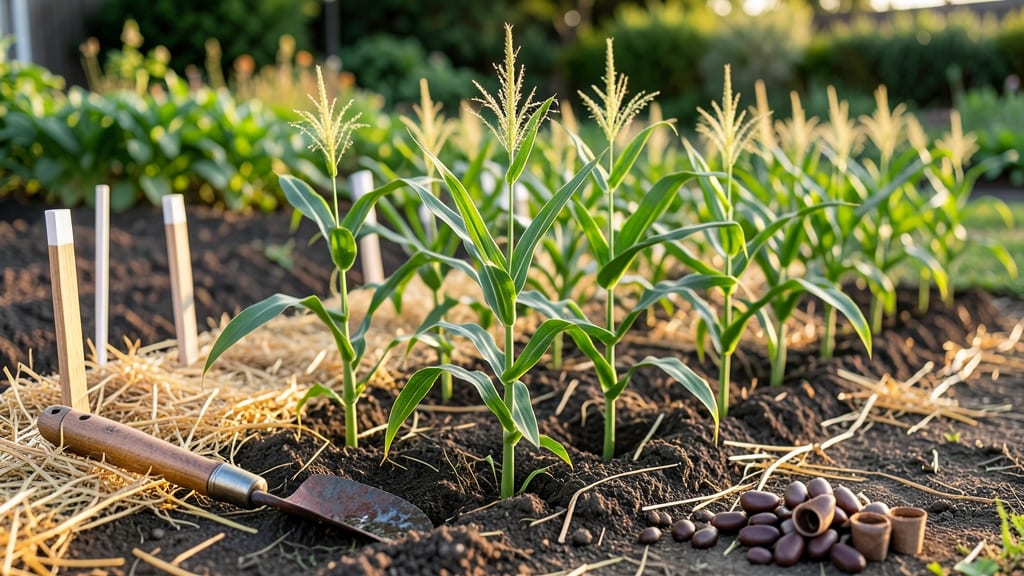
Timing your 🌽 corn planting in Idaho wrong could mean the difference between a bountiful harvest and wasted effort. Idaho’s varied climate—from high-desert plateaus to lush river valleys—makes frost dates unpredictable, and corn is especially sensitive to late chills.
Most gardeners in USDA Zones 4-7 wait until after the last frost, but soil temperature matters just as much. Planting too early when the ground is still cold (50°F) stalls germination, while waiting too long risks shorter growing seasons.
The key is balancing frost risk with warm soil—typically late April to early June, depending on your microclimate.
I’ve seen Idaho farmers adjust their schedules by weeks based on elevation alone—high-altitude areas (like Zone 5) often need to start 2-3 weeks later than valley regions.
Whether you’re growing sweet corn for summer feasts or dent corn for fall storage, getting this right ensures your plants have enough time to mature before the first frost.
In this guide, I’ll break down the exact planting windows for your zone, plus how to prep soil, choose the right varieties, and watch for local weather quirks. Let’s make sure your corn gets the perfect start—no guesswork, just growth.
Idaho corn planting calendar: exact dates by hardiness Zone (4-7)
Idaho’s diverse climate—from the high-desert elevations of Zone 4 to the valley warmth of Zone 7—means corn planting dates can vary by 4-6 weeks. The golden rule? Wait until the soil reaches 50°F+ and the last frost is at least 2 weeks behind you.
Below, I’ve mapped out zone-specific windows using Idaho State University data, adjusted for microclimates like Boise’s urban heat islands or the cold sinks of mountain foothills.
For Zone 4 gardeners (e.g., Sandpoint or Coeur d’Alene), the window is tight: May 15–June 1. In Zone 7 (e.g., Twin Falls or Burley), you’ve got flexibility until June 15.
But don’t just rely on dates—soil temperature is your real deadline. Use a soil thermometer to confirm readiness; cold soil = stunted roots.
Here’s the comparison table breaking down your frost-free windows, soil temp thresholds, and microclimate adjustments for Idaho’s most common zones. Pro tip: High-desert areas (like Zone 5-6 in Moscow) need 2-3 extra weeks due to slower warming.
| USDA Zone | Last Frost Date (Avg.) | Safe Planting Window | Soil Temp Threshold | Microclimate Adjustment |
|---|---|---|---|---|
| Zone 4 | May 10 | May 15–June 1 | 50°F+ (10°C+) | Add 7–10 days for high-desert |
| Zone 5 | April 25 | May 1–May 15 | 50°F+ (10°C+) | Valley areas: start 3–5 days earlier |
| Zone 6 | April 15 | April 25–May 10 | 50°F+ (10°C+) | Boise urban: extend window to May 15 |
| Zone 7 | April 1 | April 15–June 15 | 50°F+ (10°C+) | Irrigated areas: push to June 20 |
Direct sowing is non-negotiable for Idaho corn—transplants struggle to recover from root disturbance in cool soils. But if you’re succession planting for a fall harvest, aim for July 1–15 in Zone 6-7, using short-season varieties like ‘Early Sunglow’ (65 days).
Just be ready to cover seedlings if a late frost sneaks in.
One Idaho-specific hack: Plant black plastic mulch 1–2 weeks before your target date to warm soil faster. In Zone 4-5, this can shave 10 days off your planting window.
Pair it with row covers for early protection—just remove them once plants hit 12 inches to avoid heat stress.
For high-altitude gardens (e.g., McCall at 4,000+ ft), extend your window by choosing dwarf varieties (e.g., ‘Bodacious’) and planting in low spots where cold air pools less. These areas often have 10–14 days of warmer microclimates than the surrounding landscape.
Remember: Corn needs 60–90 days of warmth to mature. If you plant too late, you’ll end up with small ears or no harvest. Use the “500-degree rule”: Add your average daily highs from planting to harvest—you need at least 1,500°F for full-size ears.
In Zone 4, this limits you to early varieties only.
Finally, water access
5 Critical factors that determine your Real Planting Window in Idaho
Idaho’s diverse microclimates mean the official planting dates for your USDA zone might not apply to your garden. Even within Zone 5 or Zone 7, elevation shifts can push your last frost date by weeks.
For example, Boise’s valley floors average May 15 for final frost, while high-desert areas like Twin Falls might see frost as late as June 1. These differences directly impact when you should plant corn.
Beyond frost dates, your soil temperature is the true decider. Corn seeds need consistent 50°F+ soil to germinate—cold soil delays sprouting or causes rot. In Idaho’s clay-heavy soils (common in northern regions), warmth lingers longer than in sandy loam (typical of the Magic Valley).
Test your soil with a soil thermometer—wait until it hits 55°F+ for reliable germination.
🌱
Every 1,000 feet of elevation drops last frost dates by 3-5 days. Use this rule: subtract 1 week from zone dates if you’re above 5,000 feet (common in northern Idaho).
Clay soils warm 2 weeks slower than sandy loam. Amend with compost to speed warming—aim for 60°F+ for faster germination.
Short-season varieties (e.g., ‘Early Sunglow’) need 70-80 days to harvest. Plant these 2 weeks earlier than standard corn to avoid fall frosts.
Drought-prone areas (e.g., southern Idaho) should plant earlier to establish roots before irrigation cuts off. Use drip systems to maintain 1 inch of water/week.
Add 10-14 days to zone dates if your area has a history of late-spring frosts. Check NOAA frost maps for your county.
Your irrigation method also plays a role. Drip irrigation lets you plant 1-2 weeks earlier than flood irrigation, as it maintains consistent moisture without cooling the soil. In Zone 6 (like Coeur d’Alene), this could mean the difference between a June harvest and a failed crop.
For late starters, consider row covers or cold frames to extend your window. These can add 2-3 weeks of protection, but remove them once plants hit 6 inches tall to prevent overheating.
In Zone 7 (e.g., Twin Falls), this might let you plant as late as June 1 while still harvesting by September.
🌾