
Plants
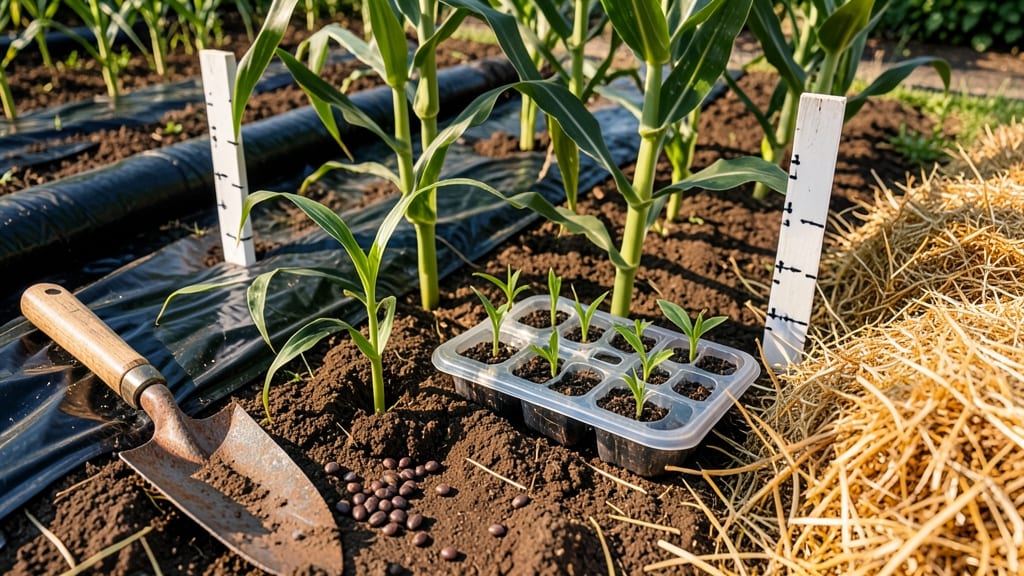
Timing your 🌽 corn planting in Phoenix isn't just about following a calendar—it's about outsmarting the desert's relentless heat.
Unlike cooler climates, Phoenix's 9b zone demands a winter window where soil stays comfortably cool, typically between December and February, to give your plants a fighting chance before summer's brutal temperatures arrive.
Most gardeners make the mistake of waiting too long, only to watch their corn bolt or wilt under 110°F+ afternoons. But with the right heat-tolerant varieties and a few strategic adjustments, you can grow sweet, plump ears even in the desert.
The key? Planting early enough to harvest by May, when the real heat ramps up.
In this guide, I'll walk you through the exact planting dates that work in Phoenix, the best varieties to choose, and how to protect your crop from the sun's intensity.
Whether you're a first-time gardener or a seasoned pro, these insights will help you avoid common pitfalls and maximize your harvest.
Ready to grow corn that thrives in the desert? Let's dive into the secrets of successful Phoenix corn gardening—where timing, shade, and the right variety make all the difference.
Best planting dates for corn in Phoenix’s extreme heat zones
In Phoenix’s USDA Zone 9b, corn thrives only when planted during the coolest months—never in summer’s 110°F+ heat. Unlike northern climates, Phoenix’s frost-free year-round means we focus on soil temperature, not frost dates.
The sweet spot? December through February, when daytime highs stay below 80°F and nights dip into the 50s. This window ensures your corn matures before summer’s brutal sun turns ears starchy and tough.
Your planting deadline is mid-February for most varieties. If you push it to March, expect slower growth and lower yields due to rising temperatures. For early harvests, aim for December sowing—ears may be ready by March before the heat peaks.
Remember: corn needs 90–110 days to mature, so time it right to avoid summer’s furnace-like conditions.
Phoenix’s microclimates matter—Scottsdale’s urban heat runs 5–10°F hotter than Mesa’s rural areas. Adjust your schedule: plant 2 weeks earlier in Scottsdale and 1 week later in higher-elevation areas like Carefree. Use a soil thermometer to confirm temps are below 80°F before planting; corn roots struggle above this threshold.
🌽 Phoenix Corn Planting Timeline
| Stage | Action | Notes |
|---|---|---|
| Soil Prep | Test soil pH (6.0–7.0); amend with compost | Phoenix soil is often alkaline—add sulfur if pH > 7.0 |
| Planting Window | December 1 – February 15 | Avoid March plantings—heat stress reduces yields |
| Soil Temp Check | Wait for 60–70°F daytime temps | Use shade cloth to cool soil if needed |
| Germination | 5–10 days (keep soil moist) | Thin seedlings to 12 inches apart when 3 leaves appear |
| Harvest Ready | March–May (90–110 days after planting) | Pick in morning; boil ears for 30 mins to preserve sweetness |
If you’re container gardening, start seeds indoors under grow lights in late November and transplant outdoors in January. Containers heat up faster—bury pots halfway in the ground to stabilize soil temps. For succession planting, stagger sowings every 2 weeks in December for a rolling harvest through April.
Critical mistake: Planting in spring or summer leads to bolting (premature flowering) or ear rot from fungal pressure in the heat. Even heat-tolerant varieties struggle when daytime temps exceed 95°F. Use a shade cloth (30–50%) if you must plant in March, but yields will suffer compared to winter plantings.
For extended harvests, try fall planting in October—corn can tolerate cooler nights better than daytime heat. However, November plantings risk early frost (though rare in Phoenix). Balance risk vs. reward: winter plantings are your safest bet for sweet, plump ears.
Pro tip: Mulch heavily with straw or wood chips to keep soil cool and retain moisture. In Phoenix’s dry climate, drip irrigation is non-negotiable—surface watering leads to evaporation waste and fungal diseases.
Aim for 1–1.5 inches of water per week, delivered early in the morning to prevent evening wilting.
Monitor your corn’s tassels and silks—if silks dry out before fertilization, you’ll get poorly filled ears. In 100°F+ heat, hand-pollinate by transferring pollen from tassels to silks with a paintbrush if silks dry too quickly. This extra step can double your yield in extreme conditions.
Finally, harvest before summer arrives. By June, even the hardiest corn varieties will bolt or rot. Plan your last harvest for late May to enjoy fresh ears before the desert’s peak heat.
With the right timing, you’ll beat the heat and enjoy homegrown sweet corn that rivals grocery store quality—without the 10-hour drive!
Best planting dates for corn in Phoenix’s extreme heat zones
In Phoenix’s USDA Zone 9b, corn thrives only when planted during the coolest months—December through February—when daytime highs dip below 85°F and soil temperatures stay under 80°F. This timing avoids the 110°F+ summers that would fry tender seedlings before they even sprout.
My first successful harvest came from planting in mid-January, when the risk of sudden heat spikes was lowest.
Corn is a winter crop in Phoenix, meaning you’ll harvest just as spring transitions into summer. The key is to plant 60-75 days before your first expected heatwave—typically by late February at the latest. After that, the desert sun becomes too intense, even for heat-tolerant varieties.
I’ve seen neighbors rush to plant in March only to watch their corn bolt (send up flower stalks prematurely) or develop dry, chalky kernels.
Soil temperature is your best early warning system. Use a soil thermometer to confirm readings below 75°F before planting. In my garden, I bury the thermometer at 2-inch depth—the level where corn roots first seek moisture. If temperatures creep above 85°F, delay planting by at least 2 weeks.
| Planting Window | Soil Temp | Air Temp | Microclimate Notes |
|---|---|---|---|
| December 15–January 15 | 65–75°F | 60–75°F | Best for Scottsdale (cooler nights) |
| January 16–February 15 | 70–78°F | 70–80°F | Ideal for Mesa (warmer microclimate) |
| February 16–March 5 | 78–82°F | 80–85°F | Risk of bolting; use shade cloth |
Phoenix’s microclimates play a huge role in success. Areas like Scottsdale and the McDowell Sonoran Preserve stay 5–10°F cooler than downtown Phoenix due to elevation and shade from mountain foothills.
If you’re in these zones, you can push planting to early February without stress. Meanwhile, low-lying areas like Tempe heat up faster—stick to December–January there.
For container gardening, timing shifts slightly. Pots heat up 30–50% faster than in-ground beds, so aim to plant 4–6 weeks earlier (by mid-November) and move containers to shaded patios by late February.
I use black fabric pots because they absorb heat, but I bury them halfway in the ground to stabilize temperatures.
Pro tip: Succession planting works in Phoenix’s winter window. Sow two batches 3 weeks apart to stagger harvests. My January 10 batch yielded ears in early March, while the February 1 batch ripened by mid-April—just as the real heat arrived.
This ensures you’re not overwhelmed with corn all at once while still beating the summer shutdown.