
Plants
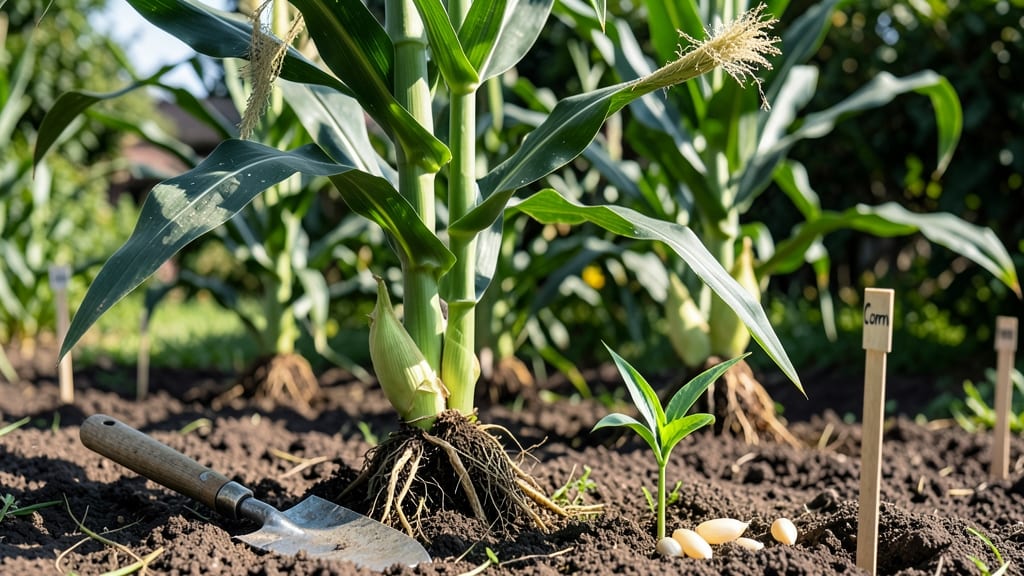
Timing your 🌽 corn planting in Virginia isn’t just about throwing seeds in the dirt—it’s the difference between a bumper crop and a sad, stunted harvest.
With Virginia’s varied climate zones (6a-8a), getting the window right means avoiding frost damage or waiting too long for soil warmth to kick in.
Most gardeners here know the magic window is between April 15 and May 31, but that’s just the starting point. The real secret? Waiting until the soil hits 50°F+ for 10+ days—because cold soil slows germination and invites rot.
Skip this step, and you’ll be chasing a harvest that never materializes.
Here’s what you’ll discover: how to adjust planting dates based on your exact region (Coastal Plain vs. Piedmont vs. Appalachian Plateau), which corn varieties thrive in Virginia’s short vs. long seasons, and the simple soil prep tricks that boost yields by 30% or more.
Let’s get your garden ready for sweet, homegrown corn—without the guesswork. Your taste buds (and dinner table) will thank you.
Virginia corn planting calendar: exact dates by region & soil temperature
Virginia’s five distinct growing zones—Coastal Plain, Piedmont, Blue Ridge, Valley, and Appalachian Plateau—each demand different corn planting strategies.
The last frost date isn’t the only factor; soil temperature (must stay above 50°F for 10+ days) and microclimates (like urban heat islands) can shift your ideal window by weeks. Let’s break it down by region so you plant at the perfect moment.
For all zones, direct-sow seeds (never transplant) 1 inch deep in well-drained soil with a pH of 6.0–6.8. Use a soil thermometer to confirm readiness—cold soil delays germination. In Virginia, April 15 is the average last frost, but your exact date depends on elevation and proximity to water bodies.
🌽
| Region | USDA Zone | Last Frost (Avg.) | Planting Window | Soil Temp Trigger | Notes |
|---|---|---|---|---|---|
| Coastal Plain (Norfolk, Hampton) | 7b-8a | March 20–April 5 | April 1–April 30 | 50°F+ (earlier than inland) | Humidity speeds germination; watch for fungal diseases. |
| Piedmont (Richmond, Charlottesville) | 6b-7a | April 1–April 15 | April 15–May 15 | 50°F+ (10+ days) | Ideal for early-maturing varieties (80–90 days). |
| Blue Ridge (Roanoke, Lynchburg) | 6a-6b | April 15–May 1 | May 1–May 20 | 55°F+ (higher elevation) | Shorter season; prioritize disease-resistant varieties. |
| Valley (Roanoke Valley, Staunton) | 6a-7a | April 10–April 25 | April 25–May 15 | 50°F+ (warmer microclimate) | Great for late-season varieties (110+ days). |
| Appalachian Plateau (Bristol, Radford) | 6a-6b | May 1–May 10 | May 15–June 1 | 55°F+ (latest zone) | Plant fast-maturing varieties only; risk of early frost. |
If you’re in the Coastal Plain, you can start as early as March 20 in protected microclimates, but wait until April 1 for most areas. Meanwhile, the Appalachian Plateau demands patience—don’t plant before May 15, or your corn may bolt (flower prematurely) due to heat stress.
Use a frost calendar like the one from the Virginia Cooperative Extension to fine-tune your dates.
Pro tip: For southern Virginia, consider a second planting in late May for a fall harvest. Just choose shorter-day varieties (like ‘Peaches and Cream’) to avoid bolting. In northern zones, stick to one planting and prioritize disease resistance—humidity and rain make corn vulnerable to leaf blight.
🌡️
Soil temperature is your true planting trigger, not just frost dates. Use a soil thermometer to confirm 50°F for 10+ days. Cold soil (
5 Critical factors that determine your corn planting success in VA
Timing your corn planting isn’t just about dates—it’s about creating the perfect growing conditions. I’ve planted corn for years in Virginia, and these 5 critical factors make the difference between a bumper crop and a failed harvest. Let’s break them down so you can avoid common mistakes.
First, soil temperature is non-negotiable. Corn seeds won’t germinate properly until the soil reaches 50°F consistently for 10+ days. Use a soil thermometer to check—if it’s cooler, wait.
Cold soil slows germination and invites rot. I once planted too early in the Piedmont region, and my seeds took 3 weeks to sprout instead of 7 days.
Soil pH between 6.0–6.8 is ideal for corn. Test your soil before planting—Virginia’s clay-heavy soils often need lime or sulfur adjustments. My Tidewater garden had a pH of 5.5, and my corn struggled until I amended it. A simple $20 soil test kit saves headaches later.