
Plants
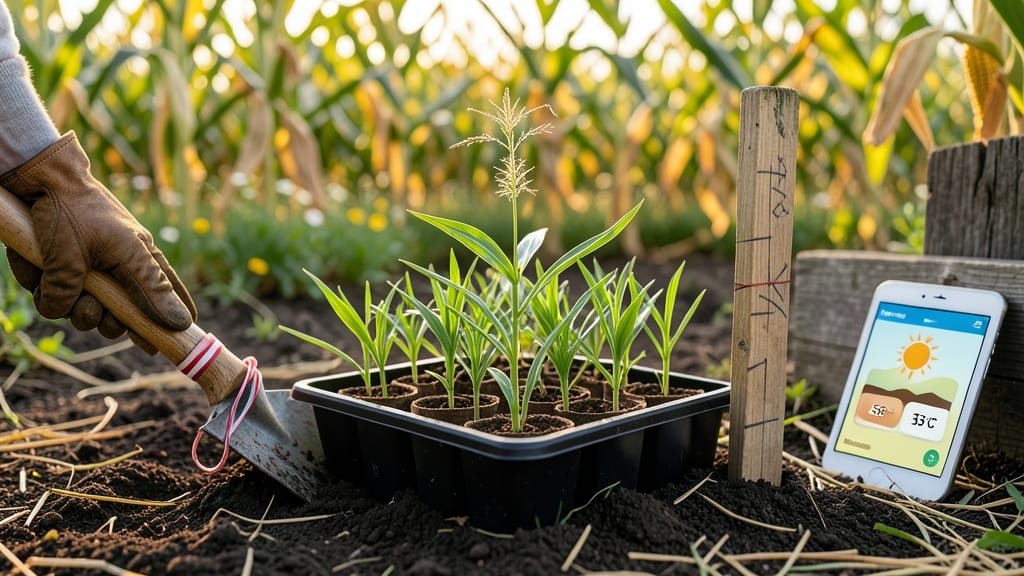
Optimal corn planting weeks before last frost in Zone 5b (with exact dates)
Corn thrives when planted 2-4 weeks before your last expected frost date in Zone 5b, but timing depends on soil warmth and variety. Most gardeners aim for mid-April to early May in most of Zone 5b, with adjustments for early or late springs.
The key is waiting until soil reaches 50°F+—corn seeds won’t germinate in cold soil, no matter how eager you are to plant!
Zone 5b spans diverse regions with last frost dates ranging from late April to mid-May. For example, Chicago typically sees its last frost around May 15th, while New York City averages April 25th.
Pittsburgh falls in between, with May 5th as a safer benchmark. Always check your local Almanac’s frost calendar for precise dates, as microclimates vary even within small areas.
Corn needs 90-120 days of warm weather to mature, so late plantings risk ears forming too close to frost. If your last frost is May 15th, plant by mid-April for early varieties (like Silver Queen) or late April for mid-season types (like Golden Bantam).
Late plantings after May 10th should use short-season varieties (60-75 days to harvest) to avoid frost damage.
🌽 Zone 5b Corn Planting Timeline
| Region | Avg. Last Frost | Ideal Planting Window | Backup Weeks (Late Spring) |
|---|---|---|---|
| Chicago, IL | May 15 | April 25 - May 5 | May 10-15 (short-season varieties) |
| New York City, NY | April 25 | April 10 - April 20 | April 25 - May 5 (cold frames) |
| Pittsburgh, PA | May 5 | April 20 - April 30 | May 5-10 (row covers) |
*Adjust for early or late springs using soil thermometers.
For succession planting, add a second batch 2-3 weeks after the first if you want continuous harvests. This works best with short-season varieties (like Early Sunglow) planted in late May.
Just ensure they’ll mature before your first frost in October. Pro tip: Use black plastic mulch to warm soil faster for late plantings!
If your spring is unusually cold, don’t rush planting—corn seeds rot in 40°F soil. Instead, use biodegradable seed starters or row covers to protect seedlings until soil warms.
I’ve seen gardeners in Zone 5b wait until May 1st just to avoid seed loss. Patience pays off with healthier plants and bigger ears!
Corn planted too early risks frost damage to young shoots, while late plantings often produce smaller ears or fail to mature. Strike the balance by planting when daytime temps stay above 60°F and nights dip no lower than 45°F.
This usually aligns with leaf-out on nearby trees, a natural cue for Zone 5b gardeners.
Don’t forget to test your soil temperature with a soil thermometer (insert 2 inches deep). Corn seeds need 50°F+ for 7+ days to germinate reliably. If your soil is below 50°F, delay planting or use heat mats for containers.
I’ve had the best luck planting when soil hits 55°F+—it speeds up germination and gives seedlings a stronger start.
For container growing, plant 4-6 weeks earlier than in-ground corn since pots warm faster. Use 5-gallon buckets with well-draining soil and place them on black plastic to boost soil temps. Just be ready to move containers indoors if frost threatens—corn is not frost-tolerant at any stage.
Remember, corn is wind-pollinated, so plant in blocks (not rows) for better pollination. A 4x4 foot patch with 4 plants per hill works perfectly for home gardens. This setup also makes it easier to stagger plantings for extended harvests. Happy planting—your future corn cobbler will thank you!
How soil temperature affects corn germination (and when to adjust planting)
Corn seeds need soil temperatures of at least 50°F to germinate properly—any cooler, and they’ll rot in the ground instead of sprouting. In Zone 5b, where early springs are common, this means waiting for the right conditions can make or break your harvest.
I’ve learned the hard way that rushing planting because of warm air temperatures (but still-cold soil) leads to poor germination rates.
Most gardeners in Zone 5b should aim to plant corn after the soil reaches 55°F consistently for at least a week. This usually aligns with late April to early May, but it varies by location.
For example, in Chicago, soil warms up faster than in Pittsburgh, so adjustments are key. Testing your soil temperature with a simple probe (available for under $10) takes the guesswork out of timing.
If your spring is running late, don’t panic—corn is forgiving if you choose the right varieties. Short-season varieties like ‘Early Sunglow’ (65 days to maturity) or ‘Silver Queen’ (72 days) can still thrive if planted in early June, provided they get enough heat before the first frost.
For these late plantings, focus on soil warmth over air temperature, as the ground retains heat longer.
Planting corn in soil below 50°F causes seeds to rot. Even if air temperatures feel spring-like, check soil depth (1 inch down) with a thermometer. If it’s cooler than expected, delay planting by 1-2 weeks or use row covers to warm the soil faster.
To speed up soil warming, try these proven tricks:
- Use black plastic mulch (lays directly on soil) to raise temperatures by 5-10°F within days.
- Plant in south-facing beds where sunlight hits earliest in the morning.
- Cover seeds with clear plastic domes (like mini greenhouses) until sprouts appear.
If you’re dealing with unpredictable Zone 5b weather, consider starter kits for corn. These pre-sprouted seeds (available at garden centers) can handle slightly cooler soil (down to 45°F) and give you a 2-week head start. Just be sure to harden them off before transplanting outdoors.
Remember, corn’s germination window is tight—once soil drops below 50°F again, growth slows dramatically. Monitor forecasts and adjust your planting date if a late frost is predicted within 2 weeks of sowing. With the right soil prep, you’ll avoid the heartbreak of watching seeds fail to sprout.