
Plants
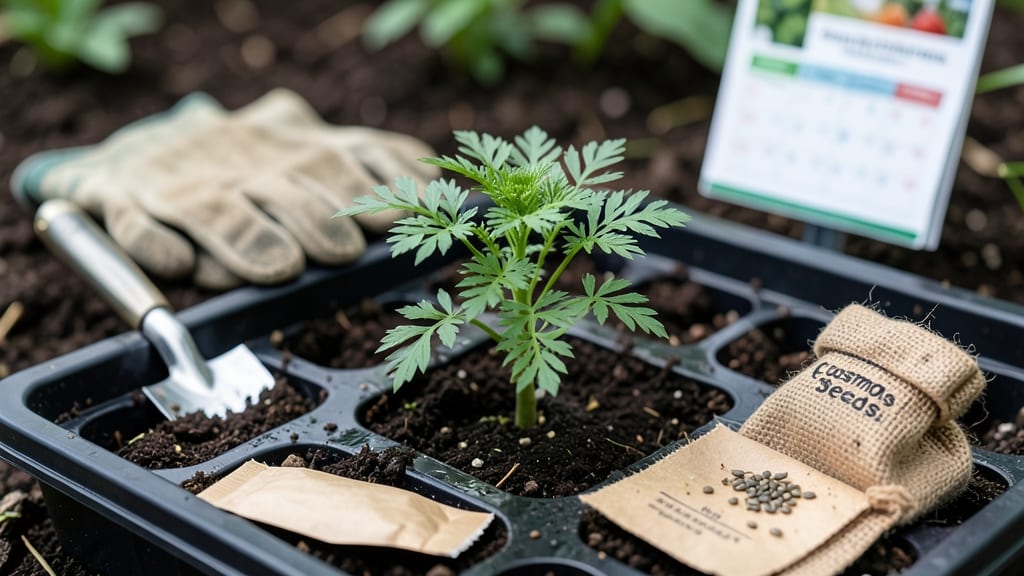
Knowing when to plant cosmos seeds in Zone 7 could be the difference between a garden bursting with fast, vibrant blooms and one that barely puts on a show.
These easygoing flowers thrive in summer's warmth, but timing matters—plant too early, and frost might nip them in the bud; too late, and you'll miss their peak flowering season.
For Zone 7 gardeners, the sweet spot is mid-spring to early summer, once soil temperatures hit at least 60°F. That's typically after your last frost date—usually around mid-April—but don't wait too long. The key is planting when the earth is warm enough to encourage quick germination and strong growth.
What makes cosmos so special is their effortless nature. They're warm-season plants that love the heat, so they'll reward you with bold colors from summer straight through early fall.
Whether you're a beginner or a seasoned gardener, getting this timing right means more flowers, less fuss, and a garden that stays beautiful longer.
I'll walk you through exactly how to time your planting—including when to start seeds indoors if you want a head start—and share pro tips for keeping those 🌸 cosmos blooming all season long. Let's get your garden prepped for a showstopping display!
Zone 7 cosmos planting calendar: exact weeks for best blooms
Timing is everything when growing cosmos in Zone 7, where mild winters and hot summers create a unique window for planting. Unlike frost-sensitive annuals, cosmos thrive in warm soil and can handle late springs—so don’t rush!
The key is balancing soil temperature (at least 60°F/15°C) with your last frost date (typically mid-April in Zone 7). Plant too early, and seeds may rot; too late, and you’ll miss summer blooms.
Most gardeners in Zone 7 opt for direct sowing after the last frost, but some prefer indoor starts 4–6 weeks earlier for a head start. Perennial cosmos varieties (like Cosmos bipinnatus) can even be planted in early fall for spring blooms.
Let’s break down the exact weeks for maximum impact.
🌱
| Method | Zone 7 Planting Window | Soil Temp | Bloom Time |
|---|---|---|---|
| Direct Sowing (Annuals) | Late April–May | 60°F+ (15°C+) | July–Frost |
| Indoor Starts | Early March–April | 65°F+ (18°C+) | June–October |
| Fall Planting (Perennials) | September–Early October | 55°F+ (13°C+) | Next Spring |
| Succession Planting | Every 3–4 Weeks (May–July) | 60°F+ (15°C+) | Staggered Blooms |
🌿 Best for Zone 7: Late April–May direct sowing yields the most reliable blooms.
For annual cosmos, aim to plant seeds 2–3 weeks after your last frost when nighttime temps stay above 50°F (10°C). In Zone 7, this usually lands in late April, but always check your local frost-free date.
Pro tip: Use a soil thermometer—cosmos seeds need consistent warmth to germinate quickly (usually within 7–14 days).
If you’re growing perennial cosmos (like Cosmos atrosanguineus), fall planting is your secret weapon. Sow seeds in September for a spring surprise. These hardy plants handle Zone 7’s mild winters and often self-seed, creating low-maintenance color for years.
Just mulch them well after the first frost to protect tender roots.
Don’t overlook succession planting—this technique extends your cosmos blooms from summer through early fall. Sow a fresh batch every 3–4 weeks from May through July.
Each new planting will push your flowering window later, ensuring your garden stays vibrant until the first frost (usually mid-October in Zone 7).
One common mistake? Waiting until June to plant. By then, cosmos may bolt (go to seed) quickly, reducing bloom time. For longer-lasting flowers, prioritize early planting and regular deadheading. Pinch back early shoots to encourage bushier growth, and remove spent blooms to trigger more flowers.
Zone 7 gardeners also love using cosmos as cut flowers. For the best stems, plant a dedicated row in early May). These will bloom in July—perfect for summer bouquets. Just be sure to harvest in the morning when buds are just beginning to open for the longest vase life.
Finally, cosmos are drought-tolerant once established, but young seedlings need consistent moisture. After planting, keep the soil evenly moist (not soggy) until plants reach 6 inches tall. After that, reduce watering to once a week unless your Zone 7 summer is unusually dry.
With the right timing, your cosmos will reward you with bold blooms from July through October—and maybe even a few late-season surprises if you’re lucky. Grab your seeds, mark your calendar, and get ready for a colorful show! 🌻
Signs your cosmos seeds are ready to plant (and what to avoid)
Planting cosmos seeds at the right time in Zone 7 isn’t just about checking a calendar—it’s about reading your garden’s signals. Soil temperature is your first clue: cosmos seeds need at least 60°F (15°C) to germinate reliably.
Use a soil thermometer to confirm warmth before planting. If your soil feels cool to the touch, wait a few more days.
Another key sign is the last frost date for your specific area. In Zone 7, this typically falls around mid-April, but microclimates can shift this by a week or more.
Plant too early, and a late frost will kill tender seedlings. Cosmos are warm-season annuals, so rushing them won’t pay off.
Pay attention to weed competition as well. If weeds are already sprouting aggressively, your cosmos seeds will struggle to compete for nutrients. Clear the area thoroughly before sowing, and consider adding a light mulch layer (like straw) to suppress weeds without smothering your seeds.
⚠️ Common Mistakes to Avoid
Planting too deep: Cosmos seeds need light to germinate. Press them just ¼ inch into soil—no deeper! Over-deepening delays or prevents sprouting. 🌱
Ignoring soil moisture: Dry soil = failed germination. Keep soil consistently moist (not soggy) until seedlings appear. A spray bottle works well for gentle watering. 💧
Skipping thinning: Cosmos seedlings grow close together. Once they have 2-3 true leaves, thin to 12-18 inches apart to prevent overcrowding and improve airflow. ✂️
Watch for seedling emergence, which usually takes 7-14 days under ideal conditions. If you’ve planted correctly, you’ll see tiny leaves poking through the soil within two weeks. If germination takes longer than three weeks, your soil may still be too cold or dry.
Finally, avoid planting cosmos in shady spots. While they tolerate partial shade, full sun (6+ hours daily) is non-negotiable for vibrant blooms. If your garden has limited sun, choose a south-facing location for the best results. Cosmos are forgiving, but they’ll reward you handsomely when given the right conditions.
Once your seeds are in the ground and sprouting, focus on consistent moisture and minimal disturbance. Cosmos thrive on neglect once established, but getting them off to a strong start is key to a long, colorful blooming season in Zone 7. 🌻