
Plants
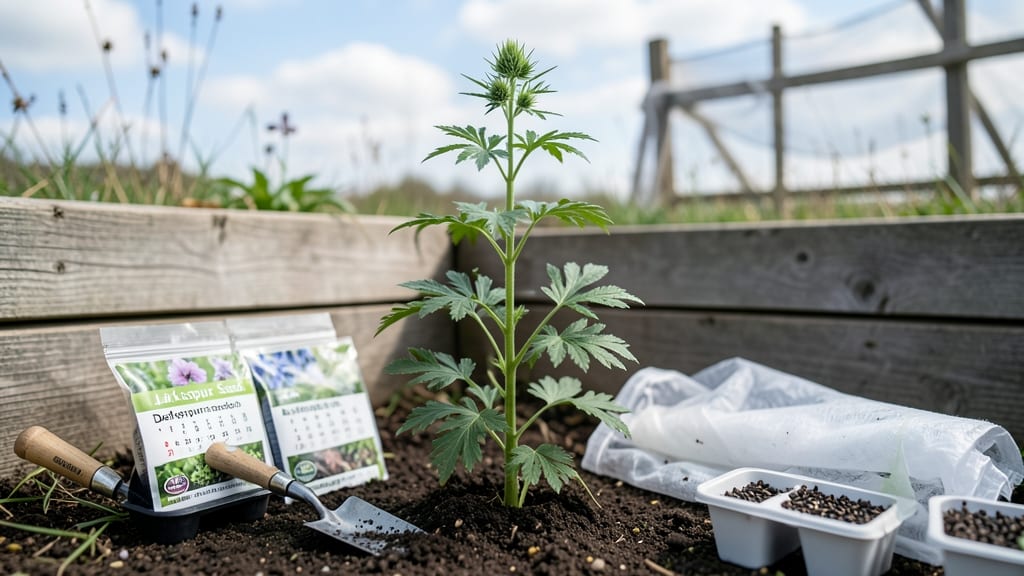
Timing when to plant larkspur seeds in zone 6 just right could mean the difference between a garden bursting with 🌸 spires and a season of disappointment.
These delicate blooms demand precision—plant too early, and frost will nip your seedlings in the bud; too late, and you’ll miss their showstopping summer display.
Most gardeners in Zone 6 swear by two windows: early spring (March-April) or late summer (July-August). But here’s the catch—your local frost dates and soil temperatures play a bigger role than you might think.
I’ll break down the exact timing, including how to adjust for early or late planting, so you can grow larkspur like a pro.
Whether you’re a beginner or a seasoned gardener, getting this right means more vibrant blooms and fewer second-guesses. Let’s dive into the frost-free timeline that’ll have your larkspur thriving all season long.
You’ll learn how to read your climate, pre-treat seeds for better germination, and avoid common mistakes that kill larkspur before it even takes root. Trust me, your future blooms will thank you.
Zone 6 larkspur planting calendar: exact dates for frost-free success
Larkspur thrives in Zone 6 when planted at the right time—typically 3-4 weeks before your last frost date (around mid-March to early April). These delicate seeds need consistent soil temperatures above 40°F (4°C) to germinate, so timing is critical.
Miss the window, and you risk frost damage or stunted growth.
For summer blooms, aim for late summer sowing (July to early August). This second window lets larkspur establish roots before cooler fall temperatures slow growth. However, summer planting requires extra shade to prevent seedling stress during heatwaves.
🌸 Pro Tip: Check your local USDA 6a/6b frost dates—some areas (like Chicago) average last frosts in mid-April, while others (like Denver) may see frost until early May. Adjust accordingly!
| Planting Window | Soil Temp | Frost Risk | Bloom Time |
|---|---|---|---|
| Early Spring (March 15–April 15) | 40–50°F (4–10°C) | High (late frosts) | June–July |
| Late Summer (July 15–August 15) | 50–60°F (10–15°C) | Low (fall frosts rare) | September–October |
| Extended Spring (April 16–May 15) | 50–65°F (10–18°C) | Moderate (use row covers) | July–August |
If you’re in Zone 6a (colder microclimates like Minneapolis), err on the side of late March planting—soil warms slower there. For Zone 6b (warmer areas like St. Louis), early April is ideal. Always test soil temperature with a thermometer—larkspur seeds won’t germinate below 40°F (4°C).
For direct sowing outdoors, scatter seeds lightly (they need sunlight to germinate) and press them 1/4-inch deep. Overcrowding leads to leggy, weak stems. Space seeds 6–12 inches apart—they’ll self-thin as they grow. Mulch with straw to retain moisture and deter weeds.
🌱 Watch Out: Larkspur seeds take 2–4 weeks to sprout. If you don’t see greens in that time, re-sow—they’re notorious for slow germination. Keep soil moist but not soggy during this period.
After germination, thin seedlings to 12–18 inches apart to prevent disease and improve airflow. Full sun (6+ hours daily) is non-negotiable—shady spots yield weak stems and fewer blooms. Amend soil with compost before planting to ensure good drainage, as larkspur hates soggy roots.
For container growing, use deep pots (12+ inches) with drainage holes. Plant 2–3 seeds per pot and place in a south-facing window or under grow lights until soil warms. Containers dry out faster, so water daily until established.
💧 Watering Hack: Water in the early morning to reduce fungal risks. Larkspur’s deep roots mean deep watering (1–2 inches per week) is better than frequent shallow drinks. Let the top inch of soil dry between waterings to prevent rot.
Zone 6 larkspur planting calendar: exact dates for frost-free success
Larkspur thrives in Zone 6 when planted during two key windows: early spring (March–April) or late summer (July–August). These timings align with soil temperatures of 50–60°F, ideal for germination. Missing these windows risks frost damage or delayed blooms.
In Zone 6a (colder microclimates), aim for April 1–15 to avoid late frosts, while Zone 6b gardeners have flexibility until April 20. For late summer planting, July 15–August 15 ensures blooms before winter sets in.
For early spring planting, pre-treat seeds with cold stratification (4–6 weeks in the fridge) to mimic winter conditions. This boosts germination rates from 30% to 80%. In late summer, prioritize well-draining soil to prevent rot during warm, humid conditions.
Regional microclimates matter! If your area has late spring frosts, opt for July planting instead. Use row covers if extending the spring window—just remove them once buds form to avoid overheating.
Pro tip: Larkspur seeds need light to germinate, so press them 1/8-inch deep into moist soil. Avoid burying deeper, or they’ll rot. Mulch lightly after planting to retain moisture without smothering seedlings.
Monitor your local last frost date (typically April 15 in Zone 6) and count back 3–4 weeks for ideal timing. This ensures seedlings emerge strong and tall enough to handle summer heat.