
Plants
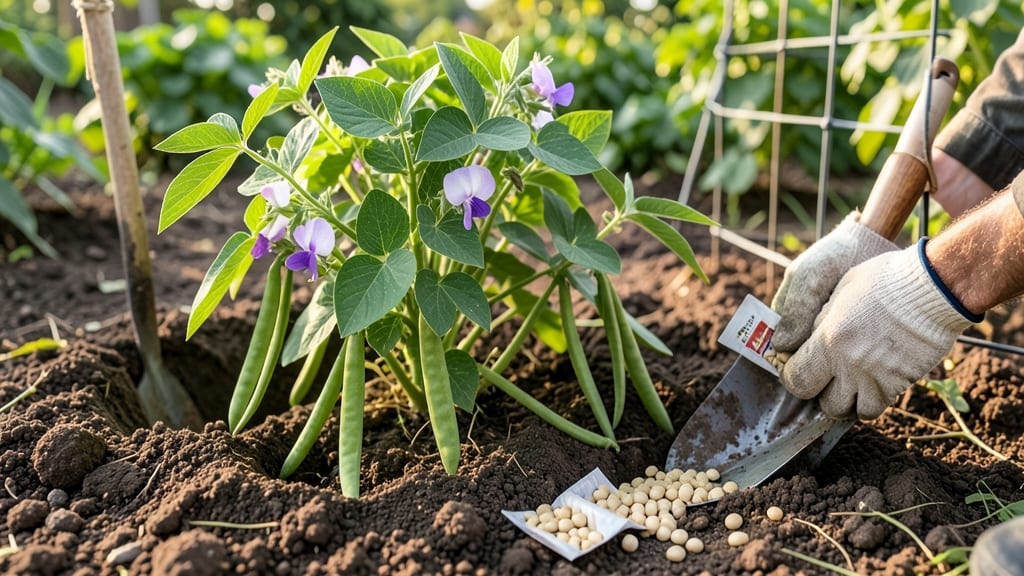
Planting cowpeas in Texas isn't just about timing—it's about surviving the heat while maximizing those 60-90 days of harvest potential. These drought-resistant legumes 🌱 can handle Texas' scorching summers, but get the timing wrong, and you might end up with stunted plants or bitter pods.
The key is knowing exactly when to sow them by your hardiness zone, whether you're in North Texas' cooler stretches or South Texas' relentless sun.
Most Texas gardeners swear by planting cowpeas between March and September, but the sweet spot shifts depending on where you live. In Zone 8a, you'll want to start after the last frost—typically mid-February in North Texas—but wait until late April in Zone 10b to avoid early heat stress.
The secret? Plant when soil temperatures hit at least 60°F, giving those seeds the warm start they crave before summer's full fury arrives.
Here's where things get interesting: cowpeas actually thrive in Texas' late summer heat, making them a perfect fit for our long growing seasons. But not all varieties handle the Lone Star State's extremes equally.
Some heat-tolerant types like Purple Hull or Black-Eyed Pea varieties can handle our 100°F+ days better than others, giving you that consistent harvest from May through November when other crops might wilt.
Ready to grow cowpeas that actually produce? I'll walk you through the exact months to plant by zone, which heat-tolerant varieties perform best, and how to avoid the common mistakes that turn Texas gardens into cowpea graveyards.
Let's get those seeds in the ground at the perfect time—because in Texas, timing isn't just important, it's everything.
Best planting months for cowpeas in Texas by hardiness Zone
Texas’ long, hot summers make cowpeas a perfect fit—but timing is everything. Plant too early, and late frosts will kill tender seedlings. Wait too long, and scorching heat stunts growth. The ideal window depends on your USDA hardiness zone (8a–10b) and local frost dates.
In North Texas (Zone 8a), aim for April 15–May 15 after the last frost (typically March 15).
For Central Texas (Zone 8b–9a), March 1–April 30 works best. South Texas (Zone 9b–10b) gardeners can plant as early as February 15 or even late summer (August–September) for a fall harvest.
Cowpeas thrive when soil temps hit 60°F+. Use a soil thermometer to confirm—cold soil delays germination. In West Texas (Zone 8a), where summers are brutal, late August sowings can yield pods before winter sets in.
For maximum yield, align planting with rainfall patterns. In East Texas, May–June plantings benefit from summer showers. In drier regions, drip irrigation is a must to prevent drought stress.
Pro Tip: In Zone 10b, you can plant year-round with minimal frost risk, but avoid peak summer (June–July) unless you provide shade cloth to protect seedlings from 100°F+ soil temps.
🌱 Texas Cowpea Planting Guide by Zone
| Zone | Best Planting Window | Soil Temp Threshold | Harvest Window | Key Tip |
|---|---|---|---|---|
| 8a (North TX) | April 15–May 15 | 60°F+ | July–September | Wait for last frost (Mar 15) |
| 8b–9a (Central TX) | March 1–April 30 | 60°F+ | June–October | Use mulch to retain moisture |
| 9b–10a (South TX) | February 15–March 30 OR August–September | 65°F+ | May–June OR October–November | Fall plantings avoid peak heat |
| 10b (Deep South TX) | Year-round (avoid June–July) | 60°F+ | March–April OR September–November | Use shade cloth for summer sowings |
For extended harvests, try succession planting every 2–3 weeks in spring. In Central Texas, this means March 1, March 15, April 1 sowings to stagger maturity. South Texas growers can add August–September plantings for a fall crop before first frost.
Always test soil pH (ideal: 6.0–6.8). Cowpeas fix nitrogen, but acidic soil slows growth. Amend with lime if needed. Well-draining soil is critical—clay-heavy areas risk root rot during Texas’ heavy summer rains.
In West Texas, where water is scarce, mulch heavily with straw to lock in moisture. Drip irrigation at the base of plants (not overhead) prevents fungal diseases like powdery mildew, common in 90°F+ humidity.
Remember: Heat tolerance ≠ frost tolerance. Even Zone 10b cowpeas can suffer if unexpected cold snaps hit in November. Always check your local Almanac frost dates for backup.
Best planting months for cowpeas in Texas by hardiness Zone
Texas’ diverse hardiness zones (8a–10b) mean cowpeas can thrive year-round—but timing is everything. In North Texas (8a–9a), wait until mid-April after the last frost (typically February 15), while Central Texas (9a–9b) gardeners can start as early as late March.
For South Texas (10a–10b), the window stretches from February to October, thanks to milder winters.
Cowpeas hate cold soil. Plant only when soil temperatures hit 60°F+—use a soil thermometer to check.
In Zone 8a, this usually means late April, while Zone 10b allows for year-round planting with minimal frost risk. Late summer (August–September) is also ideal for a second crop in most regions.
Here’s your zone-by-zone planting guide, including soil prep tips and germination thresholds:
| Zone | Best Planting Window | Soil Temp Threshold | Germination Time |
|---|---|---|---|
| 8a (North Texas) | Mid-April to June | 60°F+ | 7–10 days |
| 9a (Central Texas) | Late March to July | 60°F+ | 5–8 days |
| 10a–10b (South Texas) | February–October | 55°F+ | 5–7 days |
For late-summer plantings, aim for August in North Texas or September in Central/South Texas to avoid fall frosts. In Zone 10b, you can even plant in November for a winter harvest. Just ensure 6+ hours of sunlight daily—cowpeas wilting in shade is a common mistake.
Pro tip: Mulch heavily after planting to retain moisture and regulate soil temps. Use straw or wood chips—never plastic, which traps heat and can scorch roots. Water deeply once a week (1–2 inches) to encourage deep root growth, which helps cowpeas survive Texas’ brutal summers.
If you’re in Zone 8a–9a and miss the spring window, don’t despair—succession plant every 2–3 weeks through July for continuous harvests. Just avoid planting in August if you’re in North Texas, as humidity spikes increase fungal risks like root rot.
Remember: Cowpeas are heat-lovers, but they hate soggy soil. Adjust your watering schedule if rains are heavy—drought tolerance kicks in after 4 weeks, but young plants need consistent moisture.
Start seeds indoors 2–3 weeks before last frost if you’re impatient, or direct-sow after April 15 for best results.