
Plants
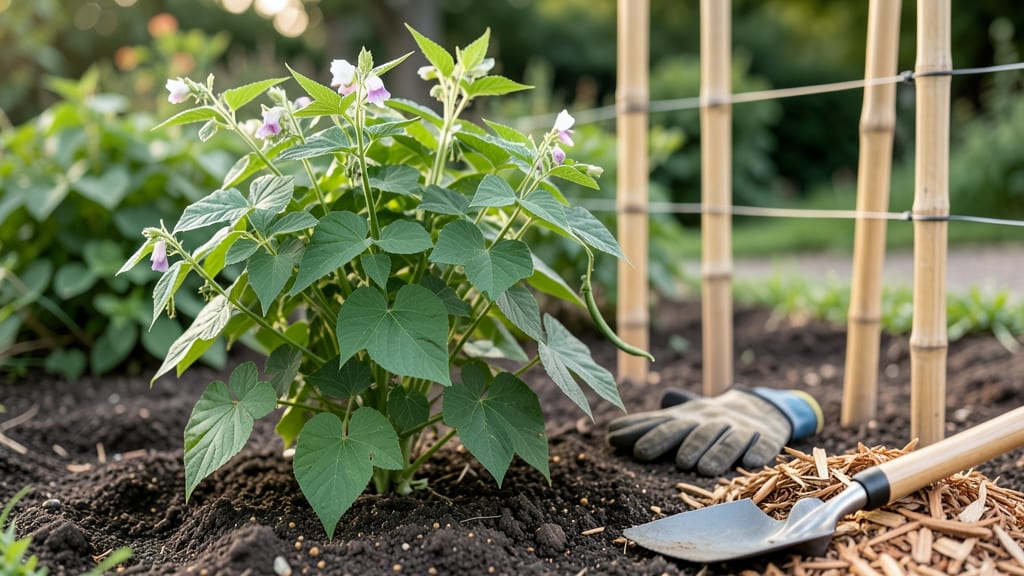
If you’ve ever watched your green bean 🌱 plants wilt under North Texas’ unpredictable weather, you know timing is everything. Planting too early risks frost damage, while waiting too long means sweltering heat cuts your harvest short.
The sweet spot? Understanding soil temperature triggers—not just calendar dates—can mean the difference between a bumper crop and a total bust.
North Texas gardeners in USDA Zones 7b-8a face unique challenges, from early spring frosts to brutal summer heat. The key is planting when soil reaches 60°F—typically mid-March to early June for spring beans and late July to early September for fall varieties.
But don’t just rely on dates; soil thermometers are your secret weapon for perfect timing.
In this guide, I’ll break down the exact soil temperature thresholds for your region, plus pro tips like pre-sprouting seeds for cooler periods and adjusting care for North Texas’ erratic weather.
Whether you’re a first-time gardener or a seasoned green thumb, these strategies will help you grow healthier, more productive green beans—no guesswork required.
Ready to skip the trial-and-error? Let’s dive into the science-backed planting window that’ll give you a harvest from May to October—no frost, no stress, just fresh-picked beans straight from your garden.
North Texas green bean planting zones by soil temperature (not just dates)
North Texas’ USDA Zones 7b-8a create unique challenges for green bean growers. While many guides focus on calendar dates, soil temperature is the real game-changer. Green beans thrive when soil reaches 55°F–65°F, but waiting too long risks summer’s 95°F+ heat, which stunts growth.
Let’s break down the optimal planting windows for your specific North Texas location.
In Dallas-Fort Worth, the last frost typically occurs around March 15, but soil may still be too cold. Use a soil thermometer to confirm temperatures—60°F+ is ideal for direct sowing.
For Waco and Central Texas, frost dates shift slightly earlier (late February to early March), but heat arrives faster, so act promptly. East Texas (e.g., Tyler) has cooler springs, giving you a 2-week buffer before rushing into planting.
Here’s the critical soil temperature rule: Plant when the 5-inch soil depth hits 60°F consistently for 3 days. This ensures roots establish before summer’s heat peaks. Miss this window, and you’ll face bolting (premature flowering) or poor pod development.
| Region | Soil Temp Threshold | Optimal Planting Window | Frost-Free Days Before Heat | Heat Risk Level |
|---|---|---|---|---|
| Dallas-Fort Worth | 60°F–65°F (5" depth) | Mid-April to early May | 60–75 days | High (95°F+ by June) |
| Waco/Central TX | 58°F–63°F (5" depth) | Late March to mid-April | 50–60 days | Very High (100°F+ by May) |
| East TX (Tyler) | 55°F–60°F (5" depth) | Early April to late April | 70–80 days | Moderate (90°F+ by July) |
| North TX (Amarillo) | 65°F+ (5" depth) | Late April to early May | 45–55 days | Low (85°F+ by June) |
For fall harvests, aim for late July to early August planting. This lets beans mature before the first frost (November 15). Use black plastic mulch to warm soil faster in spring or extend the season by 2–3 weeks in fall.
In North Texas’ shorter growing season, this trick is your secret weapon.
Pro tip: Pre-sprout seeds indoors 7–10 days before transplanting. This gives you a 2-week head start on the season. Use seedling trays with 50°F–55°F soil and move outdoors only after the last frost. Harden off seedlings by placing them outside for 2–3 hours daily for a week before transplanting.
If you’re in West Texas (e.g., Lubbock), where summers are even hotter, focus on shade cloth or drip irrigation to protect plants. Rattlesnake beans are a top choice here—they tolerate 95°F+ temperatures better than most varieties.
For East Texas, prioritize drought-resistant varieties like Contender or Blue Lake to handle erratic spring rains.
Remember: Soil temperature > calendar dates. Even if it’s March 15 (average last frost), your soil might still be 50°F. Wait for 60°F+ to avoid stunted plants. Use a soil thermometer—it’s the only way to guarantee success in North Texas’ unpredictable climate. 🌱
North Texas green bean planting zones by soil temperature (not just dates)
North Texas gardeners face a unique challenge with green beans: the soil temperature swings wildly between freezing winters and scorching summers. Unlike calendar dates, your planting success hinges on hitting the 55°F–65°F soil temperature window—when seeds germinate reliably without risk of frost.
In Dallas-Fort Worth, this typically aligns with mid-March to early April, while Waco’s slightly warmer microclimate may push planting to late February.
But timing isn’t just about avoiding frost. North Texas’ summer heat (often exceeding 100°F) can stress green beans planted after early June. The solution? A two-season approach: spring planting for early harvests and late summer planting (after July 4th) for fall yields.
Let’s break down the soil temperature triggers and regional adjustments that separate thriving harvests from failed attempts.
| Planting Window | Soil Temp Trigger | Last Frost Risk | Heat Tolerance | North Texas Region |
|---|---|---|---|---|
| Mid-March to Early April | 55°F–65°F | Low (post-March 15) | Moderate (avoid 90°F+) | Dallas-Fort Worth, Arlington |
| Late February to Mid-March | 50°F–60°F | High (frost risk) | Low (use row covers) | Waco, Temple |
| Late July to Early August | 65°F–75°F | None (summer heat) | High (drought-resistant varieties) | All regions |
| Early June (risky) | 70°F+ | None | Very Low (heat stress) | Avoid (unless shade-cloth used) |
🌱 Pro Tip: Use a soil thermometer ($10 at garden centers) to confirm temps—don’t guess!
For spring planting, wait until the soil temperature consistently stays above 55°F during the day. In Dallas, this usually happens by mid-March, but Waco’s warmer soils may allow planting as early as late February.
To extend your window, use black plastic mulch to warm the soil faster—this can shave off 1–2 weeks of waiting.
North Texas’ summer heat (often hitting 100°F+) makes late planting risky, but a late July to early August window works if you choose heat-tolerant varieties like ‘Contender’ or ‘Blue Lake’.
The key is shade cloth (30–50%) to protect plants from direct afternoon sun and drip irrigation to keep roots cool. Avoid planting after early September—days shorten too quickly for a full harvest before frost.
One final trick for North Texas gardeners: pre-sprout seeds indoors 7–10 days before your target planting date. This gives you a 2-week head start on the season, especially useful if spring brings unexpected late frosts.
Just plant the sprouted seeds 1 inch deep in warm soil—no need to bury them deeper. This method has helped me avoid failed germination in cooler-than-expected springs.
Remember, green beans are annuals, so don’t stress about saving seeds—just focus on hitting those soil temperature triggers twice a year for two bountiful harvests. With the right timing, you’ll beat North Texas’ climate challenges and enjoy fresh pods from May through October! 🌿