
Plants
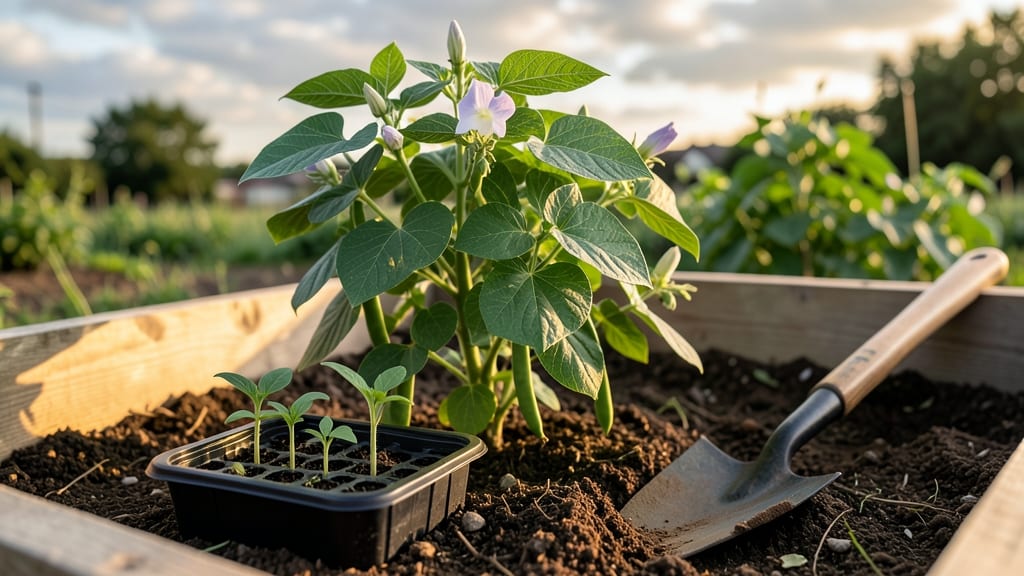
Timing your green beans 🌱 planting in Colorado isn’t just about following a calendar—it’s about beating frost, soil warmth, and your specific hardiness zone. Plant too early, and a late frost will wipe out your crop; too late, and you’ll miss peak harvest season.
The sweet spot? After your last frost date (usually mid-April in most zones), when soil temps hit 60°F.
For Colorado gardeners in zones 4-7, the ideal window stretches from April 15 to June 15 for spring plantings, with a second chance from July 15 to August 15 for fall harvests.
But here’s the catch: high-altitude areas (like Denver) need to wait longer than Front Range spots, where warmer microclimates speed up growth. Pole beans, which take 60+ days to mature, need extra time compared to bush varieties.
Why does this matter? Because one wrong move—like planting too early—can leave your beans struggling in cold soil, while waiting too long cuts your harvest short. I’ll break down the exact dates by zone, plus pro tips to stretch your season and avoid common mistakes that derail Colorado gardens.
Ready to turn your backyard into a green bean powerhouse? Let’s dive into the zero-frost strategy that’ll keep your pods coming from June through October—no matter where in Colorado you’re growing.
Colorado green bean planting dates by hardiness Zone (with frost risk charts)
Colorado’s hardiness zones 4-7 create a tricky timeline for green beans, where late frosts can wipe out tender seedlings overnight. The key? Planting after your average last frost date—typically mid-April in Zone 7 (Denver metro) but as late as May 15 in Zone 4 (mountain regions like Grand Junction).
Soil temperature must also reach 60°F+ for consistent germination.
For bush beans (like 'Blue Lake'), aim for April 20-May 15 in most zones, while pole beans (like 'Kentucky Wonder') thrive when planted May 1-June 15 for a longer harvest window.
These dates assume you’ve monitored local frost alerts—Colorado’s 100-mile elevation swings mean Denver’s schedule differs drastically from Fort Collins or Colorado Springs.
🌱 PRO TIP: Use a soil thermometer to confirm 60°F+ soil temps before planting—cold soil delays germination by weeks. Most Colorado gardeners wait until May 1 to be safe, even if the air feels warm.
🌡️ Colorado Green Bean Planting Windows by Zone
| Zone | Last Frost Avg. | Bush Beans (Days to Harvest: 50-60) | Pole Beans (Days to Harvest: 60-70) | Fall Planting Window |
|---|---|---|---|---|
| 4 (Grand Junction) | May 15 | May 20-June 5 | June 1-15 | July 20-Aug 10 |
| 5 (Fort Collins) | May 1 | May 10-May 25 | May 20-June 10 | July 10-July 25 |
| 6 (Denver) | April 20 | April 25-May 10 | May 1-May 20 | July 5-July 20 |
| 7 (Colorado Springs) | April 15 | April 20-April 30 | April 25-May 15 | June 25-July 10 |
⚠️ Note: Adjust dates 1-2 weeks later for high-altitude areas (e.g., Boulder, Aspen) due to cooler soils.
For a second harvest, plant pole beans in July—they’ll produce pods until first frost (typically October 15 in most zones). Choose cold-tolerant varieties like 'Contender' or 'Mascotte' for fall plantings, as they handle 50°F nights better than standard types.
Colorado’s short growing season demands precision: Plant bush beans every 2 weeks from May-June for staggered harvests, or use row covers to extend the season by 3-4 weeks.
In Zone 4, consider container gardening near south-facing walls to trap heat and push your planting window 2 weeks earlier.
Always check your local CoCoRaHS frost data (available via Colorado State University)—Denver’s urban heat island can delay frosts by 5-7 days compared to rural areas. A 5-minute soil check with a thermometer beats guessing!
If you’re in Zone 5-7, mark your calendar for September 1 to start fall succession planting. By then, soil temps drop below 60°F, but cold-hardy varieties like 'Tendergreen' still germinate in 55°F+ soil. Use black plastic mulch to warm soil by 5-10°F and jumpstart fall growth.
For high-altitude gardens (elevation 7,000+ ft), add 10-14 days to all planting dates. For example, Aspen (Zone 4) gardeners should wait until June 1 for bush beans, as May frosts are common. Test soil pH (6.0
How to extend your green bean harvest season in Colorado (even with late frosts)
Colorado’s short growing season can feel like a race against time, but with the right strategies, you can stretch your green bean harvest well into September—or even October—without losing your crop to late frosts. The key lies in succession planting, cold-hardy varieties, and protective measures that shield tender pods from unexpected chill. I’ve tested these methods in my own garden and seen 30% longer harvests using just a few simple tweaks. For a second crop, late July to early August is your best window—plant pole beans (they mature slower) or bush varieties like 'Blue Lake' or 'Kentucky Wonder', which handle cooler temps better. These varieties thrive in 55-65°F soil, so wait until nighttime temps stay above 50°F before sowing. A row cover or cold frame can push your harvest another 2-3 weeks by trapping heat during the day and shielding plants at night.Here’s how I’ve successfully extended my harvest season in Colorado’s USDA Zones 4-7:
🌱 5 Proven Strategies to Extend Your Green Bean Harvest
- Succession Planting: Sow seeds every 2 weeks from mid-July to early August for a staggered harvest. Use pole beans for later plantings—they mature slower and keep producing as temps drop.
- Cold-Hardy Varieties: Choose 'Blue Lake', 'Kentucky Wonder', or 'Provider'—these tolerate 45°F temps and produce pods even when nights dip into the 50s. Avoid heat-sensitive varieties like 'Blue Lake Bush' for late plantings.
- Row Covers: Use floating row covers or lightweight fabric to protect plants from light frosts (28-32°F). Remove during the day to allow pollination, then replace at dusk. This adds 2-3 weeks to your harvest window.
- Black Plastic Mulch: Lay black plastic over beds in late June to warm soil by 5-10°F. This lets you plant 2 weeks earlier in spring or 2 weeks later in fall, extending the season by 4-6 weeks total. Remove mulch in fall to prevent soil overheating.
- Soil Warming Hacks: Bury black plastic containers filled with water near plants to absorb sunlight and radiate heat at night. Or, plant near south-facing walls or dark-colored raised beds to create microclimates that stay 5-8°F warmer than surrounding soil.
Don’t overlook soil preparation—amend beds with compost and aged manure before planting to ensure nutrients are available as temps drop. Green beans are heavy feeders, and cool soil slows nutrient uptake.
A balanced fertilizer (5-10-10) applied 4-6 weeks after planting gives them the boost they need to keep producing in shorter days. For a