
Plants
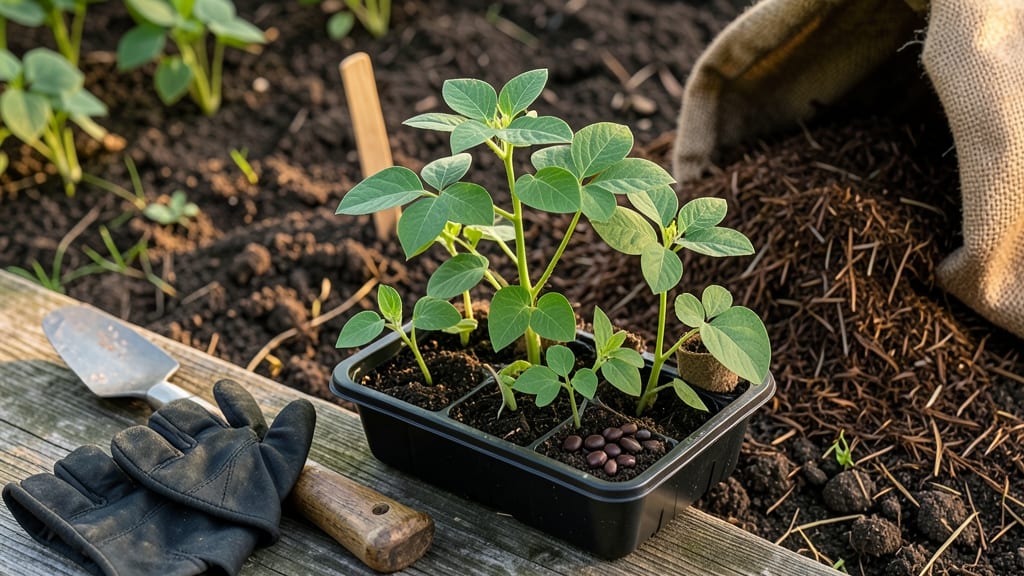
If you’ve ever struggled with when to plant green beans in Utah—watching them bolt into bitter pods or wither from a late frost—you know timing is everything in the state’s tricky climate.
Planting too early risks frost damage, while waiting too long cuts your harvest short—but there’s a science to getting it right.
The key isn’t just checking the calendar; it’s tracking soil temperature (not air temperature) to pinpoint when your beans will thrive. In Utah’s USDA Zones 5-8, this means waiting until the ground hits a steady 50°F+ for two weeks, whether you’re in the high desert or valley.
Miss this window, and you’ll end up with stunted plants or no harvest at all.
I’ll break down the exact planting windows for spring and fall—plus how to adjust for Utah’s microclimates—so you can avoid common mistakes and enjoy fresh green beans from June through October. No more guesswork, just a foolproof plan for your garden.
Ready to transform your green bean game? Let’s dive into the frost-free soil triggers that’ll guarantee a bountiful harvest, no matter where you are in the state.
Utah’s green bean planting calendar: frost-free soil temperature zones
Utah’s diverse climate—from the high desert of St. George to the valleys of Salt Lake City—means green beans can thrive in two distinct planting windows. The key? Soil temperature, not just air temperature.
Most green beans need soil at 50°F or warmer for 2+ weeks to germinate properly. Ignore this, and you risk stunted growth or frost damage.
Spring planting typically starts in mid-April to mid-June, while fall planting runs from late July to early August. But these dates vary by USDA zones 5-8 across Utah.
For example, Ogden’s last frost often hits around April 15, while St. George’s last frost can be as late as March 15—a full month earlier!
Here’s the critical rule: Wait until the soil temperature consistently stays above 50°F for at least 14 days. Air temperature can drop at night, but soil warmth ensures germination. Use a soil thermometer (or a DIY test like planting radishes first—they sprout quickly when soil is ready).
Microclimates matter. Northern Utah (Salt Lake City, Provo) has shorter growing seasons, so focus on early-maturing varieties (50-55 days to harvest). Southern Utah (St. George, Cedar City) can push a second fall crop, thanks to warmer nights. Even there, though, a late-September frost can end the season abruptly.
Pro tip: If you’re planting in high-elevation areas (above 6,000 ft), like Park City, opt for cold-hardy varieties like ‘Tendergreen’ or ‘Blue Lake.’ These tolerate cooler soils better than heat-loving types. Always check your local Cooperative Extension Service for updated frost data—Utah’s climate shifts yearly.
Now, let’s break down the exact planting windows by region, so you can avoid the guesswork:
| Region | USDA Zone | Last Frost Date | Spring Planting Window | Fall Planting Window | Soil Temp Trigger |
|---|---|---|---|---|---|
| Northern Utah (Salt Lake City, Ogden, Provo) | 6-7 | Mid-April | Mid-May to Early June | Late July to Early August | 50°F+ for 2+ weeks |
| Central Utah (Park City, Heber) | 5-6 | Late April | Early June to Mid-June | Early August (risky) | 50°F+ for 2+ weeks |
| Southern Utah (St. George, Cedar City) | 8-9 | Mid-March | Early April to Early May | Late July to Mid-August | 55°F+ for 2+ weeks |
| High Desert (Moab, Price) | 6-7 | Early April | Late May to Early June | Late July (limited) | 50°F+ for 2+ weeks |
Notice how Southern Utah can plant earlier and later? That’s because higher soil temperatures (often 55°F+) allow for extended seasons. In contrast, Northern Utah’s shorter frost-free window (about 130-145 days) demands faster-growing varieties.
Always factor in your local elevation—every 1,000 ft gain delays planting by roughly 5-7 days.
For example, if you’re in Ogden (4,300 ft), aim for May 15 planting. But in St. George (2,800 ft), you could plant as early as April 1 and still squeeze in a fall crop by July 30.
Use these guidelines as a starting point, then adjust based on your garden’s microclimate—like a south-facing slope that warms up faster.
One common mistake? Planting too early based on air temperature alone. A 60°F morning might feel warm, but if the soil is still 45°F, your seeds will rot in the ground.
Always test your soil—it’s the only way to guarantee success. Next, we’ll dive into 5 foolproof soil temperature triggers to plant green beans in Utah without guessing.
🌱
5 Soil temperature triggers to plant green beans in Utah (without guessing)
Utah’s soil temperature can vary by 20°F+ from air temps, making frost dates unreliable. Green beans need consistent 50°F+ soil for 2+ weeks to thrive. Here’s how to test readiness without guessing—because cold soil = stunted growth or worse.
First, grab a soil thermometer (or a cheap digital one from your garden center). Stick it 2 inches deep—this mimics where your seeds will be. Check temps at 10 AM for 3 days in a row. If it’s below 50°F consistently, wait.
Pro tip: Morning soil temps are usually 5-10°F colder than afternoon readings. If your thermometer shows 55°F+ by midday, it’s safe to plant. For pole beans, wait until 60°F+—they’re slower to germinate.
🌱Visual cue: Watch for dandelions blooming or cherry trees in full leaf. These signal soil temps are likely in the 50-60°F range—your green beans’ sweet spot.
🌡️ 5 Soil Temp Triggers for Utah Planting
- Trigger 1: 50°F+ for 2+ weeks (bush beans)
- Trigger 2: 60°F+ for 1 week (pole beans)
- Trigger 3: Soil probe test: Push a wooden skewer into soil—if it feels warm to touch, it’s ready.
- Trigger 4: Test crop: Plant radishes 1 week before beans—they germinate faster and signal safe soil.
- Trigger 5: 30-year frost data: Check Almanac’s Utah frost maps—your last frost date may be 2 weeks earlier than neighbors’ due to elevation.
For fall planting, aim for soil temps <65°F—beans bolt (flower prematurely) in heat. Test soil in late July for St. George or early August for Salt Lake City. Use black plastic mulch to warm soil faster if temps lag.
Remember: Direct-sowing beats transplants in Utah’s dry climate. Seeds need moisture contact to germinate—water 1 inch deep the day you plant. For pole beans, use trellises early to save time later.
✂️ Action step: Mark your calendar for 2 weeks after your soil hits 50°F—that’s your planting deadline. Set a reminder to test soil again if temps dip!