
Plants
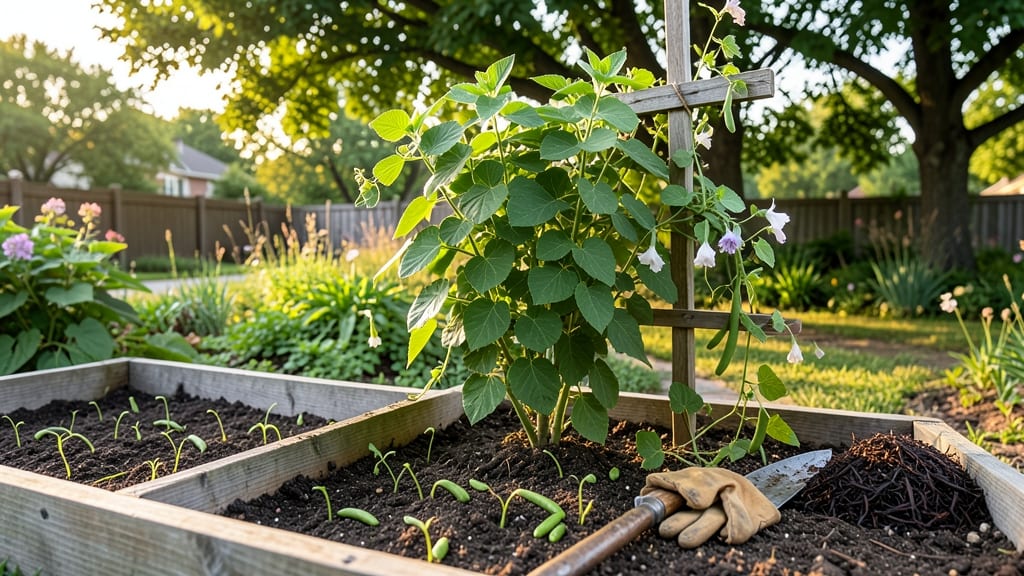
Timing when to plant green beans in Zone 5 just right can mean the difference between a garden full of crisp, sweet pods and a sad, bolting mess.
The key isn’t just waiting for the calendar to say “spring”—it’s watching for that perfect soil temperature window when your 🌱 seeds will actually thrive.
Most gardeners in Zone 5 make one critical mistake: planting too early when the soil is still chilly. Green beans need warmth to germinate properly, and cool spring nights can send them into early flowering—leaving you with tough, stringy pods instead of the tender harvest you’re after.
I’ve learned the hard way that patience pays off, and there’s a science to getting this right.
In this guide, I’ll break down exactly when to plant—both for that first spring batch and the often-overlooked fall crop. We’ll cover soil temperature triggers, frost-free windows, and even how to stretch your harvest with succession planting.
Whether you’re a first-time gardener or a seasoned pro, these tricks will help you avoid common pitfalls and grow beans that taste like they came straight from the farmers’ market.
The best part? With the right timing, you can enjoy fresh green beans from late June all the way through October. Let’s get started on your planting schedule—no more guesswork, just delicious results.
Zone 5 green bean planting timeline by soil temperature (not calendar dates)
Green beans in Zone 5 don’t care about your calendar—they respond to soil temperature. Planting too early when the ground is still chilly (below 50°F) stalls germination, while waiting until mid-June risks heat stress. The sweet spot? Soil at 50–60°F for consistent sprouting.
Your last frost date (typically mid-May in Zone 5) is a starting point, but soil warms slower than air. Use a soil thermometer or the finger test: press your finger into the soil—if it feels cool but not freezing, it’s likely in the ideal range.
For a longer harvest, plant early-maturing varieties (like Blue Lake) 2–3 weeks before your last frost, then follow with heat-tolerant types (such as Contender) in early July. This strategy gives you beans from late June to October.
🌱
| Stage | Soil Temp (°F) | Action | Notes |
|---|---|---|---|
| Early Spring | Below 50°F | Wait | Seeds won’t sprout; risk of rot |
| Optimal Planting | 50–60°F | Sow seeds | Germination in 7–10 days |
| Late Summer | Above 70°F | Plant heat-tolerant varieties | Extend harvest into fall |
| Fall Frost | Below 40°F | Harvest or mulch | Protect plants with row covers |
If you’re starting seeds indoors, begin them 4–6 weeks before your last frost date. Use grow lights to maintain 70–75°F soil for faster germination. Transplant seedlings outdoors only after nighttime temps stay above 50°F consistently.
For container gardening, use black pots to absorb heat—these warm up 5–10°F faster than traditional containers. Place pots in full sun and monitor soil temps daily with a thermometer.
In northern Zone 5 (e.g., Minnesota), aim for late May to early June plantings, while southern Zone 5 (e.g., Kentucky) can start as early as mid-April. Check your local cooperative extension for hyper-local frost data.
Pro tip: Mulch heavily after planting to keep soil temps stable. Straw or shredded leaves help maintain that 50–60°F window longer, especially on cool, cloudy days.
🌿
Zone 5 green bean planting timeline by soil temperature (not calendar dates)
Zone 5 gardeners often rely on calendar dates for planting, but green beans care more about soil temperature than the month. Your beans need consistent 50–60°F soil to germinate properly—cold soil delays growth or causes rot.
In my experience, waiting for the right temp prevents wasted seed packets and bitter harvests.
Most Zone 5 areas experience their last spring frost around mid-May, but soil warms more slowly. I test soil with a simple moisture test: Press your finger 1 inch deep—if it feels cool to the touch, wait a few days.
For accurate readings, invest in a soil thermometer (under $10) to avoid guesswork.
Here’s my Zone 5 planting timeline based on soil temperature, not just frost dates:
| Stage | Soil Temp | Action | Notes |
|---|---|---|---|
| Early Spring | Below 50°F | Wait | Cold soil delays germination; risk of rot. |
| Mid-April to May | 50–60°F | Plant bush beans | Ideal for Blue Lake or Kentucky Wonder. |
| Late May to June | 60–70°F | Plant pole beans | Heat-tolerant varieties like Contender thrive. |
| July (Fall Prep) | 55–65°F | Succession plant | Extend harvest until first frost (mid-October). |
For a longer harvest, I plant two varieties: early-season bush beans (like Provider) for June harvests, and heat-tolerant pole beans (like Rattlesnake) for late summer. This strategy gives me fresh beans from July to October—no gaps!
Pro tip: Use black plastic mulch to warm soil faster in early spring. Lay it down 2–3 weeks before planting to jumpstart germination. I’ve seen 10–14 days earlier growth with this trick in my Zone 5b garden.
Remember, soil temp > calendar dates. Even if your neighbor plants in April, their cold, wet soil might stall your beans. Stick to the thermometer, and you’ll avoid the heartbreak of bolting or poor germination.