
Plants
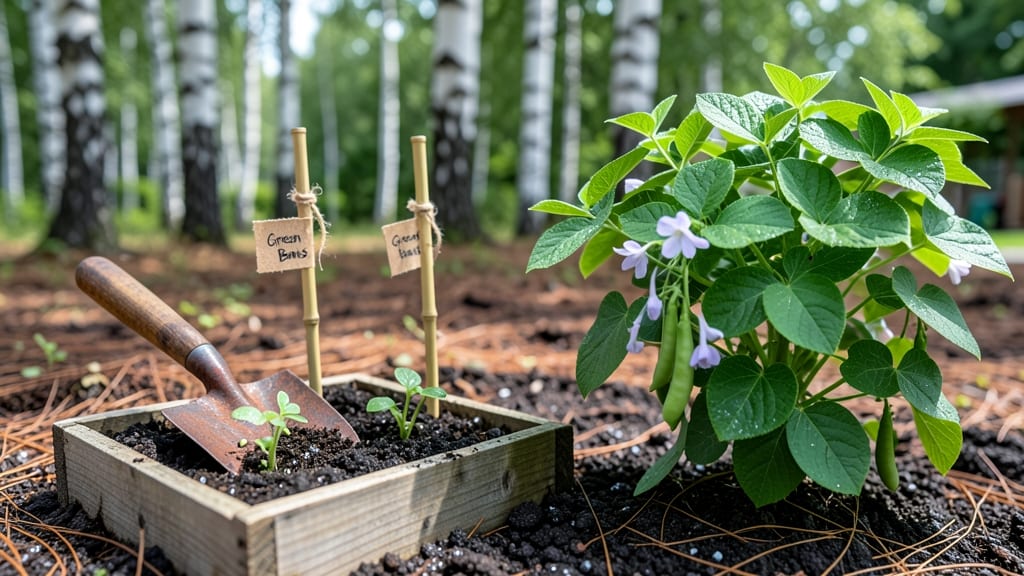
If you're wondering when to plant green beans in CT, timing is the secret weapon for a thriving harvest. Connecticut's Zone 6a climate means frost can still linger well into May, so planting too early risks losing your tender young plants.
For most gardeners, the sweet spot is between April 15 and May 15 after the last frost date - typically around April 15 in most areas.
But here's the game-changer: you can actually get two harvests in one season by planting again in late summer for a fall crop between August 1 and September 1.
Why does this matter? Because green beans 🌱 are fast growers - you'll see harvests as early as July for spring plantings and again in September-October for fall crops. The key is understanding how Connecticut's microclimates vary from Hartford to Stamford and adjusting your timing accordingly.
Let me show you exactly how to time your plantings for maximum success, including soil temperature tricks and variety recommendations that thrive in our climate. Your garden's best harvest starts with knowing when to put those seeds in the ground.
Optimal planting dates for green beans in CT’s Zone 6B/7A
Connecticut’s Zone 6B/7A climate demands precision when planting green beans—miss the frost-free window, and your crop could fail. The last spring frost typically arrives between April 15-30, while the first fall frost hits around mid-October.
For best results, aim to plant 2-3 weeks after the last frost date to ensure soil temperatures stay above 55°F for germination.
In southern CT (e.g., Stamford, New Haven), where microclimates run slightly warmer, you can start as early as late April. Meanwhile, northern CT (e.g., Hartford, Litchfield) gardeners should wait until mid-to-late May to avoid frost damage. Always check your local CT Agricultural Experiment Station for real-time frost alerts.
Green beans thrive in warm soil (60-65°F), so use a soil thermometer to confirm readiness. If temperatures dip below 50°F, germination slows dramatically. Pro tip: Plant bush beans slightly earlier than pole beans, as they mature faster and tolerate cooler soils.
For a fall harvest, sow seeds between August 1-15 in southern CT or August 15-September 1 in northern areas. This second planting lets you enjoy beans until the first frost, extending your growing season by 4-6 weeks. Choose cold-tolerant varieties like 'Kentucky Wonder' for fall success.
🌱
| Planting Window | Soil Temp | Variety Tips | Regional Notes |
|---|---|---|---|
| April 15–May 15 (Spring) | 60–65°F | Bush beans (e.g., 'Blue Lake') | Southern CT: Late April; Northern CT: Mid-May |
| August 1–September 1 (Fall) | 55–60°F | Pole beans (e.g., 'Kentucky Wonder') | Plant 8–10 weeks before first frost |
| May 1–June 1 (Succession) | 60–65°F | Mix bush & pole types | Stagger plantings every 2 weeks |
Direct sowing is the best method for green beans—they hate transplanting. Drop seeds 1 inch deep and 3-4 inches apart in rows spaced 18-24 inches apart. If using pole beans, install trellises or stakes at planting time to save space and improve airflow, reducing disease risk.
Monitor your garden for soil moisture after planting. Keep the soil consistently damp (not soggy) until germination, which typically takes 7-14 days. Mulch with straw or grass clippings to retain moisture and suppress weeds, especially during CT’s hot, dry summers.
For urban gardeners with limited space, consider container growing. Use pots at least 12 inches deep and 18 inches wide, filling them with well-draining potting mix. Place containers in full sun and water daily until established, then every 2-3 days during dry spells.
🌿
Remember, succession planting is key to a continuous harvest. In CT’s short growing season, sow new seeds every 2 weeks from late April through early June for a non-stop supply until the first frost. This strategy works especially well for bush beans, which mature in just 50-60 days.
If you’re new to green bean gardening, start with 2-3 varieties to test what thrives in your microclimate. Keep a planting journal to track frost dates, soil temps, and harvest times—this will help you refine your schedule year after year.
With the right timing, you’ll enjoy homegrown beans from July through October!
Optimal planting dates for green beans in CT’s Zone 6B/7A
Connecticut’s Zone 6B/7A climate demands precision when planting green beans. The last average frost date in most areas (like Hartford and New Haven) falls around April 15–May 1, but soil temperature must reach 55–65°F for germination.
Waiting until mid-May minimizes frost risk while ensuring warm enough soil—critical for these warm-season crops.
For a spring harvest, aim to plant between May 15–June 1. This window balances frost avoidance with summer heat tolerance. In cooler microclimates (e.g., Stamford), delay until late May to prevent seed rot from lingering cold. Always check 7-day forecasts before sowing—unpredictable late frosts can still occur.
🌱 Green Bean Planting Timeline for CT
| Stage | Action | Notes |
|---|---|---|
| Soil Prep | Test pH (6.0–7.0), amend with compost | Use aged manure for nitrogen |
| Spring Planting | Sow seeds 1" deep, 3–4" apart after May 15 | Wait for soil ≥60°F |
| Fall Planting | Sow August 1–September 1 for late harvest | Use cold-tolerant varieties |
| Harvest Window | July–August (spring) or September–October (fall) | Pick every 2–3 days for best flavor |
Don’t overlook fall planting, which can yield a second harvest before the first frost (mid-October). Start seeds indoors in late July or direct-sow August 1–September 1. Varieties like ‘Blue Lake Bush’ mature faster (50–60 days) and tolerate cooler temps better than heat-sensitive types.
For pole beans, extend the season by planting in early August—their vines provide shade, delaying soil cooling.
Local microclimates matter: Coastal areas (e.g., New Haven) stay warmer longer, while inland zones (e.g., Hartford) cool faster. Use row covers to push spring planting to April 20–May 1 or extend fall harvests into early November. Monitor CT Agricultural Experiment Station frost alerts for real-time adjustments.
For transplants, start seeds indoors 4–6 weeks before your target outdoor date. Harden off seedlings by May 1 for spring or August 15 for fall. Transplant on overcast days to reduce stress—this is especially critical in CT’s humid summers, where sudden heat spikes can shock young plants.
Pro tip: Mark your calendar for June 15 as the last safe date for spring sowing. After this, the dog days of summer (July–August) can cause beans to bolt or produce bitter pods. Prioritize shade cloth or afternoon watering to maintain crisp yields through September.