
Plants
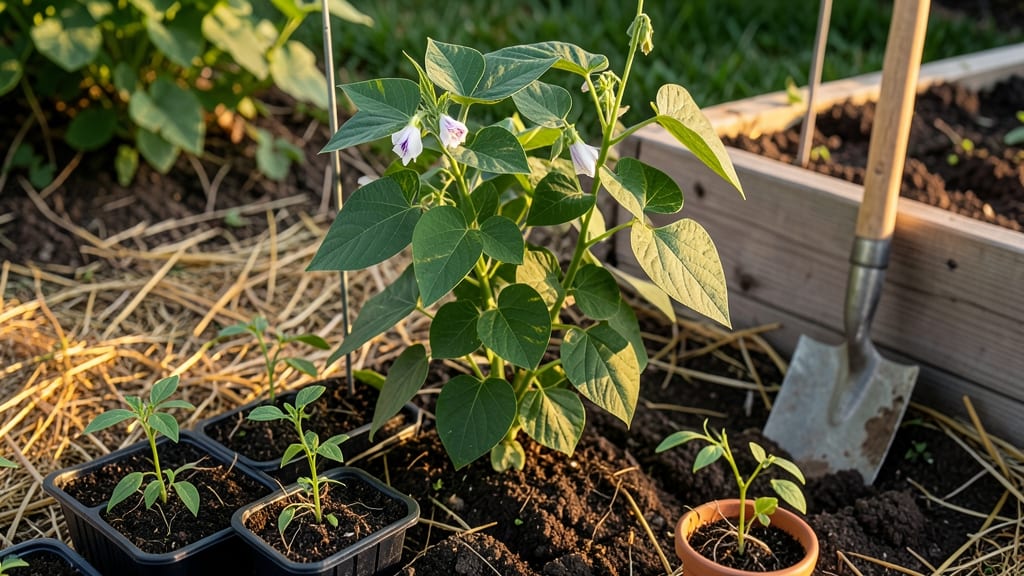
Best planting months for green beans in southern California’s climate zones
Southern California’s microclimates create unique growing conditions for green beans. While most areas are frost-free year-round, coastal regions stay cooler longer, while inland zones can hit 90°F+ temperatures by late spring. This means your planting window depends on where you live—let’s break it down by zone.
For coastal areas (like San Diego or Santa Barbara), you can start seeds as early as late February for a spring harvest. Inland valleys (e.g., San Fernando Valley or Coachella Valley) should wait until mid-March to avoid early heat stress.
The key is planting when soil temps hit 60°F+—your seeds need warmth to sprout reliably.
Here’s the golden rule: Aim for two plantings—spring (March–April) and fall (August–September). Spring beans mature before summer’s peak heat, while fall plantings escape the worst of it. Inland growers can even squeeze in a late-summer planting (July) for a fall harvest before temperatures drop.
| Zone | Best Planting Window | Harvest Window | Soil Temp Goal | Notes |
|---|---|---|---|---|
| Coastal (e.g., San Diego, Santa Barbara) | Late February – Early April | May – July | 60°F+ | Cooler nights; extend season with row covers. |
| Inland Valleys (e.g., San Fernando, Coachella) | Mid-March – Early April | June – August | 65°F+ | Avoid planting before last frost (rare but possible in high deserts). |
| Desert (e.g., Palm Springs, Joshua Tree) | August – Early September | October – November | 70°F+ | Fall planting only; summer heat kills seedlings. |
| All Zones (Succession Planting) | Every 2–3 Weeks (Spring/Fall) | Staggered Harvests | 60°F+ | Sow new seeds every 2 weeks for continuous pods. |
If you’re in a high-desert area (like Joshua Tree or Palm Springs), forget spring planting—summer heat will fry your seeds. Instead, focus on late summer/fall plantings (August–September) for a harvest before winter rains arrive.
These areas have 300+ frost-free days, but even a light frost can damage tender green bean leaves.
Pro tip: Use a soil thermometer to check temps before planting. Green bean seeds won’t germinate below 60°F, and soil that’s too hot (90°F+) can cause poor sprouting. Coastal gardeners can plant earlier, but inland growers should wait until nighttime temps stay above 55°F consistently.
For container growing, adjust your timeline slightly. Potted soil heats up faster than in-ground soil, so wait until mid-April for spring plantings and early September for fall. Containers also dry out quicker, so keep them in partial shade during peak afternoon heat to prevent stress.
One common mistake? Planting too close to maturing summer heat. If you sow seeds in May, your beans will bolt (flower prematurely) before you get pods. Stick to the March–April or August–September windows for reliable harvests, and always choose heat-tolerant varieties like ‘Contender’ or ‘Blue Lake’.
Remember: Southern California’s long growing season is a gift, but it’s not infinite. Plan your plantings to beat the heat and you’ll enjoy fresh green beans from May through November—no frost risk in sight!
Best planting months for green beans in southern California’s climate zones
Southern California’s microclimates create two distinct planting windows for green beans—coastal areas and inland valleys. While most regions enjoy year-round frost-free growing, timing still matters to avoid summer heat stress.
The ideal planting months are March-April for spring harvests and August-September for fall production, with coastal zones offering slightly cooler conditions.
Inland areas like the San Fernando Valley or Coachella Valley face hotter summers, so I recommend planting early spring (February-March) to harvest before temperatures exceed 90°F. Coastal regions like Malibu or San Diego can extend planting into late April thanks to cooler ocean breezes.
Always check your USDA Zone (9b-11) for precise local guidance.
| Climate Zone | Best Planting Window | Harvest Window | Key Consideration |
|---|---|---|---|
| Coastal (Zone 9b-10) | March 15 - April 30 | June - August | Cooler nights, ocean breezes |
| Inland Valleys (Zone 10-11) | February 15 - March 15 | May - June | Hotter summers, faster growth |
| High Desert (Zone 9a) | April 1 - May 15 | July - August | Elevated areas, cooler temps |
| Fall Planting (All Zones) | August 15 - September 15 | November - December | Avoid October heat stress |
For fall planting, I always aim to get seeds in the ground by mid-August to avoid the September heatwave that can stress young plants. Coastal areas can push planting to late September, but inland regions should stop by August 15 to ensure plants mature before cooler temperatures arrive.
Soil temperatures below 60°F slow germination significantly.
Pro tip: Use a soil thermometer to confirm temperatures are above 65°F before planting. I’ve seen seeds fail to sprout when planted too early in March if nights remain chilly.
For container growing, warm up soil with black plastic mulch 2-3 days before planting to accelerate germination in cooler microclimates.
Remember that green beans are heat-sensitive—temperatures above 85°F for prolonged periods cause bolting (premature flowering). That’s why I always choose shade-tolerant varieties for late-summer plantings in hotter inland areas. Pair your planting schedule with proper shade cloth (30-50%) during peak afternoon sun for extended harvests.
If you’re in Zone 11, you can technically plant year-round, but I recommend focusing on fall and winter plantings to avoid summer’s extreme heat. Even heat-tolerant varieties like ‘Contender’ will struggle when daytime highs exceed 95°F.
For these regions, I suggest drip irrigation and morning watering to maintain soil moisture without stressing plants.