
Plants
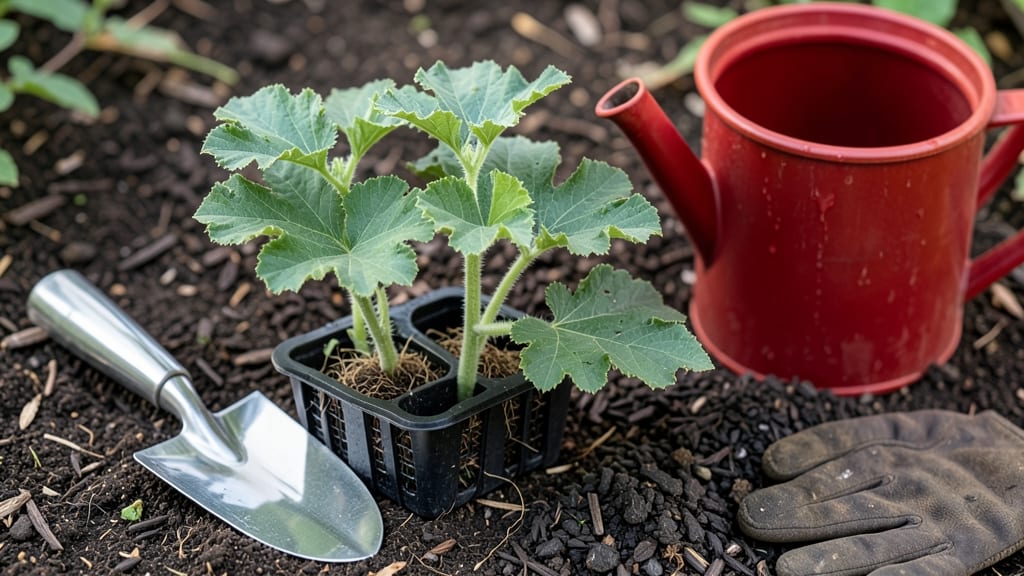
If you’ve ever planted hollyhocks 🌸 in Florida and watched them bolt before blooming, you’re not alone—timing is the key to avoiding this frustrating problem. Unlike cooler climates, Florida’s year-round warmth means traditional planting windows don’t apply, and getting it wrong can mean missed flowers.
Most gardeners assume spring is the only option, but the truth is, fall planting is actually the best strategy for Florida’s 9a-11 zones. Why? Because cooler temperatures slow early bolting, giving your plants time to establish strong roots before the heat kicks in.
In this guide, I’ll break down the exact months to plant for North, Central, and South Florida—plus how to adjust for your microclimate. You’ll also discover whether seeds or transplants work better in your area and how to keep your hollyhocks thriving once they’re in the ground.
Ready to grow those towering, vibrant blooms without the guesswork? Let’s get started.
Best planting months for hollyhocks in Florida’s climate zones
Florida’s frost-free climate makes it a perfect place for growing hollyhocks, but timing still matters to avoid early bolting. Unlike northern states, you won’t need to worry about frost damage, but heat stress can trigger premature flowering.
The key is planting when soil temperatures stay consistently warm but not scorching—typically during Florida’s cooler transition months.
Hollyhocks thrive best when planted in fall or early spring, avoiding the peak summer heat. In North Florida (Zone 8), aim for September through November to give roots time to establish before summer’s return.
Central Florida (Zone 9) gardeners have a slightly longer window, with August through December being ideal, while South Florida (Zone 10) can plant year-round but still benefits from fall or spring timing for optimal blooms.
Here’s the breakdown of ideal planting windows based on Florida’s three main climate zones, including soil temperature thresholds and heat tolerance tips:
| Climate Zone | Ideal Planting Window | Soil Temperature | Heat Tolerance Tip |
|---|---|---|---|
| North Florida (Zone 8) | September–November | 65–75°F | Use shade cloth in late summer to prevent bolting. |
| Central Florida (Zone 9) | August–December | 70–80°F | Plant in partial shade if temperatures exceed 90°F. |
| South Florida (Zone 10) | Year-round (best in fall/spring) | 75–85°F | Prioritize well-draining soil to avoid root stress. |
For North Florida gardeners, September is the sweet spot—soil stays warm enough for root growth, but daytime temperatures begin to cool slightly. Planting in late November can still work if you use mulch to retain heat, but avoid planting after December as summer’s return can stress young plants.
Central Florida’s extended window means you can start seeds indoors in July for early fall transplants or sow directly in August. The goal is to establish roots before September’s heat peaks, which can trigger bolting. If you miss fall, January–February is your next best window for spring blooms.
In South Florida, where temperatures rarely drop below 60°F, you can plant hollyhocks year-round. However, the best results come from fall planting (August–October) or early spring (February–March). Summer planting is possible but requires extra care—such as daily watering and shade cloth—to prevent heat stress.
Regardless of your Florida zone, always choose heat-tolerant varieties like ‘Black Knight’ or ‘Peach Blow’ to improve your chances of success. These varieties handle Florida’s humidity and occasional heat spikes better than traditional European strains.
Pro tip: Test your soil’s drainage before planting. Hollyhocks hate soggy roots, so amend heavy clay soil with compost or sand to improve airflow. This is especially critical in South Florida’s rainy season (June–October), where poor drainage can lead to root rot.
🌸
Best planting months for hollyhocks in Florida’s climate zones
Florida’s climate zones—North (Zone 8), Central (Zone 9), and South (Zone 10)—create distinct planting windows for hollyhocks. Unlike cooler climates, Florida’s frost-free growing season means you can plant year-round, but timing matters to avoid premature bolting (when plants flower too early).
The key is planting when soil temperatures stay below 75°F for optimal root establishment.
For North Florida (Zone 8), the best time is late February to early March or September to November. Cooler temperatures in these months help prevent heat stress, while still allowing enough warmth for germination.
In Central Florida (Zone 9), shift planting to March or September-October to avoid summer’s intense heat.
In South Florida (Zone 10), you can plant year-round, but focus on September-November or January-February for the best balance. The goal is to give hollyhocks a head start before the summer heat triggers bolting. Avoid planting in June-August unless you’re using shade cloth or heat-tolerant varieties.
| Florida Zone | Best Planting Months | Soil Temp Threshold | Key Tip |
|---|---|---|---|
| North (Zone 8) | Feb-Mar, Sep-Nov | 60-75°F | Avoid summer heat; mulch to retain moisture. |
| Central (Zone 9) | Mar, Sep-Oct | 65-72°F | Use shade cloth if planting in late spring. |
| South (Zone 10) | Sep-Nov, Jan-Feb | 70-75°F | Prioritize well-draining soil to prevent fungal issues. |
If you’re planting seeds (not transplants), start them indoors 6-8 weeks before your target outdoor planting date. This gives seedlings a stronger start before transitioning to Florida’s heat. For example, if you’re planting outdoors in September, begin seeds indoors in July to avoid transplant shock.
For transplants, choose healthy nursery starts labeled as heat-tolerant varieties, like ‘Peach Blossom’ or ‘Black Prince.’ These varieties handle Florida’s summer heat better than standard types. Always harden off transplants for 7-10 days before moving them outdoors to reduce stress.
Pro tip: Monitor your local soil temperature with a soil thermometer. Hollyhocks thrive when soil temps are between 60-75°F. If temps rise above 80°F, your plants may bolt prematurely. Use shade cloth (30-50%) to lower soil temps if needed during late spring plantings.