
Trees
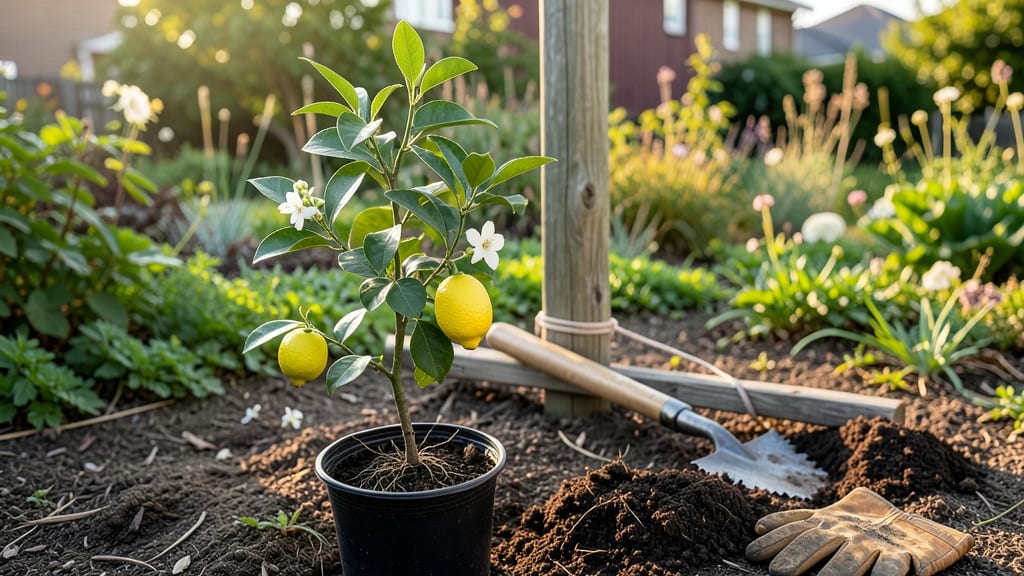
Planting a 🍋 lemon tree in Florida might seem simple—after all, the Sunshine State is frost-free for the most part.
But here’s the catch: whether you’re near the coast or inland can shift your ideal planting window by months, and getting it wrong could mean slower growth or even tree stress.
The best time to plant lemon trees in Florida isn’t just about seasons—it’s about microclimates. Coastal areas like Miami or Tampa have year-round growing conditions, while inland spots in Orlando or Gainesville might need a slightly different approach to avoid early cold snaps.
I’ll break down exactly when to dig in for each zone so your tree starts strong.
You’ll also discover how to prep your soil, whether to plant in containers or the ground, and how often to water in those first critical weeks. Trust me, these small tweaks make all the difference between a thriving citrus tree and one that struggles to take root.
Let’s get your 🍋 lemon tree off to the right start—no guesswork, just proven timing for Florida’s unique climate.
Best Florida lemon tree planting times: coastal vs inland guidelines
Florida’s microclimates create dramatic differences in lemon tree planting success. Coastal areas like Miami and Tampa enjoy year-round warmth, while inland cities such as Orlando and Gainesville face occasional light frosts in winter. Understanding these differences ensures your lemon tree thrives from day one.
For coastal Florida, planting is ideal from December through March, when soil temperatures stay above 60°F (15°C). Inland regions should aim for January to early February to avoid rare frost events that can damage young roots.
Soil temperature is critical—roots need 60°F+ (15°C+) to establish properly. Coastal areas hit this threshold earlier, while inland zones may need to wait until late January for consistent warmth.
Lemon trees are evergreen and grow year-round in Florida, but late winter planting aligns with natural blooming cycles. This timing maximizes root growth before the spring flush of new leaves and fruit.
If you’re in North Florida (Zone 8a-9a), like Jacksonville or Tallahassee, consider container planting for extra mobility. This lets you move potted trees indoors or to protected areas during rare cold snaps.
Here’s how the best planting windows compare across Florida’s regions:
| Region | Best Planting Window | Soil Temp Threshold | Frost Risk | Key Consideration |
|---|---|---|---|---|
| South Florida (Miami, Key West) | December–March | 60°F+ (15°C+) | None | Humidity can increase fungal risks; ensure well-draining soil. |
| Central Florida (Orlando, Tampa) | January–February | 60°F+ (15°C+) | Rare (Zone 9a) | Use mulch to protect roots from temperature swings. |
| North Florida (Jacksonville, Gainesville) | Late January–Early February | 65°F+ (18°C+) | Moderate (Zone 8a) | Consider container growing for flexibility. |
For container-grown lemon trees, you can plant almost year-round in coastal Florida, but early spring still offers the best balance of warmth and reduced pest pressure. Inland growers should avoid planting before January 15 to minimize frost exposure.
If you’re unsure about your local frost risk, check the USDA Plant Hardiness Zone Map and consult your local Cooperative Extension Service. They provide hyper-local advice tailored to your microclimate, including elevation and proximity to water bodies.
Once you’ve chosen your planting window, prepare the site by amending the soil with compost and citrus-specific fertilizer. Lemon trees thrive in slightly acidic soil (pH 6.0–7.0) with excellent drainage—never let them sit in soggy soil, which leads to root rot.
After planting, water deeply to settle the soil and encourage root growth. Mulch around the base with wood chips or pine straw to retain moisture and regulate soil temperature. This is especially critical in inland areas where daytime and nighttime temperatures can fluctuate wildly.
With the right timing and care, your lemon tree will establish strong roots and reward you with juicy fruit in as little as 2–3 years. 🌱
Best Florida lemon tree planting times: coastal vs inland guidelines
Florida’s microclimates create dramatic differences in lemon tree planting success. Coastal areas like Miami and Tampa enjoy year-round warmth, while inland cities such as Orlando and Gainesville face occasional light frosts in winter. Understanding these differences ensures your tree thrives from day one.
For coastal Florida, the ideal planting window stretches from December through March, when soil temperatures stay consistently above 60°F. Inland regions should aim for January to February to avoid rare frost risks. Both areas benefit from late winter planting, aligning with natural rainfall patterns.
🌱 Florida Lemon Tree Planting Comparison
| Region | Best Planting Months | Soil Temp Threshold | Frost Risk |
|---|---|---|---|
| South Florida (Miami, Key West) | December-March | 60°F+ year-round | None |
| Central Florida (Orlando, Tampa) | January-February | 65°F+ | Minimal (Dec only) |
| North Florida (Gainesville, Jacksonville) | February-March | 70°F+ | Moderate (Dec-Jan) |
🌡️ Pro Tip: Use a soil thermometer to confirm 60°F+ before planting.
In coastal areas, you can plant year-round thanks to stable temperatures, but late winter offers ideal conditions with moderate humidity and reduced pest pressure. Inland gardeners should wait until after January 15th to avoid potential 28°F frosts that can kill young trees.
Another critical factor is root establishment. Planting in January or February gives roots 3-4 months to grow before summer heat arrives. This is especially important for container-grown trees, which dry out faster and need stronger roots to support fruit production.
For dwarf varieties like Meyer lemons, you have slightly more flexibility—planting in early spring (March) works well in Zone 10a and above. However, standard varieties need that January-February window to develop robust root systems before Florida’s summer heat peaks.
Always check your local frost dates using the National Weather Service or UF/IFAS Extension tools. Even a single night below 30°F can damage young trees, so timing matters more than you might think!