
Plants
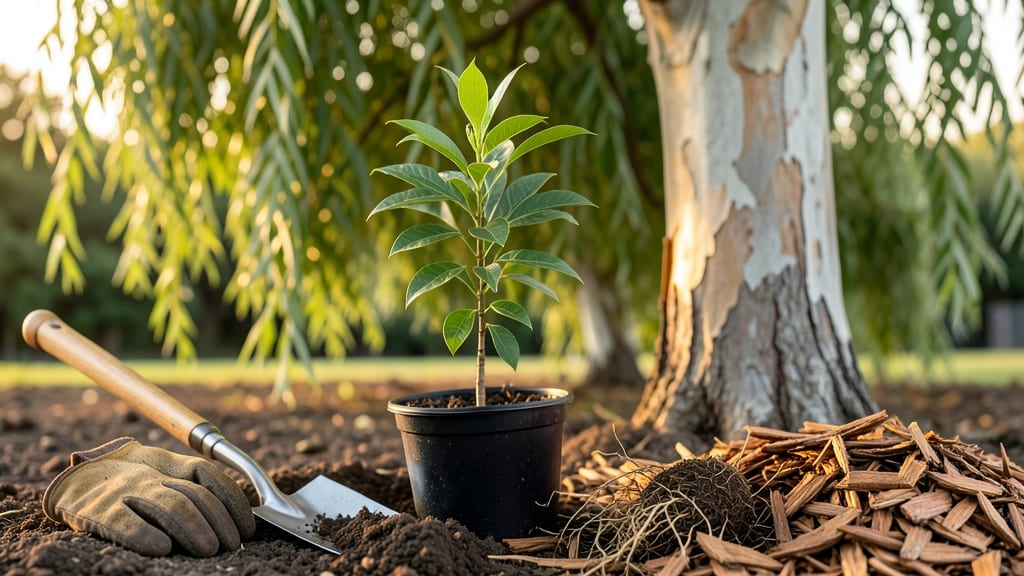
Timing matters more than you think when planting crape myrtles 🌸 in Oklahoma—get it wrong, and you risk stunted growth or worse, frozen saplings before they even take root.
The difference between a thriving tree and a struggling one often comes down to knowing exactly when to break ground, whether you're in the cooler 6b zones or the warmer 7a areas.
Most gardeners in Oklahoma swear by spring planting, but fall can actually be the smarter choice for certain varieties, giving roots time to establish before winter hits.
I’ll break down the exact windows—from late March to May for spring, or September to October for fall—plus how to check soil temperatures to avoid common mistakes that trip up even experienced growers.
What you’ll discover here isn’t just about dates—it’s about reading your local microclimate. Urban areas warm up faster than rural spots, and clay-heavy soils in Oklahoma can hold moisture differently.
I’ll show you how to prep your soil, space your plants for maximum airflow, and keep them thriving once they’re in the ground.
Ready to plant with confidence? Let’s dive into the step-by-step guide that’ll have your crape myrtles blooming like pros by next summer.
Oklahoma’s frost-free planting windows by hardiness zones (6a-7b)
Oklahoma’s USDA hardiness zones 6a-7b create a unique window for planting crape myrtles—but timing matters more than most gardeners realize.
The state’s last average frost dates range from March 15 in northern zones to April 15 in southern regions, while first frosts arrive between November 15 and December 1. These dates bookend your best planting opportunities.
For spring planting, aim for late March through May—once soil temperatures consistently hit 60°F+. In fall, September to October is ideal, giving roots time to establish before winter. Missing these windows risks transplant shock or frost damage to tender roots.
Here’s how Oklahoma’s three main regions differ in planting timelines:
| Zone | Last Frost | First Frost | Spring Planting Window | Fall Planting Window | Soil Temp Threshold |
|---|---|---|---|---|---|
| 6a (Northern OK) | March 15 | November 15 | Late April - May | September 15 - October 15 | 60°F+ (consistent) |
| 6b (Central OK) | March 30 | November 1 | Late March - April | September 1 - October 15 | 60°F+ (consistent) |
| 7a (Southern OK) | April 15 | November 30 | Late March - May | September 15 - November 1 | 60°F+ (consistent) |
In northern Oklahoma (zone 6a), the short frost-free season (180 days) demands earlier spring planting—waiting too long risks summer heat stress before roots establish. Meanwhile, southern Oklahoma (zone 7a) offers a longer window (210 days), allowing flexibility for fall planting into early November.
Pro tip: Use a soil thermometer to confirm readiness. Crape myrtles need 60°F soil temps for 2 weeks straight before planting. In clay-heavy Oklahoma soils, this can delay spring planting by 1-2 weeks compared to sandy regions.
For container-grown crape myrtles, you can plant 2 weeks earlier than bare-root varieties, as their roots are less sensitive to temperature shifts. Just avoid transplanting when highs exceed 90°F—this causes transplant shock.
Oklahoma’s microclimates also play a role. Urban areas like Oklahoma City may experience earlier last frosts due to the urban heat island effect, while rural areas often have colder nights. Check your local Cooperative Extension Service records for precise frost dates.
Remember: Fall planting in Oklahoma has a secret advantage—cooler temps reduce transplant shock, and established roots enter dormancy stronger. Just finish by October 15 in northern zones to avoid winter dieback.
Timing your crape myrtle planting to these frost-free windows ensures strong root growth before Oklahoma’s sweltering summers or freezing winters take hold.
How to time crape myrtle planting for maximum bloom success
Timing your crape myrtle planting isn’t just about avoiding frost—it’s about giving your tree the best chance to thrive in Oklahoma’s unpredictable spring weather. I’ve planted mine in both spring and fall, and I’ve learned that each season offers unique advantages depending on your local microclimate.
For most of Oklahoma’s USDA zones 6b-7a, the ideal window stretches from late March through May. This gives roots time to establish before summer’s intense heat sets in.
But if you’re in northern Oklahoma (zone 6a), wait until after the average last frost date (April 15) to be safe.
🌱 Numbered Highlights: Oklahoma Crape Myrtle Planting Timeline
- 1. Soil Temp Check: Use a soil thermometer to confirm 60°F+ soil before planting (critical for root growth).
- 2. Spring Planting: Late March-May (after last frost). Best for bare-root saplings—they establish faster in cooler soil.
- 3. Fall Planting: September-October (6-8 weeks before first frost). Gives roots time to harden before winter.
- 4. Container Timing: Plant potted crape myrtles anytime soil is workable, but avoid extreme heat (above 90°F).
- 5. Microclimate Adjust: Urban areas (like Oklahoma City) may have 2-3°F warmer soil—plant 1-2 weeks earlier than rural zones.
Pro Tip: Mulch heavily after planting to retain moisture and regulate soil temps.
Fall planting is often overlooked but can be a game-changer for Oklahoma gardeners. When you plant in September or early October, the tree focuses on root growth rather than foliage, making it hardier for winter.
I’ve seen my fall-planted crape myrtles bloom earlier and more vigorously the following year.
One mistake I’ve seen new gardeners make is rushing to plant as soon as the ground thaws in early spring. Cold soil can shock roots, delaying growth. Instead, wait until you can dig 6 inches deep without hitting frozen ground—a sure sign it’s time to plant.
For container-grown crape myrtles, timing flexibility increases. You can plant them anytime the soil is workable, but avoid peak summer heat (June-August), which stresses young trees. If you must plant in summer, water deeply every 2-3 days and provide afternoon shade for the first 2 weeks.
Remember, Oklahoma’s climate variability means your neighbor’s perfect planting time might not work for you. Always check your local frost dates (via Old Farmer’s Almanac) and adjust accordingly. With the right timing, your crape myrtle will reward you with stunning blooms for decades.