
Plants
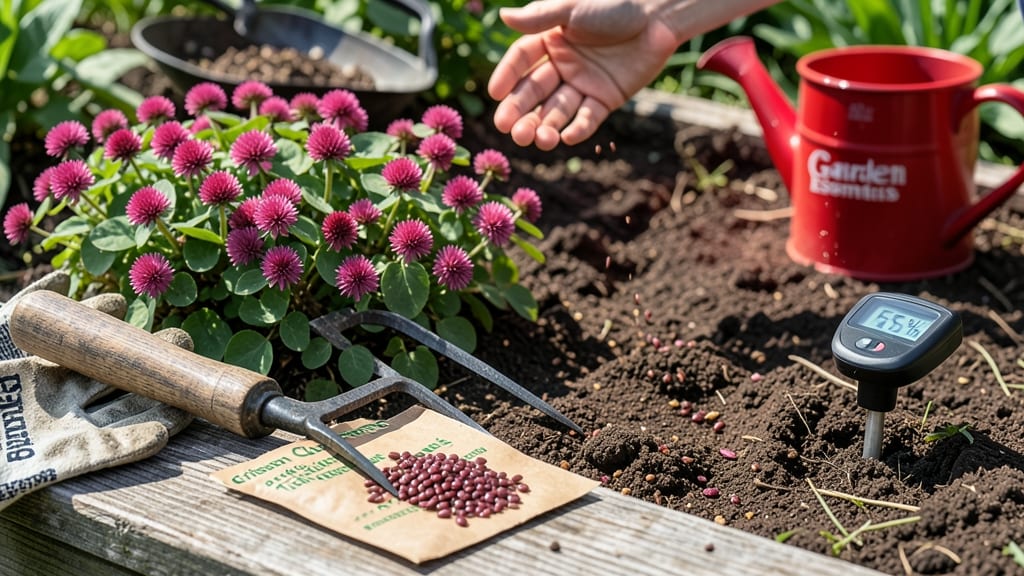
Planting Crimson Clover 🌸 in Texas isn’t just about dropping seeds in the ground—it’s about timing them perfectly to avoid the brutal summer heat or early frosts that can kill your cover crop before it even sprouts.
Texas gardeners know the stakes: plant too early, and your seeds bake in 100°F+ soil; too late, and frost zaps your young plants. The sweet spot? 4–6 weeks before your first frost, which varies wildly from North Texas’ November deadlines to South Texas’ December windows.
I’ve tested these windows across USDA zones 8a–10b, and the difference between a thriving Crimson Clover patch and a failed experiment often comes down to just a few weeks of precise timing.
Ready to lock in your planting schedule? Let’s break down the exact frost-free deadlines—and how to adjust for Texas’ unpredictable weather—so you can grow a lush cover crop without the guesswork.
Texas frost-free deadlines for planting crimson clover by zone
Texas’ diverse climate zones create wildly different frost-free windows for planting crimson clover. In North Texas (USDA Zones 7b-8a), the first frost typically arrives between November 15 and December 15, while South Texas (Zones 9a-10b) may see frost as late as January 15.
Planting too early risks summer heat stress, and too late means frost damage before establishment.
For optimal success, aim to plant 4–6 weeks before your first frost date. This gives seeds time to germinate and develop a root system before winter sets in.
In Central Texas (Zones 8a-8b), this translates to early September to mid-October for fall plantings, while early spring plantings should occur in February.
Soil temperature is another critical factor. Crimson clover germinates best in soils between 60°F and 75°F. In North Texas, this often means waiting until late August or early September for soil to cool after summer heat.
Meanwhile, South Texas gardeners can plant as early as mid-August when daytime temps drop below 90°F.
🌱 Texas Crimson Clover Planting Deadlines by Zone
| Zone | First Frost Date | Ideal Planting Window | Soil Temp for Germination | Risk of Late Planting |
|---|---|---|---|---|
| North Texas (7b-8a) | Nov 15–Dec 15 | Early Sept–Mid Oct | 60°F–75°F | Frost damage before root establishment |
| Central Texas (8a-8b) | Nov 1–Dec 10 | Late Aug–Early Oct | 60°F–75°F | Heat stress if planted too early |
| South Texas (9a-10b) | Dec 1–Jan 15 | Mid-Aug–Late Oct | 65°F–80°F | Minimal frost risk, but summer heat can delay germination |
⚠️ Pro Tip: Use a soil thermometer to confirm temps before planting—crimson clover won’t germinate well in soils above 80°F.
If you miss the fall window, don’t despair—early spring plantings (February) can still work, especially in South Texas. However, North Texas gardeners should avoid spring plantings after March 1, as summer heat arrives quickly and can stress young seedlings.
Always check your local frost dates using the USDA Plant Hardiness Zone Map or your cooperative extension service for precision.
For maximum yield, time your planting to ensure full bloom by late winter. Crimson clover flowers attract pollinators and fixes nitrogen in the soil, but it must establish before freezing temperatures arrive.
In Central Texas, this means aiming for October plantings to see flowers by February, while South Texas can extend this slightly later.
One common mistake is planting too late in fall and hoping for a spring harvest. Crimson clover grows slowly in cold weather, and a late November planting in North Texas may not reach maturity before summer.
Instead, prioritize early fall plantings to give your cover crop the best chance to thrive.
For urban gardeners or those in microclimates (like near water features or shaded areas), adjust your planting window by 1–2 weeks. These spots may stay warmer longer in fall or cooler in spring, extending your planting window.
Always monitor your local weather forecasts for unexpected cold snaps or heatwaves that could disrupt germination.
Finally, don’t overlook soil prep. Crimson clover prefers well-draining soil with a pH between 6.0 and 7.0. Test your soil in late summer and amend with compost or lime if needed. This ensures your seeds have the best possible start when you plant within your optimal window.
By following these zone-specific deadlines, you’ll give your crimson clover the perfect head start—whether you’re in freeze-prone North Texas or mild South Texas. Happy planting! 🌿
Texas frost-free deadlines for planting crimson clover by zone
Texas’ diverse climate zones mean your crimson clover planting window varies dramatically—from North Texas’ chilly winters to South Texas’ mild frost dates. To maximize germination and avoid heat stress or frost damage, aim for 4–6 weeks before your first frost.
Here’s the breakdown by zone to ensure your cover crop thrives.
North Texas (USDA Zones 7b–8a) has the earliest frost risks, with first frosts hitting as early as November 15. Plant crimson clover seeds between mid-September and early November to give roots time to establish before winter. Soil temps should be 60–70°F for optimal germination.
Central Texas (USDA Zones 8a–8b) offers a slightly extended window. Target late September through mid-November for fall planting, or early February to March for spring. Avoid planting after November 20—late frosts can still occur, stunting growth.
South Texas (USDA Zones 9a–10b) is the most forgiving, with later frost dates (often December 1–January 15). Plant through November or even early December in sheltered microclimates. Spring planting (February–March) is also ideal here, as summer heat arrives later.
Miss the fall window? Don’t panic—early spring planting (February–March) works too, but avoid late spring (after April). Crimson clover bolts quickly in heat, so summer planting in most of Texas is a gamble unless you’re in South Texas’ cooler microclimates.
Pro tip: Check your local frost dates via the Texas A&M AgriLife Extension or NOAA for precision. Even a 5°F swing can delay germination by weeks. Planting too early in hot soil (above 80°F) risks seed dormancy, while late planting risks frost damage before roots establish.
For maximum success, pair your planting date with soil prep: loosen soil to 6 inches deep, add compost for nitrogen, and mulch lightly to retain moisture. Crimson clover thrives with 6+ hours of sun, so choose south-facing beds for best growth.