
Plants
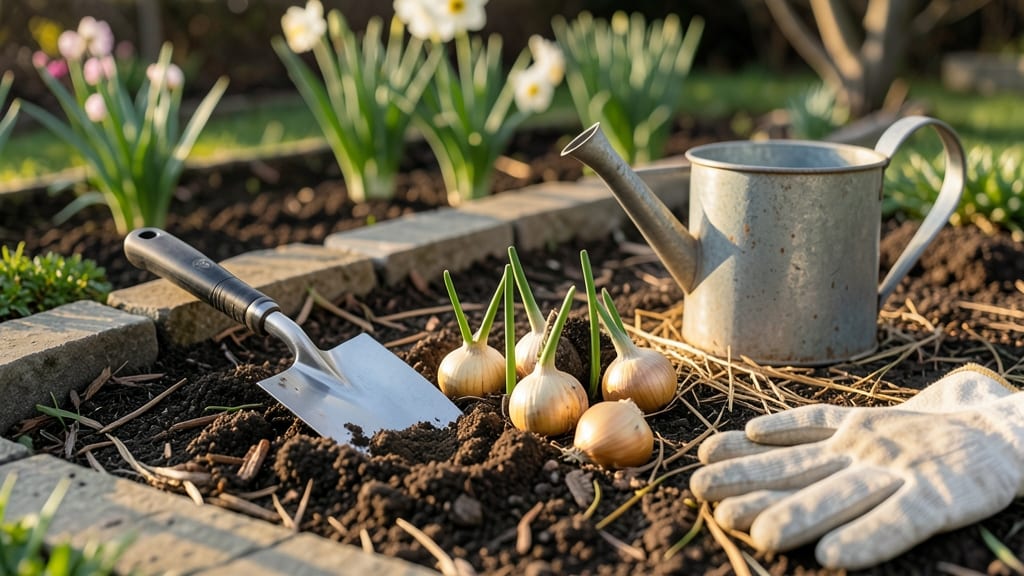
Timing your daffodil bulb planting in California isn’t just about picking a month—it’s about reading your microclimate like a pro. Coastal gardeners in Zone 9-10 can tuck those 🌼 into the ground almost year-round, while inland growers in Zone 7-9 need to act fast before the first frost in December.
Get it wrong, and you might end up with soggy bulbs or flowers that never show up.
Here’s the real secret: the 6-week rule. Plant your daffodils 4-6 weeks before the ground freezes in your area—typically between October and December. Coastal areas? You’ve got more flexibility, but inland zones need to hustle before temperatures drop below 50°F.
Think of it like Goldilocks—too early, and your bulbs might sprout prematurely; too late, and frost could turn them to mush.
But why does this matter so much? Because California’s climate is a mixed bag—coastal regions stay mild, while inland areas can swing from warm to freezing overnight.
The key is preparing your soil right, planting at the right depth, and giving your bulbs the perfect chill period they need to bloom spectacularly next spring. Let me walk you through the exact steps to nail it in your specific corner of the state.
Ready to transform your garden into a springtime daffodil paradise? You’ll learn how to adjust for your exact location, avoid common pitfalls, and ensure your bulbs thrive—no matter whether you’re in foggy San Francisco or sunbaked Palm Springs. Let’s get those 🌼 in the ground the right way.
California’s best planting months for daffodil bulbs by region
California’s climate varies dramatically from the coastal fog of San Francisco to the desert heat of Palm Springs, which means daffodil bulbs need region-specific timing. Inland areas like Sacramento and Fresno experience cold winters, while coastal zones rarely see frost.
Understanding these differences ensures your bulbs thrive and bloom beautifully in spring.
For most of California, the ideal planting window is between October and December. However, coastal gardeners in USDA Zones 9-10 can plant year-round, while inland gardeners in Zones 7-9 must plant before the first frost—typically by mid-December.
Let’s break down the best months for each region to maximize your daffodil success.
🌱
| Region | USDA Zone | Best Planting Months | Soil Temp Threshold | Key Consideration |
|---|---|---|---|---|
| Coastal (San Francisco, LA) | 9-10 | Year-round (avoid summer) | 60-70°F (15-21°C) | No frost risk; plant in fall or winter for spring blooms. |
| Inland (Sacramento, Fresno) | 7-9 | October-November | 50-60°F (10-15°C) | Plant 4-6 weeks before first frost (usually by Dec 15). |
| Desert (Palm Springs, Joshua Tree) | 9-10 | November-December | 55-65°F (13-18°C) | Avoid summer heat; plant in cooler months for root establishment. |
| Central Valley (Modesto, Bakersfield) | 8-9 | October-November | 50-60°F (10-15°C) | Soil warms faster; plant early to avoid winter dormancy issues. |
In coastal California, where temperatures rarely drop below freezing, you can plant daffodil bulbs almost anytime. However, I recommend fall planting (September-November) to give bulbs time to establish roots before winter rains. This timing ensures robust blooms by March or April, just in time for spring’s vibrant displays.
For inland and desert regions, timing is critical. Planting too late—after the first frost—can cause bulbs to rot in cold, wet soil. Aim to plant by mid-December in most inland areas, but check your local last frost date.
For example, Sacramento’s last frost is typically around January 15, so plant by December 1 to be safe.
If you’re in a desert climate, like Palm Springs, avoid planting during the summer heat. Instead, focus on November-December when temperatures cool. Desert soils can dry out quickly, so water deeply after planting to encourage root growth before winter dormancy sets in.
One common mistake is assuming all of California has the same climate. For instance, San Diego’s coastal zone (Zone 10) allows for year-round planting, while Eureka’s foggy coast (Zone 9) benefits from fall planting to avoid soggy winter soils. Always check your specific microclimate before digging in.
To prepare your soil, mix in compost or aged manure for nutrients and improve drainage. Daffodils hate soggy soil, so amend heavy clay with sand or perlite.
Plant bulbs 6 inches deep and 6 inches apart for optimal airflow and growth. Mulch with straw or wood chips after planting to protect bulbs from temperature swings.
Pro tip: If you miss the ideal window, you can still plant in early January in coastal areas, but expect smaller blooms the first year. Inland gardeners should wait until next fall if planting after frost.
🌿
California’s best planting months for daffodil bulbs by region
California’s climate varies dramatically from coastal fog to desert heat, so daffodil bulb planting times depend heavily on your USDA zone. Inland areas like Sacramento (Zone 7-9) need earlier planting to avoid winter frost, while coastal zones (Zone 9-10) offer a longer window.
My ideal planting window for most of California is October through December, but let’s break it down by region.
For coastal areas (e.g., San Francisco, Santa Barbara), you can plant year-round—though summer heat stress is a risk. Inland valleys (e.g., Central Valley, San Joaquin) should aim for October to early November to establish roots before frost.
Desert regions (e.g., Palm Springs) can plant November to January to avoid extreme summer heat.
Soil temperature is your best guide: Daffodils thrive when soil is 50–60°F. Use a soil thermometer to confirm—plant when temps consistently drop below 65°F at night. Coastal areas hit this threshold in late September, while inland zones may wait until October or November.
After choosing your planting window, prepare the soil by mixing in compost or bulb fertilizer to a depth of 6–8 inches. Daffodils need well-draining soil—amend heavy clay with sand or perlite if needed.
Plant bulbs 6 inches deep and 6 inches apart for optimal airflow, which prevents rot and fungal diseases common in California’s humid coastal areas.
For container gardening, use pots with drainage holes and plant bulbs in well-draining cactus/succulent mix. Coastal gardeners can even plant in late winter (February–March) for spring blooms, but inland areas should stick to fall planting to avoid frost damage.
Mulch with straw or shredded bark after planting to insulate bulbs and retain moisture.
Pro tip: Mark your daffodil beds with stakes or flags—California’s unpredictable rains can wash away newly planted bulbs. With the right timing and soil prep, your daffodils will reward you with vibrant blooms from March to May, brightening up even the foggiest mornings.