
Plants
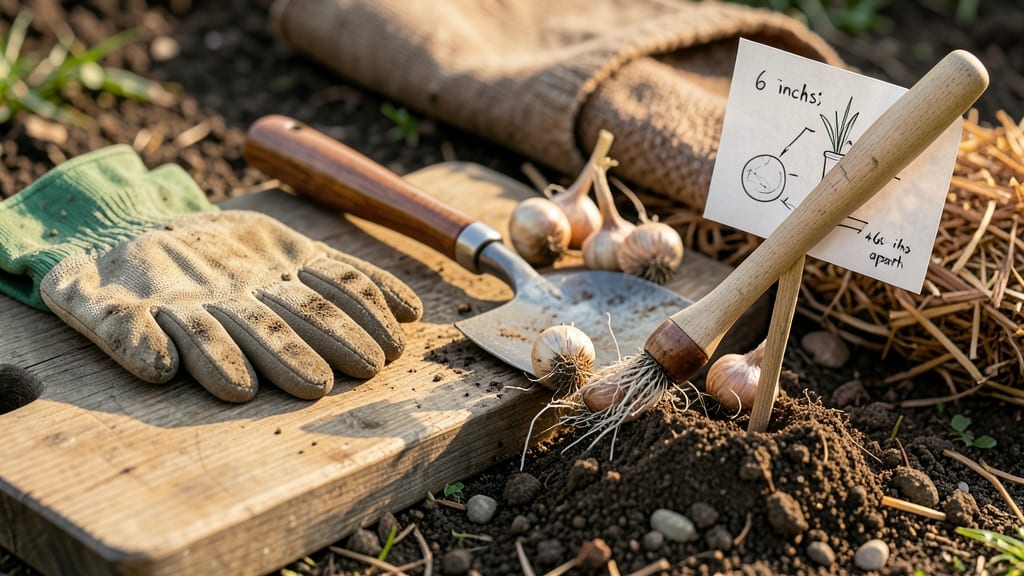
Planting daffodil bulbs in Oklahoma at the wrong time could mean missed spring blooms or worse—frozen bulbs before winter sets in. The key to vibrant 🌼 daffodils next year lies in a 6-week window between late September and early November, when soil temperatures drop but frost hasn’t arrived yet.
Oklahoma’s 6b-7a climate throws a curveball with its unpredictable winters, but timing your planting just right ensures those bulbs take root before the ground freezes. Whether you're in the northern panhandle or southern Oklahoma City, the October-November window is your best bet for zero-frost survival.
Why does timing matter so much? Because daffodil bulbs need time to establish roots before winter dormancy kicks in. Plant too early, and they might sprout before frost; too late, and they won’t root deeply enough to survive.
I’ll show you how to nail that perfect window—and what to do to prep your soil for success.
From soil temperature checks to avoiding Oklahoma’s winter rains, this guide covers everything you need to know. Let’s make sure your daffodils don’t just survive the winter—they thrive for years to come.
Oklahoma’s ideal daffodil planting window: exact dates by region
Oklahoma’s fall planting window for daffodils is narrow but critical—aim for October through early November to give bulbs time to root before winter. The first frost date (typically mid-November) sets your deadline, but soil temperature (below 60°F) signals it’s time to plant.
Northern Oklahoma’s Zone 5a regions (like Enid) need earlier planting than southern Zone 7b areas (like Lawton).
Miss this window, and your bulbs may rot in soggy winter soil or fail to bloom. Oklahoma’s clay-heavy soils and unpredictable rainfall add urgency—plant too late, and bulbs risk suffocating.
For city-specific guidance, check your local USDA Zone and adjust accordingly. For example, Oklahoma City (Zone 7a) has a later cutoff than Tulsa (Zone 7b).
| Region | USDA Zone | Ideal Planting Window | Soil Temp Goal | Key Risk |
| Northern OK (e.g., Enid, Woodward) | 5a | Late September–October 15 | Below 60°F | Early frost |
| Central OK (e.g., Oklahoma City, Tulsa) | 7a | October–November 1 | Below 55°F | Winter rains |
| Southern OK (e.g., Lawton, Altus) | 7b | October–November 15 | Below 50°F | Late blooms |
For high-altitude areas like the Wichita Mountains, plant 2–3 weeks earlier than central Oklahoma. These regions experience colder microclimates despite being in Zone 7a. Use a soil thermometer ($10 at garden centers) to confirm 50–60°F soil—the sweet spot for daffodil root growth.
Pro tip: Pre-chill bulbs for 4–6 weeks in the fridge if planting late.
If you’re late to plant, opt for container gardening—fill pots with well-draining mix and place them in a protected spot (e.g., under a patio cover).
This buys you 2–3 extra weeks before frost. Just avoid plastic pots; opt for fabric grow bags to prevent root rot in Oklahoma’s heavy clay.
Timing isn’t just about dates—it’s about soil conditions. Test your soil’s drainage first: dig a 6-inch hole, fill it with water, and time how long it takes to drain.
If it’s slower than 30 minutes, amend with compost or perlite. Daffodils hate soggy roots, and Oklahoma’s winter rains can turn your garden into a swamp.
Once planted, mulch heavily (3–4 inches of straw or shredded leaves) to insulate bulbs. In Zone 5a, add a thick layer of leaves—this traps heat and prevents frost heave (when soil freezes and pushes bulbs up).
For Zone 7b, a light mulch suffices; too much can smother bulbs in mild winters.
After planting, water deeply but infrequently—aim for 1 inch per week until the ground freezes. Overwatering in fall is a common mistake; daffodils need dormancy to bloom well. Let the soil dry slightly between waterings to encourage root development.
Track your local frost dates using the Old Farmer’s Almanac or your local Cooperative Extension office. In Oklahoma, first frost can vary by 2–3 weeks between north and south. For example, Enid might see frost by October 30, while Lawton could wait until November 15. Plant accordingly!
Remember: Early planting = bigger blooms. Daffodils planted in late September often produce 2–3 more flowers per stem than those planted in November. So mark your calendar, grab your bulb planter, and get digging—your spring color depends on it! 🌼
How to time daffodil bulbs for Oklahoma’s frost zones (5a-7b)
Oklahoma’s USDA Zones 5a-7b create unique challenges for daffodil bulb planting. In colder northern areas like Enid (Zone 5a), bulbs need extra protection, while southern regions like Lawton (Zone 7b) offer a longer window.
The key is planting when soil temps hit 50-60°F—typically mid-October to early November—but adjusting for your specific microclimate.
In Zone 5a, aim for late September to mid-October to avoid early freezes. Zone 6a (Oklahoma City) can wait until early October, while Zone 7b (Tulsa) has flexibility until mid-November. High-altitude areas like the Wichita Mountains may need planting as early as September due to colder microclimates.
🌼 Pro Tip: Use a soil thermometer to confirm temps before planting. Daffodils need 4-6 weeks of cool soil to establish roots before winter dormancy.
⚠️ Critical Warning: Oklahoma-Specific Risks
Planting too late in Oklahoma’s clay-heavy soils risks bulb rot from winter moisture buildup. Avoid November planting in Zone 5a—bulbs may not root before freeze. Southern OK gardeners can push to early December, but mulch heavily to prevent heaving.
🌧️ Key Exception: If heavy rains are forecast, delay planting until soil dries slightly to avoid waterlogged bulbs.
Adjust planting depth based on your zone: 6-8 inches deep in Zone 5a (extra insulation) and 4-6 inches in Zone 7b. Use sandy loam or amend clay with compost to improve drainage—a critical fix for Oklahoma’s water-retentive soils.
Mulch with 4-6 inches of straw or leaves after planting to regulate soil temps. In Zone 5a, add a thicker layer (6+ inches) to shield bulbs from extreme cold snaps. Remove mulch in early spring to allow sunlight to trigger blooming.
Test soil moisture before planting—Oklahoma’s drought-prone areas need bulbs watered deeply after planting to encourage root growth. Skip fertilizing at planting; wait until early spring when shoots emerge to avoid burning tender roots.
🌱 Remember: Daffodils thrive on consistency. Plant the same time each fall, and your bulbs will reward you with reliable spring blooms year after year, even in Oklahoma’s variable climate.