
Plants
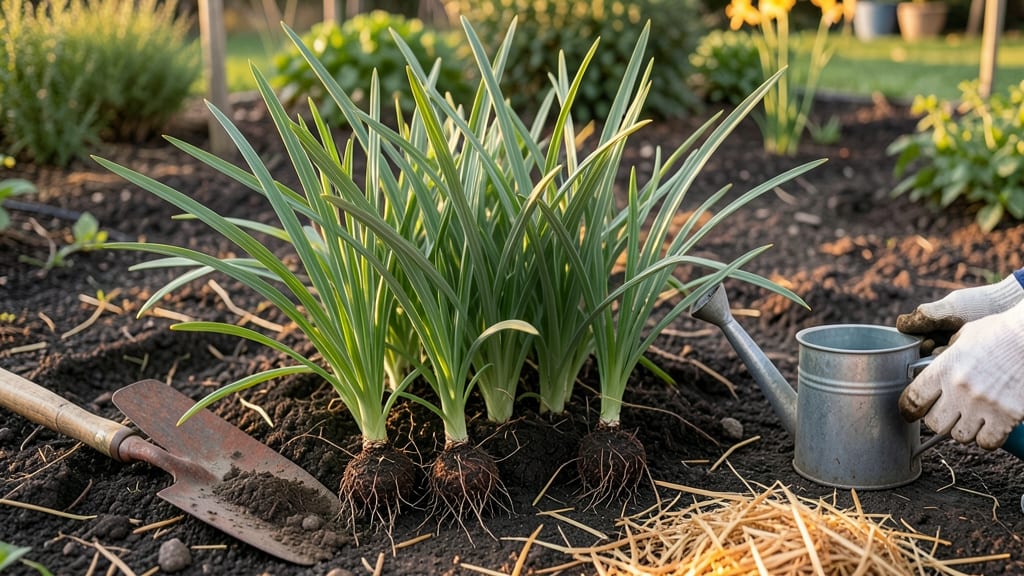
Timing your daylily 🌸 planting in Georgia isn’t just about avoiding frost—it’s about unlocking vibrant blooms that last all summer. With Georgia’s 7b-8b climate, planting too early risks stunted roots, while waiting too long can leave your garden missing out on peak color.
You’ve probably heard the general advice to plant in spring or fall, but in Georgia, those windows shift based on your exact location. Whether you’re in Atlanta’s cooler hills or Savannah’s warmer coastal zone, knowing the precise weeks to plant makes all the difference for long-lasting flowers.
I’ll break down the exact planting schedule—from early March to mid-April for spring and September to October for fall—so you can set your daylilies up for success. Plus, I’ll share pro tips for soil prep, container planting, and adjusting for Georgia’s microclimates.
Ready to transform your garden with bold, low-maintenance blooms? Let’s get those daylilies in the ground at the perfect time—no guesswork, just guaranteed results.
Georgia daylily planting calendar: exact weeks by region for frost-free success
Georgia’s daylily planting success hinges on frost dates and soil temperatures. In North Georgia, like Atlanta, last frost typically hits mid-March, while South Georgia, including Savannah, sees frost as late as early November.
These variations mean your planting window shifts dramatically depending on where you garden.
For peak blooms and root establishment, aim to plant when soil temps hit 50°F—this ensures roots grow before summer heat arrives. Miss this window, and you risk stunted growth or winter damage from unexpected frosts.
Let’s break down the exact weeks for each Georgia region to avoid these pitfalls.
The key to daylily success in Georgia is planting during two optimal windows: early spring (March–April) or early fall (September–October). These periods balance soil warmth, moisture availability, and frost risk.
Below, I’ve mapped out the precise weeks for North, Central, and South Georgia to help you time your planting perfectly.
🌱
| Region | Last Frost Date | Spring Planting Window | Fall Planting Window | Soil Temp Goal |
|---|---|---|---|---|
| North Georgia (Atlanta) | Mid-March | Weeks 10–12 (March 15–April 5) | Weeks 36–38 (Sept 15–Oct 5) | 50°F+ |
| Central Georgia (Macon) | Late March | Weeks 11–13 (March 20–April 10) | Weeks 37–39 (Sept 20–Oct 10) | 50°F+ |
| South Georgia (Savannah) | Early November | Weeks 12–14 (April 1–15) | Weeks 38–40 (Oct 1–20) | 50°F+ |
In North Georgia, where frosts linger until mid-March, plant daylilies between weeks 10–12 (March 15–April 5) for spring blooms. If you prefer fall planting, aim for weeks 36–38 (Sept 15–Oct 5) to ensure roots establish before winter. This timing gives plants 6–8 weeks to harden off before frost.
For Central Georgia, like Macon, shift your window slightly later: weeks 11–13 (March 20–April 10) in spring or weeks 37–39 (Sept 20–Oct 10) in fall. The soil temperature here warms faster, so you can plant a little later without risking frost damage.
Always check a soil thermometer to confirm temps are above 50°F.
In South Georgia, where frost rarely hits before November, you have more flexibility. Plant in weeks 12–14 (April 1–15) for spring or weeks 38–40 (Oct 1–20) for fall.
The longer growing season here means daylilies can bloom earlier and often produce second flushes of flowers if planted in early spring.
Pro tip: Use mulch after planting to retain soil moisture and regulate temperature. A 3-inch layer of organic mulch, like pine straw or shredded leaves, protects roots from extreme heat or cold. This is especially critical in North Georgia, where temperature swings are more dramatic.
If you’re unsure about your local frost dates, check the National Weather Service or use a frost calendar app. These tools provide hyper-localized data that can shift your planting window by 1–2 weeks depending on your exact location.
For example, areas near Lake Lanier may frost later than Atlanta proper.
🌿
5 Critical factors that determine the best planting time for daylilies in Georgia
Georgia’s diverse microclimates and humidity fluctuations mean your daylily’s ideal planting window can shift dramatically—even within a single county. Understanding these 5 key factors will help you adjust timing for peak blooms and root resilience, whether you’re in Atlanta’s urban heat island or mountainous Northeast Georgia.
First, soil temperature is non-negotiable: Daylilies refuse to thrive in cold soil. Aim for at least 50°F—use a soil thermometer to check 6 inches deep.
In North Georgia, this typically means waiting until mid-April, while South Georgia gardeners can plant as early as late February in sheltered spots.
Next, humidity levels play a sneaky role. High humidity (like Georgia’s summer) can delay root establishment, so fall planting often works better than spring in coastal areas. For example, Savannah’s 90% humidity in June can stress young daylily roots, making September planting the safer bet.
Daylily variety also shifts timing. Early bloomers like ‘Stella de Oro’ (USDA Zone 3-9) can handle late winter planting (February), while late bloomers like ‘Happy Returns’ need full summer heat to set buds—plant these by mid-April for best results.
- Wait until soil reaches 50°F+ (6" deep). Use a thermometer—don’t guess!
- North GA: Mid-April | South GA: Late February
- Cold soil = root rot risk. Mulch helps warm soil faster.
- High humidity (>85%) delays root growth. Plant in fall (Sept-Oct) for coastal areas.
- Urban heat islands (Atlanta) can plant 2 weeks earlier than rural zones.
- Avoid planting during peak summer rains (June-August).
- Early bloomers (e.g., ‘Stella de Oro’): Plant by February.
- Late bloomers (e.g., ‘Happy Returns’): Plant by mid-April.
- Check USDA Zone tags—some varieties need longer heat exposure.
- South-facing slopes: Plant 2 weeks earlier than shaded areas.
- High-altitude (e.g., Blue Ridge): Delay until after last frost (May).
- Containers dry out faster—plant 1 week later than in-ground.
- North GA: Last frost March 15—plant after this date.
- South GA: Rare frost after November 15—extend fall window.
- Use frost cloth if planting early in Zone 7b borders.
Finally, local frost patterns can override general rules. For instance, Atlanta’s average last frost is March 15, but 2023 saw frost as late as April 5. Check your local CoCoRaHS station for 10-year averages and adjust your timeline accordingly.
Pro tip: Stagger planting by 2-3 weeks for continuous blooms. For example, plant half your ‘Happy Returns’ in early April and the rest in early May to extend your summer display by 4-6 weeks. This works especially well in Georgia’s long, hot summers where heat can stress plants.