
Planting
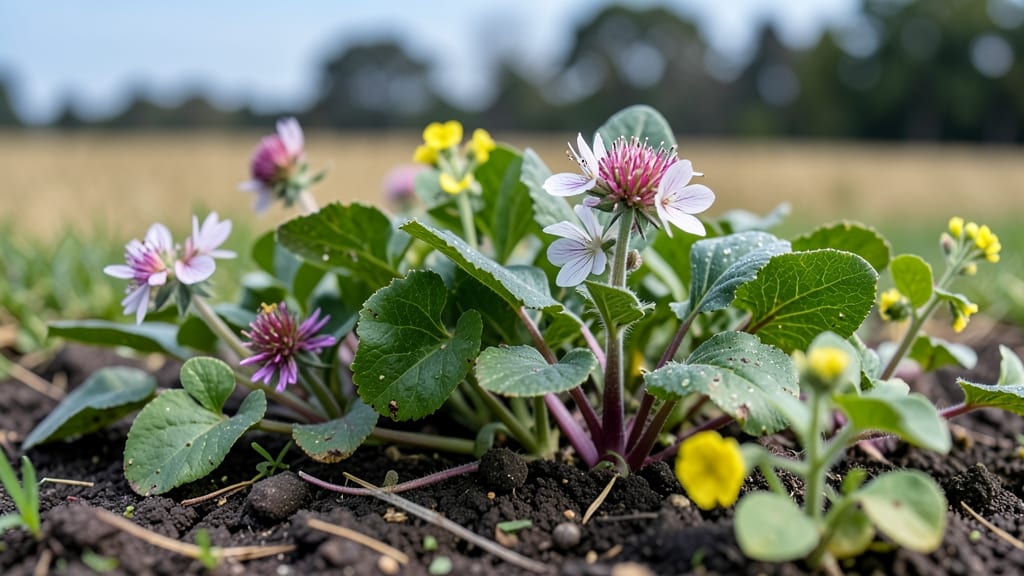
Planting your 🌾 deer food plots in Kentucky at the wrong time could mean missed opportunities for thriving forage and happy whitetails. The difference between a struggling plot and one that attracts deer year-round often comes down to understanding Kentucky's unique climate and soil conditions.
I've spent years learning the best planting windows for Kentucky's 6a-7a zones, and the secrets don't stop at soil temperature. When you align your planting with the right moon phases and seasonal deer activity patterns, you're not just growing plants - you're creating a wildlife magnet.
Let me show you exactly when to plant for maximum growth and deer attraction, from early spring's March-April window to late summer's August-September opportunity. We'll cover soil prep, planting techniques, and maintenance tips that actually work in Kentucky's variable climate.
Whether you're a first-time plotter or a seasoned hunter, these insights will help you create food plots that deer can't resist - and keep coming back to. Let's get started with the timing that makes all the difference.
Optimal Kentucky planting windows by soil temperature for deer food plots
Timing your deer food plots in Kentucky isn't just about the calendar—it's about soil temperature. Most Kentucky regions (USDA Zones 6a-7a) see ideal germination when soil reaches 50°F for cool-season crops like clover and brassicas.
Warmer crops like chicory or sorghum thrive when soil hits 60-70°F, typically in late spring or early fall.
In Kentucky's Bluegrass Region, where winters are milder, you can start planting cool-season mixes as early as mid-March once soil warms. Meanwhile, the Cumberland Plateau often waits until late April due to colder soils.
Always check with a soil thermometer—it’s the best way to avoid planting too early and risking frost damage.
For spring planting, aim for March-April when soil temps stabilize above 50°F. This aligns with whitetail deer emerging from winter and their peak feeding periods in early summer. Fall planting (late August-September) should target 60°F+ soil to ensure strong root establishment before winter.
Regional microclimates matter! Western Kentucky (Pennyrile) often warms faster, allowing earlier planting, while eastern Kentucky may need to wait 2-3 weeks longer. Use local frost dates (average last frost: March 15) as a backup guide, but soil temperature is your true north.
Here’s a quick rule of thumb: Cool-season crops (like clover and turnips) need 40-50°F soil, while warm-season crops (like sorghum) prefer 60-70°F. Planting at the right temperature ensures faster germination and deer attraction.
One common mistake is planting cool-season crops too late in spring or warm-season crops too early. If soil temps dip below 50°F after planting, seedlings may rot. Use black plastic mulch in early spring to warm soil faster, especially in eastern Kentucky.
For fall planting, prioritize August-September to give plants time to establish roots before winter. This ensures lush regrowth in spring, which deer love during rut season. Avoid planting after October 1st—you risk weak growth before frost.
If you’re unsure about soil temps, use a seed germination guide for your specific mix. Most seed packets list optimal soil temperatures. For example, chicory (a deer favorite) needs 60°F+, while clover thrives at 50°F. Matching crops to temps ensures faster germination and better deer attraction.
Remember, Kentucky’s 180 frost-free days give you two prime planting windows: spring (March-April) and fall (August-September). Plan ahead—deer will thank you with more frequent visits to your plots!
Moon phase planting secrets to maximize deer food plot growth in Kentucky
Did you know that planting your Kentucky deer food plots during the right moon phases can boost germination rates by up to 30%? Many gardeners swear by lunar planting—especially for deer-friendly crops like clover, chicory, and brassicas.
The science behind it ties to the moon's gravitational pull affecting water absorption in seeds and soil moisture levels.
For root crops like turnips or radishes, aim to plant during the waxing gibbous phase (7 days before full moon). This phase encourages strong root development, which deer love to graze.
Meanwhile, leafy greens and broadleaf plants thrive when planted during the full moon, as the extra light promotes rapid foliage growth—perfect for attracting bucks.
Here’s a pro tip: Avoid planting during the waning crescent phase (last quarter moon). This period is traditionally considered "resting" for plants, and your seeds may struggle to establish properly. Instead, focus on the waxing crescent (new moon to first quarter) for optimal early growth.
Waxing Gibbous (Root Crops)
Plant turnips, radishes, carrots during this phase for deep, strong roots that deer love to dig up.
Full Moon (Leafy Greens)
Ideal for clover, chicory, brassicas—plants deer graze heavily on. The extra light boosts foliage growth.
Waxing Crescent (Early Growth)
Best for seedlings and fast-growing plots. The moon’s pull helps seeds absorb water quickly.
Avoid Waning Crescent
Skip planting during this phase—seeds may struggle to germinate due to lower soil moisture retention.
One common myth is that you must plant only during a full moon. While it’s a popular belief, the truth is more nuanced. The waxing phases (new moon to full moon) are generally better for planting because the moon’s gravity pulls water into the soil, helping seeds germinate faster.
For Kentucky’s humid climate, this is especially beneficial during dry spells.
To put this into practice, check a lunar planting calendar before seeding. For example, if you’re planting clover in late April, aim for the waxing gibbous phase around April 22nd (assuming a full moon on April 26th).
This timing aligns with Kentucky’s spring soil warming and deer’s increased foraging activity.
Pro tip: Keep a gardening journal to track which moon phases work best in your specific plot location. Factors like soil type (clay vs. loam) and microclimates (e.g., Bluegrass Region vs. Cumberland Plateau) can influence results. Over time, you’ll refine your timing for peak deer attraction.