
Plants
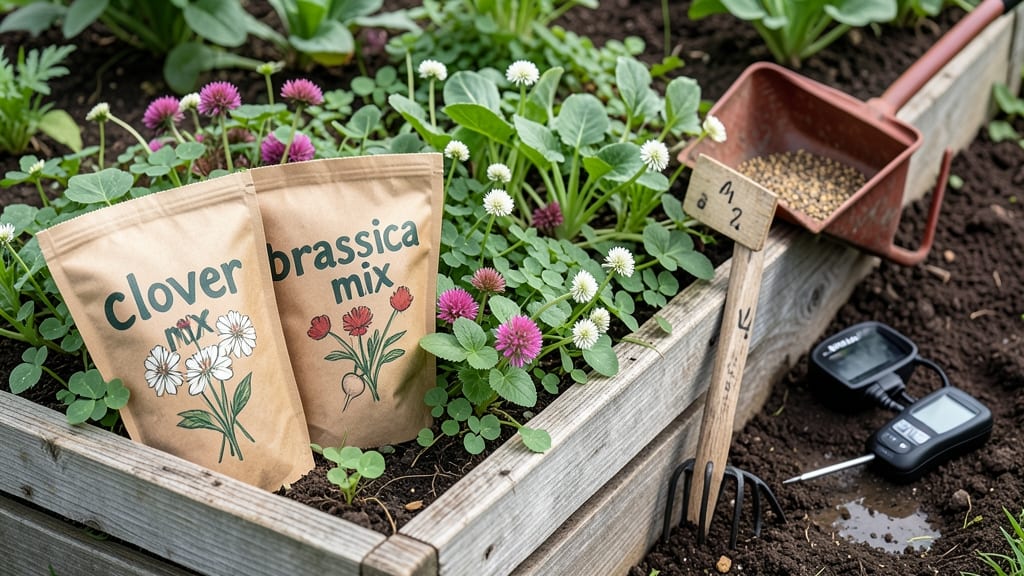
Texas food plot planting calendar by region: exact months for maximum deer impact
Planting a food plot in Texas isn’t a one-size-fits-all task—your region’s climate, frost dates, and deer activity dictate the perfect timing. East Texas, with its humid summers and mild winters, differs drastically from the arid High Plains.
To maximize deer impact, align your planting with local food scarcity periods and rut cycles, which vary by area.
For example, deer in East Texas rely heavily on spring green-up, while High Plains deer depend on late-summer forage. Missing these windows means empty fields instead of bustling feeding zones.
Let’s break down the exact months to plant for each Texas region, ensuring your food plot thrives when deer are most active.
🌱 Key Rule: Always plant 4-6 weeks before deer need food, whether that’s pre-rut or during winter scarcity. This ensures a lush, nutritious food source when they’re most desperate.
📅 Texas Food Plot Planting Calendar by Region
| Region | Best Planting Window | Key Crops | Deer Activity Peak |
|---|---|---|---|
| East Texas | Late February - Early April Late August - Early October |
Clover, Brassicas, Sorghum | Spring green-up, Fall rut |
| Central Texas | Mid-March - Late April Mid-September - Early November |
Chicory, Wheat, Rye | Late summer drought, Winter scarcity |
| West Texas | Early April - Mid-May Late September - Early November |
Sorghum, Millet, Teff | Post-summer heat, Early winter |
| High Plains | Mid-April - Late May Early October - Mid-November |
Crimson Clover, Winter Rye, Turnips | Fall rut, Late winter |
⚠️ Pro Tip: Use frost-free dates as your guide—plant 2-3 weeks before the last frost in spring and 4-6 weeks before the first frost in fall.
In East Texas, where humidity lingers and frosts are rare, you can plant clover as early as February for a spring explosion of deer-friendly forage. Pair this with brassicas in late August to extend the growing season into fall, when deer are gearing up for rut.
My go-to combo here is austrian winter pea + cereal rye—it’s fast, nutritious, and deer can’t resist it.
Meanwhile, Central Texas hunters should focus on chicory and wheat for late winter forage, as deer struggle to find food after summer droughts. Plant wheat in March and chicory in September to create a year-round food source.
The key? Test soil pH first—Central Texas soils often need lime to reach ideal 6.0-7.0 pH for optimal growth.
For West Texas and the High Plains, drought tolerance is critical. Opt for drought-resistant crops like teff and sorghum, planted in April-May to avoid summer’s brutal heat.
In the High Plains, crimson clover thrives when seeded in early October, providing late-winter forage when snow covers natural food sources.
Don’t forget to monitor local weather patterns—a late frost or unexpected rain can shift your timeline. Use USDA Plant Hardiness Zone maps (Zones 7-10 in Texas) as a baseline, but adjust based on microclimates in your specific area. For instance, hilltops often frost earlier than valleys.
Finally, align your planting with deer behavior. Deer in East Texas are most active during spring green-up (March-April) and fall rut (October-November), while High Plains deer rely on late summer (August-September) and winter (December-February) food sources.
Plant accordingly to ensure your food plot is ready when deer are hungry.
🌿 Action Step: Mark your calendar now—spring planting should be done by April 15 in most regions, and fall planting by October 31 to avoid winter kill.
Best food plot crops for Texas deer hunting: fast-growing vs. long-term options
When planting food plots in Texas, choosing the right crops can make all the difference in attracting deer year-round. Fast-growing crops like clover and brassicas provide quick nutrition, while long-term options such as chicory and sericea lespedeza offer sustained forage.
Each has unique benefits depending on your region and hunting goals.
For fast-growing options, brassicas (turnips, radishes, and rape) are my go-to because they sprout in as little as 7-10 days and thrive in cool weather.
These crops are perfect for early fall plantings in East Texas or late winter in Central Texas, aligning with deer's natural food scarcity periods.
On the other hand, long-term crops like chicory and clover establish deep root systems that provide food for months. Chicory, for example, can produce year-round forage in mild climates like South Texas, while clover thrives in Central Texas and offers nitrogen-fixing benefits to improve soil health over time.
| Crop Type | Growth Speed | Best Region | Planting Depth | Spacing |
|---|---|---|---|---|
| Brassicas | 7-10 days | East/Central TX | 1/4 inch | 6-8 inches apart |
| Clover | 30-45 days | Central/West TX | 1/8 inch | 10-12 inches apart |
| Chicory | 60-90 days | South/High Plains | 1/2 inch | 12-18 inches apart |
| Sericea Lespedeza | 45-60 days | West/High Plains | 1/4 inch | 12-15 inches apart |
For drought-prone areas like West Texas, I recommend sericea lespedeza because it tolerates low moisture and provides late-season forage when other plants struggle. Plant it in late summer to establish roots before winter, ensuring it's ready to support deer during spring and early fall.
When planting, always follow seed package instructions for depth and spacing. Overcrowding can lead to poor growth, while too much space may leave gaps that deer won't notice.
For example, brassicas need 6-8 inches of space to avoid competition, while chicory can handle 12-18 inches for better airflow and root development.
Mixing fast-growing and long-term crops in the same plot creates a year-round food source for deer. Start with brassicas in fall, followed by clover in early spring, and finish with chicory or lespedeza for summer and fall forage.
This strategy ensures deer have consistent nutrition regardless of the season.