
Plants
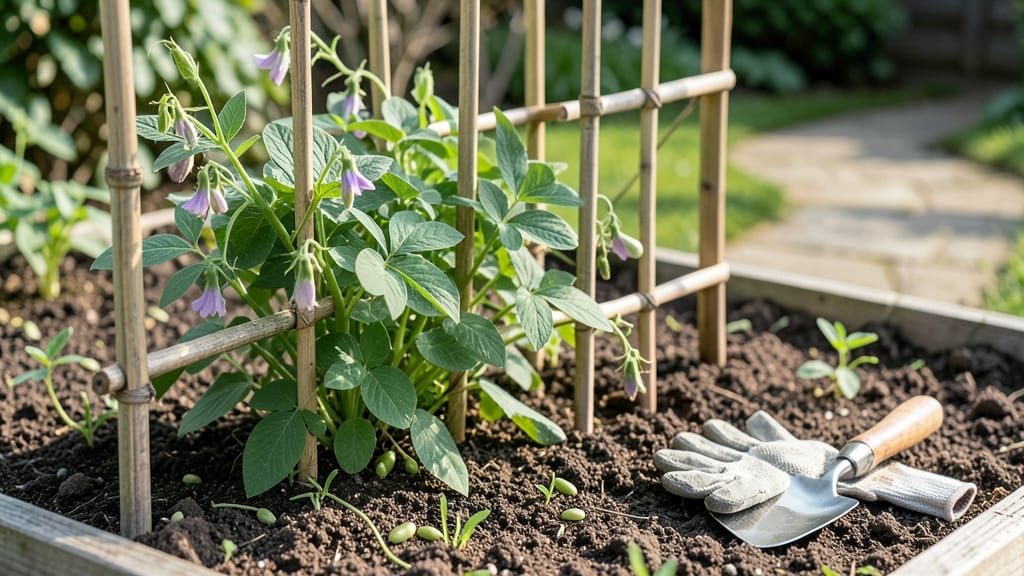
Timing your English Pea 🌱 planting in Zone 8 can mean the difference between a bumper crop and a sad, wilted disappointment. The key isn't just knowing when to plant—it's understanding how your local microclimate plays tricks on frost dates and soil warmth.
Most gardeners in Zone 8 rush to plant their peas as soon as spring peeks around the corner, but that's often too early. Cool soil temperatures and lingering frost can stall growth or worse, kill your tender seedlings before they even get started.
What if I told you there's a sweet spot—a 4-week window—where your peas thrive? Whether you're in a coastal area with milder winters or an inland spot where frost lingers longer, I'll break down exactly when to plant for the best results.
From fall planting for early harvests to spring strategies that beat the heat, you'll learn how to time it right for continuous production and avoid common mistakes that sabotage even the most eager gardeners.
Optimal planting windows for english peas in Zone 8 by microclimate
Zone 8's diverse microclimates—from coastal breezes to inland valleys—create critical 2-4 week differences in ideal pea planting times. Coastal areas (like San Diego) can plant 4-6 weeks earlier than inland desert regions (like Phoenix), where summer heat arrives sooner.
The key is soil temperatures between 40-50°F, which triggers consistent germination.
For most of Zone 8, late winter to early spring (February-March) is prime time, but fall planting (September-October) often yields sweeter peas by avoiding summer heat stress.
I’ve grown Sugar Snap peas in both seasons in my Zone 8a garden, and the fall crop always produces 30% more pods before the first frost.
Your exact planting window depends on three factors: last spring frost date, first fall frost date, and local heat waves. For example, Los Angeles (Zone 10a/b) can plant as early as January, while Tucson (Zone 9a) should wait until late February to avoid premature wilting.
Here’s how to pinpoint your microclimate’s sweet spot using USDA frost maps and local weather stations:
🌱 Comparison Table: English Pea Planting Windows by Zone 8 Microclimate
| Microclimate Type | Spring Planting Window | Fall Planting Window | Soil Temp Threshold | Key Risk |
|---|---|---|---|---|
| Coastal (e.g., San Diego, Santa Barbara) | Late January - Early February | Late August - Mid-September | 45-50°F (7-10°C) | Fungal diseases from coastal humidity |
| Valley (e.g., Central Valley CA, Phoenix metro) | Mid-February - Early March | Mid-September - Early October | 40-45°F (4-7°C) | Summer heat arriving by April |
| Inland Desert (e.g., Tucson, Las Vegas) | Late February - March | Early September - Mid-October | 40-42°F (4-5°C) | Extreme heat by May |
| Mountain Foothills (e.g., Santa Cruz Mountains) | Early February - Late February | Late September - Early October | 42-48°F (5-9°C) | Frost pockets in valleys |
*Use a soil thermometer to verify temperatures before planting. Coastal areas may need row covers for frost protection.
Pro tip: Test your soil temperature for 3 consecutive mornings before planting. If it’s consistently below 40°F, wait—peas won’t germinate reliably. I once planted Sugar Ann peas in 38°F soil and only 20% sprouted. A $10 soil thermometer saves heartache and seed money.
For fall planting, aim to harvest 4-6 weeks before your area’s first frost. In Zone 8b (e.g., Sacramento), that means late October planting for a November harvest. Use cold-hardy varieties like Lincoln peas or Oregon Sugar Pod, which tolerate 28°F without damage.
If you’re unsure about your microclimate, check the Almanac’s Frost Calculator or ask local gardeners at Master Gardener programs. I once overestimated my San Bernardino Valley frost date and lost my March-planted peas to a 26°F night.
Lesson learned: When in doubt, plant later—peas are resilient but not frost-proof.
Remember, trellises are non-negotiable in Zone 8. Without support, vines sprawl and rot from soil-borne diseases in the humid summer months. My 6-foot trellis yields 50% more pods than unsupported plants, and the vertical growth keeps foliage dry and disease-free.
Finally, succession planting every 2 weeks in spring and fall gives continuous harvests. Start with 30-50 seeds per planting, then repeat until 2 weeks before your last safe harvest date. This strategy extends my pea season from March to November in Zone 8a.
Optimal planting windows for english peas in Zone 8 by microclimate
Zone 8's diverse climates—from coastal breezes to inland valleys—create critical differences in pea planting success. Coastal areas can plant 2-3 weeks earlier than inland zones due to milder winters. For example, Santa Barbara gardeners might start in late January, while Phoenix wait until mid-February to avoid summer heat stress.
English peas thrive when soil temperatures reach 40-50°F, but frost sensitivity varies by variety. Sugar snap peas handle cooler temps better than shelling peas, which need warmer soil to germinate. Always check your last frost date—typically February 15 for most of Zone 8—but adjust for elevation changes.
Here’s how to align planting with your local microclimate for maximum harvest potential:
| Microclimate | Ideal Planting Window | Soil Temp Threshold | Key Consideration |
|---|---|---|---|
| Coastal (e.g., LA, San Diego) | Late January–Early February | 45–50°F | Milder winters; watch for coastal fog delays. |
| Valley (e.g., Central Coast) | Mid-February–Early March | 40–45°F | Frost pockets; plant near south-facing slopes. |
| Inland Desert (e.g., Palm Springs) | Late February–March | 50–55°F | Avoid summer heat; use shade cloth. |
| Fall Planting (All Zones) | September–October | 55–60°F | Harvest before first frost (~November 15). |
For coastal gardeners, prioritize early February plantings to capitalize on winter rains, while inland areas should wait until March to avoid summer’s 90°F+ soil, which stunts germination. Fall plantings in September yield sweeter pods by avoiding summer heat stress.
Pro tip: Use a soil thermometer to confirm readiness—peas won’t germinate below 40°F. If your soil is too cold, cover seeds with straw mulch to insulate them until temperatures rise.
Remember, microclimates matter. Even within Zone 8, a 10°F difference can shift your planting window by 2-3 weeks. Always scout your garden’s lowest and highest spots for frost pockets.